WHAT IS A FOREST WORTH?

WHAT IS A FOREST WORTH?

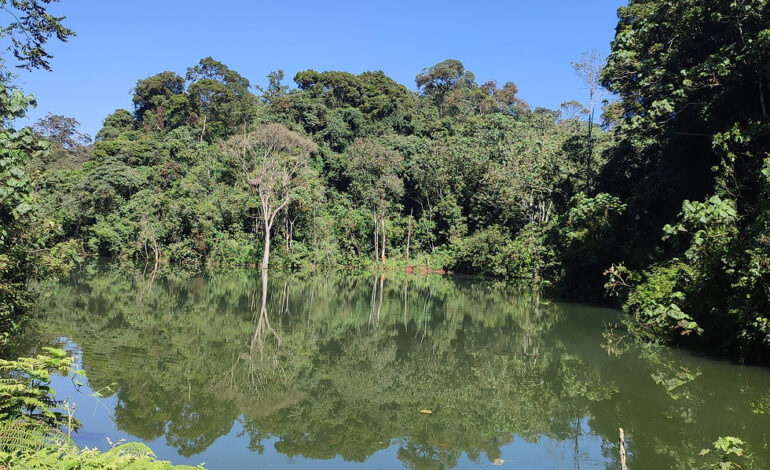
Njoki Kangethe  A tree has a price. A mature tree can be sold for timber. Its wood can become furniture, doors, flooring, paper or construction material. A plantation can be valued according to how much timber it is expected to produce and when that timber can be harvested. There are markets, invoices and receipts for […]

Read More
 CAN PLANTING TREES REPLACE A FOREST?

CAN PLANTING TREES REPLACE A FOREST?

Njoki Kangethe  There is something deeply satisfying about planting a tree. You dig a hole, lower a seedling into the soil, cover its roots and water it. It is a small, tangible act, and perhaps that is why tree planting has become such a powerful symbol of environmental action. It gives us something to do […]

Read More
 THE PEOPLE WHO LIVE IN THE FOREST

THE PEOPLE WHO LIVE IN THE FOREST

Njoki Kangethe  When we talk about protecting forests, the conversation can become strangely abstract. We talk about hectares restored, tree cover targets, carbon stored and biodiversity protected. We talk about illegal logging and charcoal burning, licences and moratoriums, water towers and climate change. All of these things matter, but somewhere inside the statistics are people […]

Read More
 WHO OWNS THE FOREST?

WHO OWNS THE FOREST?

Njoki Kangethe  A forest can look like a single thing from a distance. A green mass on the side of a mountain, perhaps, stretching into the horizon. But get closer and the question of who owns it becomes surprisingly complicated. There may be government officials responsible for its protection, communities whose lives have been intertwined […]

Read More
 THE FOREST IS MORE THAN TREES

THE FOREST IS MORE THAN TREES

Njoki Kangethe  When we talk about forests, we tend to count trees. We talk about hectares of forest cover, numbers of seedlings planted, tonnes of timber harvested and the percentage of land covered by trees. These measurements are useful, particularly in a country like Kenya where increasing forest cover has become an important national target. […]

Read More
 WHEN THE TREES COME DOWN: KENYA’S COMPLICATED RELATIONSHIP WITH ITS FORESTS

WHEN THE TREES COME DOWN: KENYA’S COMPLICATED RELATIONSHIP WITH ITS FORESTS

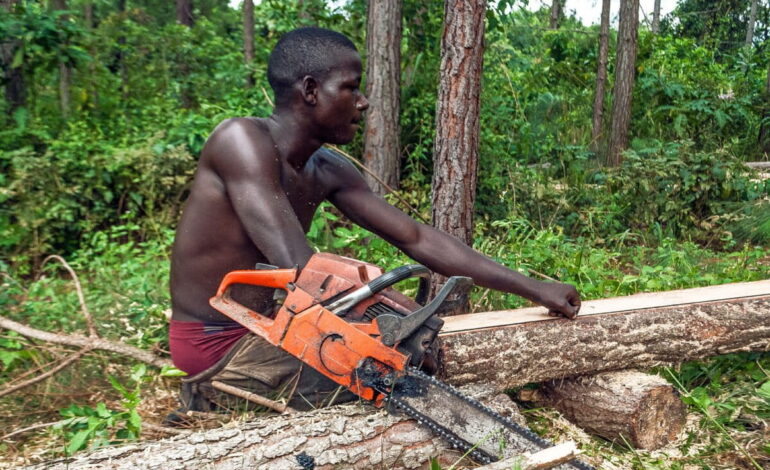
Njoki Kangethe  Walk into almost any Kenyan hardware shop, timber yard or construction site and you will find evidence of how dependent the country is on wood. Timber becomes doors and windows, furniture and roofing, school desks and electricity poles. It supports sawmills, carpenters, transporters, traders and thousands of households whose livelihoods are connected, directly […]

Read More
 WHEN THE MILK RUNS DRY: WHAT KENYA’S DAIRY SHORTAGE REVEALS ABOUT FOOD SECURITY 

WHEN THE MILK RUNS DRY: WHAT KENYA’S DAIRY SHORTAGE REVEALS ABOUT FOOD SECURITY 

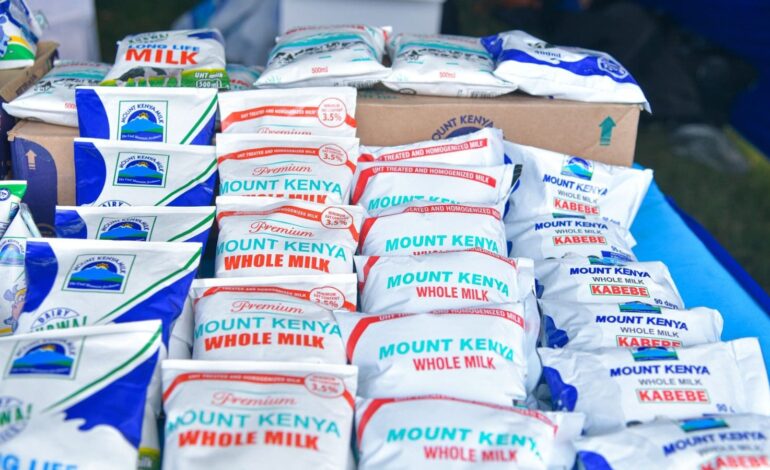
Njoki Kangethe  For many Kenyans, the shortage became real in a surprisingly ordinary place: the supermarket milk aisle. Packets that are usually so familiar that shoppers barely notice them began disappearing from shelves. Some supermarkets started limiting how much customers could buy, while others struggled to restock popular brands. In parts of the country, the […]

Read More
 FEEDING AFRICA – PART 6

FEEDING AFRICA – PART 6

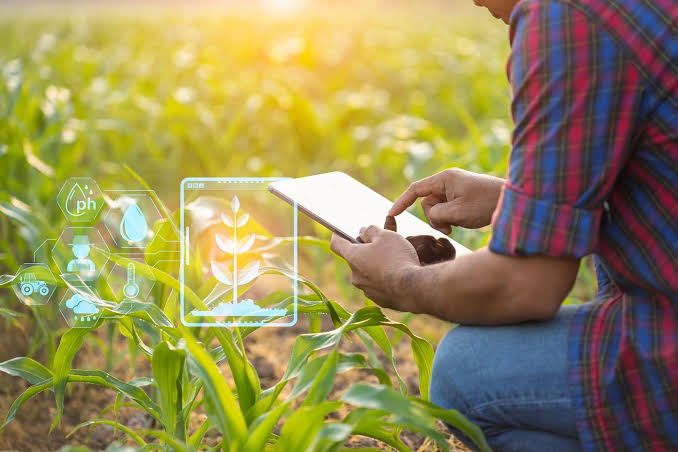
Njoki Kangethe  WHO OWNS THE DATA THAT FEEDS US? For centuries, knowing what was happening on a farm depended on being close enough to see it. A farmer could walk through a field and inspect the colour of the leaves, feel the moisture in the soil, look at the sky and make a judgement about […]

Read More
 FEEDING AFRICA- PART 4

FEEDING AFRICA- PART 4

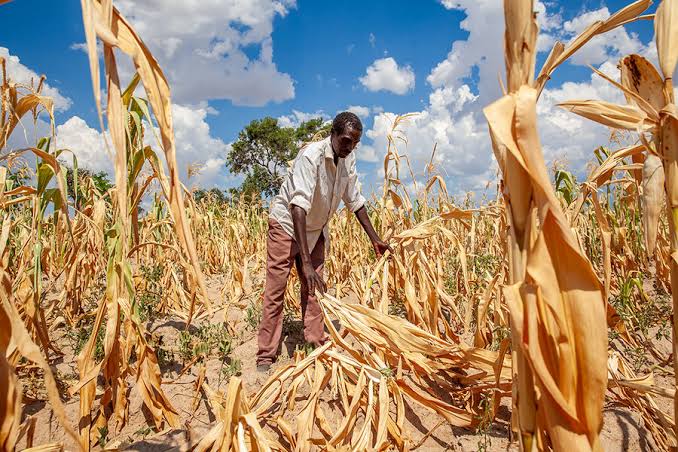
WHEN THE RAINS NO LONGER COME: FARMING ON THE FRONTLINES OF CLIMATE CHANGE Njoki Kangethe  For generations, African agriculture has followed a rhythm that was as familiar as the changing seasons. Farmers planted when the rains arrived, harvested when the crops matured and prepared their fields for the next cycle with a confidence born of […]

Read More