The People Building Africa’s Water Future

Njoki Kangethe
Throughout this series, we have followed water through many of its contradictions. We have seen how childhood experiences can reveal inequalities that seem ordinary until we look more closely. We have examined rapidly growing cities struggling to provide reliable water to expanding populations. We have explored informal economies that profit from scarcity and climate pressures that are making water systems increasingly unpredictable. It would be easy to conclude that Africa’s water story is one of crisis. Certainly, there is no shortage of evidence to support that view.

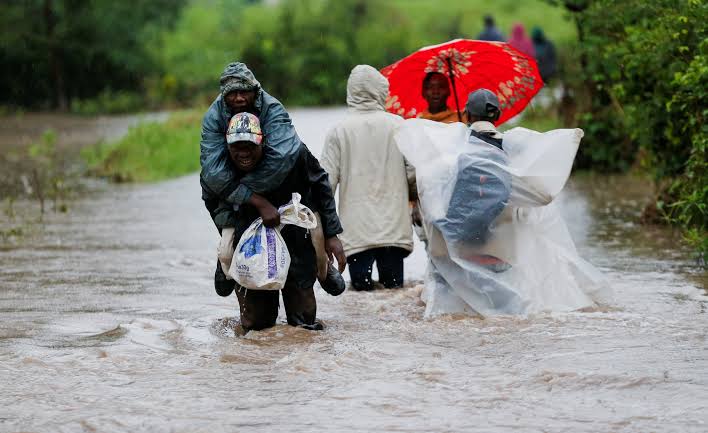
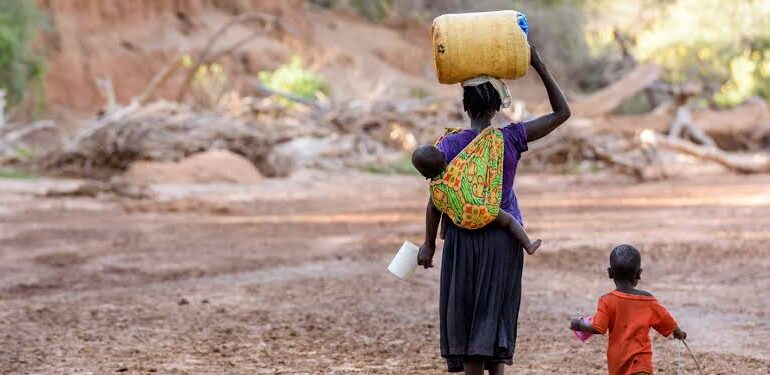
Across the continent, millions of people still lack access to safe drinking water. Cities lose enormous volumes of treated water through leaking infrastructure. Droughts and floods are becoming more frequent and more severe. In many places, public systems struggle to keep pace with population growth and urban expansion. Yet spending time around the water sector reveals another reality.

While headlines often focus on shortages and failures, a quieter story is unfolding beneath the surface. It is a story of engineers, entrepreneurs, community leaders, researchers, and ordinary citizens who have decided not to wait for perfect solutions. Instead, they are building them. Some of Africa’s most interesting innovations are emerging from necessity.

In Kenya, one of the most visible examples can be found in the rise of water ATMs. The concept is deceptively simple. Residents purchase water using prepaid cards or mobile money, collecting it from automated dispensing points located within their communities. The systems help reduce the distance people must travel for water while improving accountability and affordability.
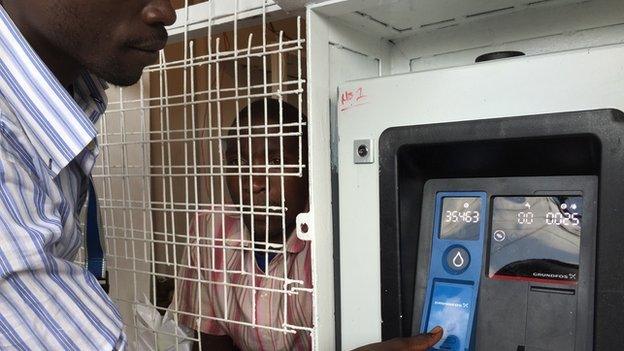
The technology itself is remarkable because of how effectively it responds to a very specific reality: millions of urban residents need reliable access to water long before large-scale infrastructure projects can reach them.

Across the continent, similar solutions are emerging from a shared understanding that Africa’s water challenges require both scale and creativity. In Rwanda, digital technologies are increasingly being used to monitor water systems and identify leaks before they become major losses. In South Africa, startups are developing smarter ways of tracking water consumption in response to recurring droughts and growing concerns about water security. Elsewhere, entrepreneurs are experimenting with low-cost purification systems, solar-powered pumping technologies, and community-managed distribution models.
These innovations differ in form, but they share a common philosophy. Rather than asking how Africa can replicate water systems developed elsewhere, they ask how solutions can be designed around African realities, and that distinction matters.
For decades, conversations about development often assumed that progress involved importing successful models from wealthier nations. Increasingly, however, some of the most promising ideas are emerging from people who understand the challenges firsthand because they live with them every day.Consider the growth of solar-powered boreholes across parts of East and West Africa. For many rural communities, access to groundwater is not the primary challenge.
The challenge is accessing it affordably and reliably. Solar pumping systems offer a way to reduce operating costs while bringing water closer to homes, schools, and health centres. In regions where electricity supply remains inconsistent, renewable energy is helping unlock water access in ways that were previously difficult or prohibitively expensive. The significance of such projects extends beyond water itself.
Reliable access to water influences education outcomes, health indicators, agricultural productivity, and economic opportunities. When women and children spend less time collecting water, they gain time for school, work, and other activities. A functioning borehole can alter the trajectory of an entire community.
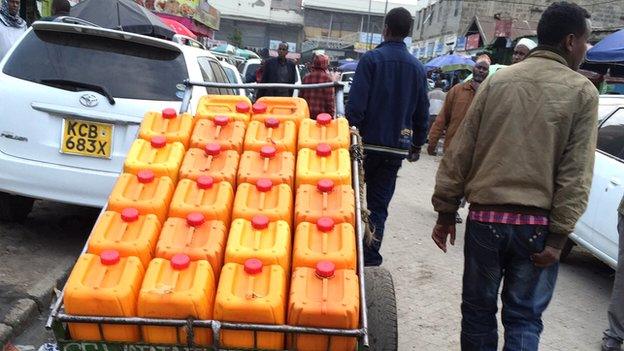
Innovation, in this sense, is about expanding possibilities, not merely about technology, and some of the most compelling examples of this expansion are emerging from local communities rather than corporate boardrooms.
Across Africa, community-led water projects have demonstrated that effective solutions do not always require sophisticated technology. In some areas, residents have organized to protect watersheds, rehabilitate springs, maintain communal water infrastructure, and establish systems for equitable management. These initiatives often receive far less attention than major engineering projects, yet their impact can be profound. The lesson is worth noting.
Water challenges are frequently discussed as technical problems requiring technical solutions. While engineering undoubtedly matters, governance, trust, and collective action matter just as much. A perfectly designed water system will still fail if institutions cannot maintain it. Conversely, communities with limited resources can often achieve remarkable results when they are empowered to manage their own water resources effectively.
This intersection between innovation and governance may ultimately determine the future of water security across the continent.
Technology can improve efficiency. It can reduce losses. It can lower costs and expand access. But technology alone cannot decide who receives water, who pays for it, or whose needs are prioritized. Those remain political and social questions. Perhaps this is why the most promising solutions tend to combine innovation with a deeper understanding of people.
They recognize that water is more than just a commodity flowing through pipes. It is a public good, an economic resource, and a human necessity all at once.
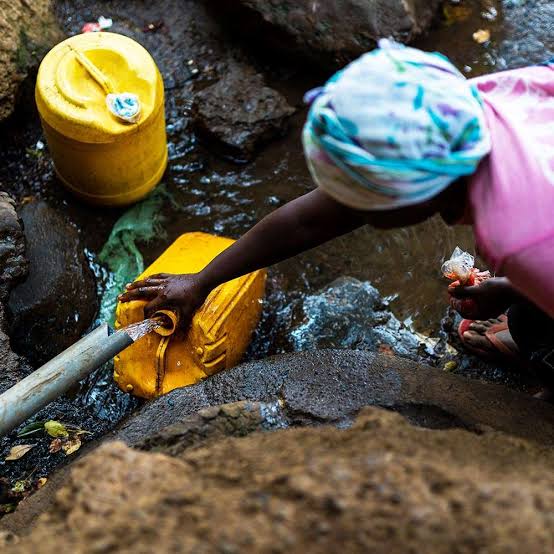
The entrepreneurs building water businesses understand this. The engineers designing new systems understand it. The women managing community water points understand it. The researchers studying urban water insecurity understand it. And increasingly, young Africans understand it too.
Across universities, startups, NGOs, and local governments, a new generation is approaching water not merely as an environmental challenge but as an opportunity for innovation, enterprise, and social impact. Some are developing technology. Others are improving governance. Many are doing both.
What unites them is the recognition that the future cannot be built on crisis management alone. Africa’s population is projected to continue growing rapidly over the coming decades. Urbanization will accelerate. Climate pressures will intensify. Demand for water will rise.
Meeting these challenges will require more than repairing aging infrastructure or responding to emergencies after they occur. It will require imagination, that is, the ability to envision water systems that are more resilient, more inclusive, and better suited to the realities of the twenty-first century.
That work is already underway, certainly, not everywhere nor without obstacles, but it is happening, and that’s encouraging.
RELATED: