Faith Nyasuguta

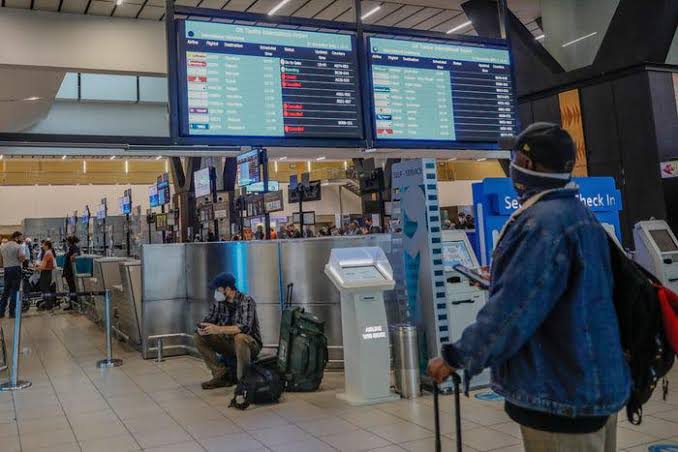
South Africa has officially scrapped paper customs declarations, replacing them with a mandatory digital system that every international traveller must complete before entering or leaving the country. The move, which took effect on July 1, marks one of the country’s biggest border management overhauls in years and comes at a time when immigration enforcement has become one of the nation’s most heated political issues.
Under the new regulations, every traveller crossing South Africa’s borders by air, land, sea, or rail must submit an online travel declaration no more than 24 hours before departure.

The requirement applies to South African citizens, permanent residents, and foreign nationals alike. Parents or legal guardians may complete the declaration on behalf of children or individuals unable to do so themselves.

The declarations are processed through the South African Traveller Management System (SATMS), a digital platform developed by the South African Revenue Service (SARS). Travellers can complete the process through the SARS website, the SATMS mobile application, or designated self-service kiosks installed at selected ports of entry.

Officials say the new platform is designed to eliminate paperwork while giving authorities advance access to customs information before travellers even arrive at the border.
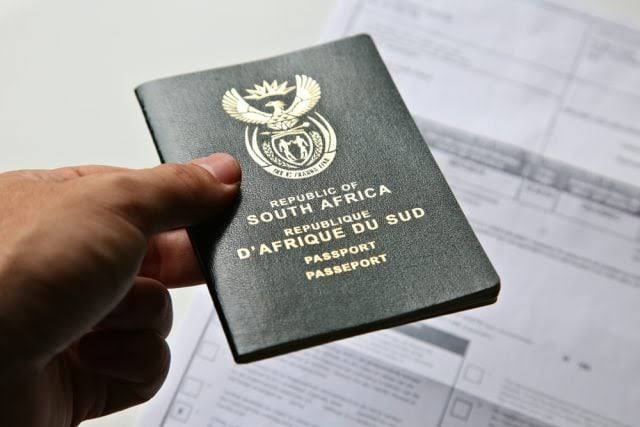
The declaration requires passengers to provide passport and travel details, along with information about goods, cash, or bearer negotiable instruments exceeding legal thresholds. Business travellers and individuals transporting commercial goods may be required to submit additional information.

Passengers merely transiting through South Africa’s airports or seaports without leaving designated transit areas are exempt from the new requirement.
According to SARS, the digital system is intended to speed up border processing for compliant travellers while allowing customs officials to identify potential risks before passengers reach immigration checkpoints.
Authorities argue that replacing paper forms with advanced electronic declarations will improve customs efficiency, strengthen revenue collection, reduce fraud, and enable officers to focus attention on higher-risk travellers and cargo. But the timing of the rollout has drawn considerable attention.
The new system became mandatory just one day after nationwide demonstrations demanding tougher action against undocumented migration swept across South Africa.
Thousands of protesters marched through major cities calling for stricter immigration enforcement, tighter border controls, and increased deportations of undocumented migrants. The demonstrations prompted heavy deployments of police and security forces as authorities sought to prevent violence and maintain public order.
Although SARS insists the online declaration is strictly a customs tool—not an immigration control measure—it forms part of the government’s broader strategy to modernize border management using digital technology.
The rollout also reflects a growing global shift toward electronic border systems that allow governments to screen travellers before arrival rather than relying solely on inspections at airports and border posts.
For travellers, however, the message is simple: failing to complete the declaration could prove costly.
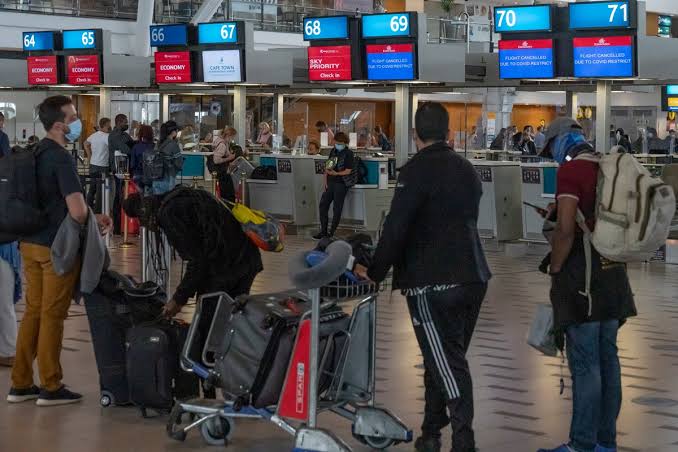
Anyone who arrives without submitting the required information—or deliberately provides false declarations—may face delays, financial penalties, or even the detention and forfeiture of undeclared goods under South Africa’s customs legislation.
Current customs regulations still allow travellers to import personal goods worth up to R5,000 without paying duty or value-added tax. Additional goods valued up to R20,000 may attract customs duties and VAT, while imports exceeding R25,000 are subject to standard taxes and customs charges.
Government officials believe the digital declaration system will make border crossings smoother for honest travellers while strengthening the state’s ability to detect smuggling, customs fraud, and undeclared goods.
Whether viewed as a long-overdue modernization effort or another layer of border scrutiny, one thing is now clear: anyone travelling into or out of South Africa must go digital before they go anywhere.
Moving forward, completing an online declaration is no longer optional—it’s the new gateway to crossing South Africa’s borders.
RELATED: