Kimberly Mutandiro – Johannesburg

Amid ongoing xenophobic tensions in South Africa, anti-migrant groups such as March and March and Operation Dudula have been attacking fellow South Africans.
A tribal group that has been mostly affected is Tsonga-speaking South Africans, who have historically been marginalized due to tribal and colonial reasons.

Yes, Vatsonga Machangani, well known as Tsonga-Shangaan, is an indigenous tribe in South Africa. They speak the Xitshonga language, which is one of the 11 official languages in South Africa.

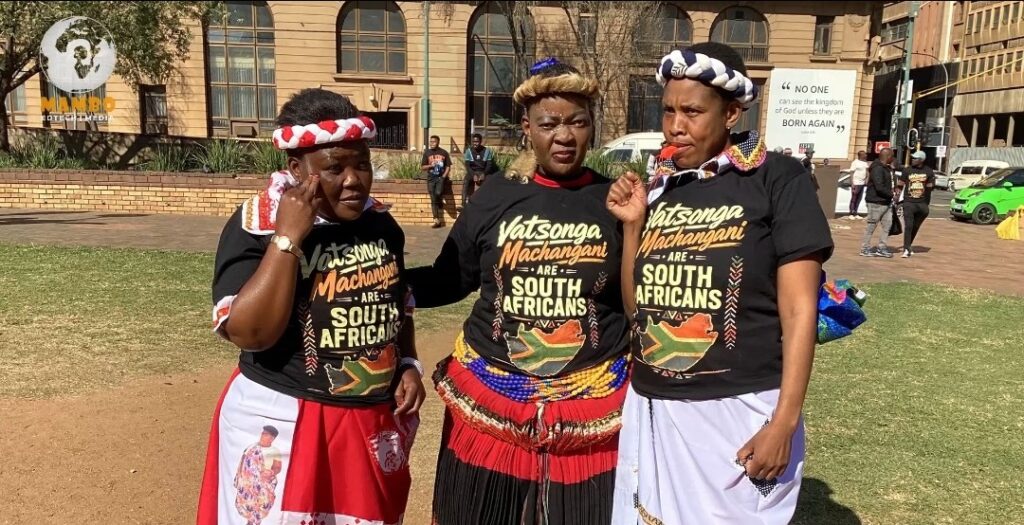
Image credit: /Kimberly Mutandiro – MAMBO/
Vatsonga Machangani people originate from Limpopo Province, in the northern part of South Africa, in areas such as Bushbackridge and Dzanini. The tribe also exists mostly in Mozambique and, to a lesser extent, in Swaziland and Zimbabwe. For this reason, Tsonga-speaking South Africans are often mistreated and attacked during the country’s sporadic xenophobic tensions.

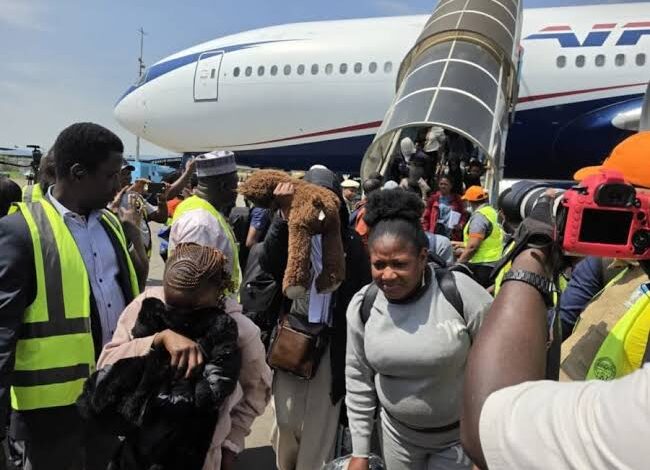
Since the beginning of March and March anti-migrant protests in April, Vatsonga Machangani people have been caught up in a crossfire. Many are being labeled as foreigners by anti-migrant vigilantes, forced to produce identity documents to prove themselves as South Africans, and many are being driven away from their homes.
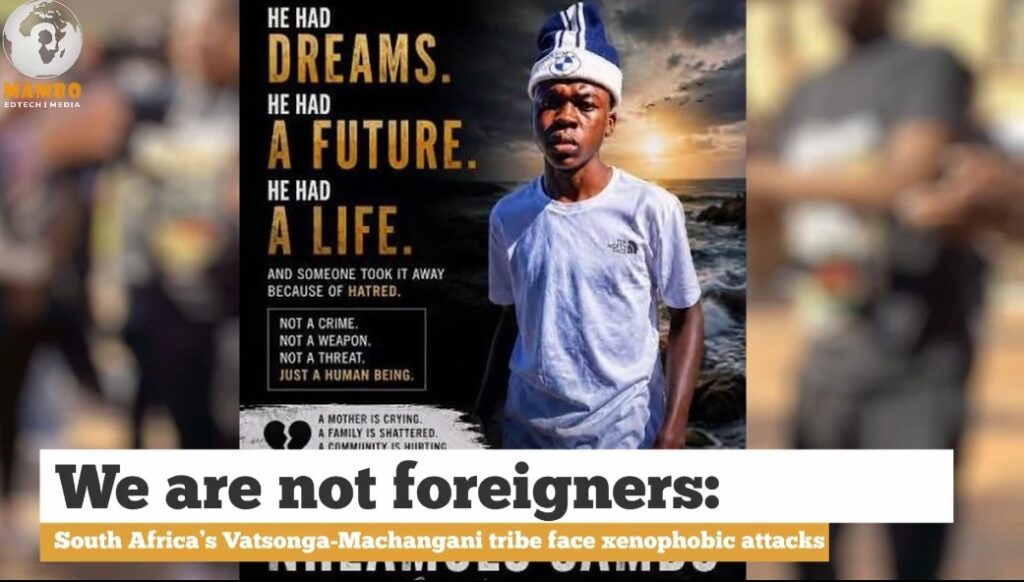
On 31 May, the story of Nhlamulo Sambo made headlines. The 19-year-old young man of Tsonga origin was reportedly stabbed to death during xenophobic tensions in Mossel Bay, in the Western Cape. He was allegedly mistaken for a foreign national. More attacks on Tsonga-speaking South Africans by vigilante groups were reported in Mossel Bay; houses were burnt down, and many were displaced.

Attacks against Vatsonga Machangani people continue to rise. March and March has even come up with the slogan “Abagambe MaShangaan,” meaning the Shangaan people must go.
The question is which MaShangaan is March and March targeting? Surely not fellow South Africans who are Tsonga-speaking. Many Tsonga-Shangaan people from Mozambique have also faced xenophobic attacks. Nine deaths have been reported, and hundreds have returned to Mozambique.
Experts have argued that these attacks on not only the Tsonga-Shangaan people but also African migrants in South Africa at large are unjustified and a mockery of Africa’s quest for unity.
South Africa’s Vatsonga Machangani tribe are tired of being marginalized and treated as the black sheep of the country, especially during ongoing xenophobic tensions.
Tired of facing human rights violations, hundreds of Vatsonga Machangani people from across South Africa staged a peaceful march to the South African Human Rights Commission (SAHRC) on June 26th.
They called on the commission to act against a growing crisis in the country where Vatsonga Machangani people are being subjected to discrimination, harassment, violence, and intimidation due to their language, identity, and cultural expression.The marchers called for urgent protection of the Vatsonga Machangani community across South Africa.
Gathers said they have been attacked by vigilante groups for speaking the Xitsonga language in public and for putting on their cultural dress. Some have been condemned for having darker skin. “Life has become difficult,” they said.
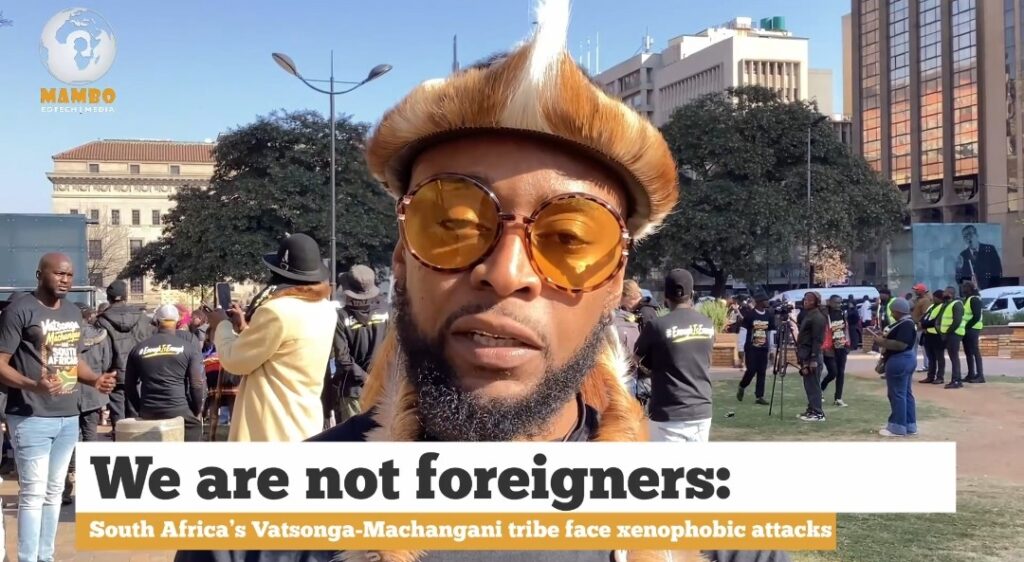
The protesters also demanded the criminalization of tribalism and vigilantism and for perpetrators to be given harsh sentences. Because the Xitsonga language is not expressed in the national anthem, unlike other South African languages, the Vatsonga Machangani people asked for this to be addressed.
March and March supporters have told them to go back to their home country. Ironically, the home of Vatsonga Machangani is South Africa.
The SAHRC was called on to act with urgency and decisiveness to uphold the constitution and protect vulnerable and marginalized communities to restore justice, dignity, and stop the victimization of the Tsonga-speaking South African people as xenophobic tensions continue to rise.
RELATED
GOODBYE SOUTH AFRICA: AFRICAN MIGRANTS RETURN HOME AS ANTI-MIGRANT HOSTILITIES RISE