THE FOOD THAT NEVER GETS EATEN: AFRICA’S INVISIBLE HARVEST

Njoki Kangethe
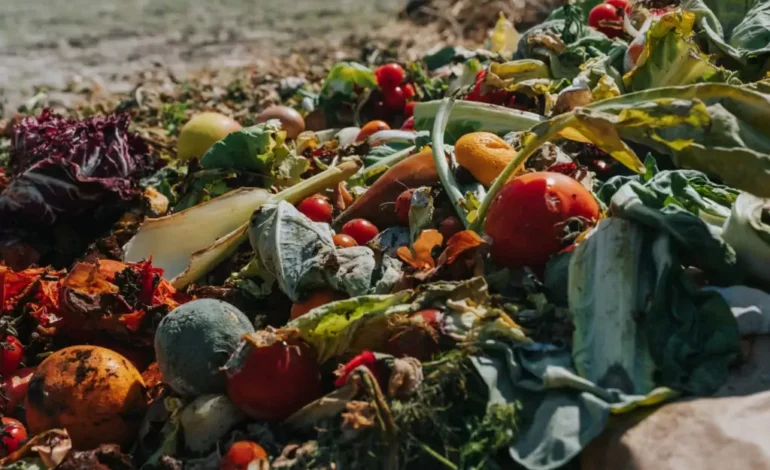
Let me get inside your brain a little and have you imagine this: the tomatoes were perfect. Their skins were firm, their colour a brilliant red that signalled they were ready for market, and after months of preparing the land, planting, weeding and praying for rain, the farmer finally had the harvest he had hoped for. But by the third day, the edges had begun to soften. By the fifth, fruit flies had found them. A week later, much of the crop lay in a pile by the roadside, slowly collapsing into the earth from which it had grown.

Across Africa, this scene plays out thousands of times every day. Mangoes ripen faster than they can be transported. Milk spoils before reaching processing plants. Fish caught at dawn are discarded by sunset because there is no ice to preserve them. Maize is destroyed by mould in poorly ventilated storage facilities. Bananas bruise on rough roads long before they arrive at urban markets. These losses rarely make the news because they happen quietly, one farm at a time, one truckload at a time, until they add up to one of the greatest hidden challenges facing Africa’s food systems.

In our last article, we explored one of the continent’s greatest paradoxes: Africa helps feed the world, yet millions of Africans still struggle to feed themselves. The instinctive response is often to grow more food. Yet a growing body of evidence suggests that increasing production alone will not solve the problem. Before thinking about expanding farmland or boosting yields, Africa must first address a simpler question: how much of the food it already produces actually reaches people’s plates?

The answer is sobering.
According to the Food and Agriculture Organization (FAO), between 30 and 50 per cent of food produced in sub-Saharan Africa is lost before it reaches consumers, depending on the commodity and country. Fruits, vegetables, dairy products and fish are particularly vulnerable because they perish quickly without refrigeration or processing. Cereals may last longer, but they too are susceptible to pests, moisture and inadequate storage. Unlike food waste, which usually occurs in supermarkets, restaurants and households, food loss happens much earlier in the supply chain. It occurs during harvesting, handling, storage, transportation and processing, often before consumers ever have the chance to buy the food.

The distinction matters because it reveals where Africa’s greatest opportunity lies. In many high-income countries, discussions about food waste focus on consumers throwing away edible meals. In much of Africa, however, the crisis begins long before the shopping basket. Farmers are discarding food because the systems needed to preserve and move it simply do not exist at the scale required, not because they have too much food.
Imagine harvesting tomatoes in Kenya’s Turkana, mangoes in Kenya’s Makueni or pineapples in central Ghana. Fresh produce begins deteriorating almost immediately after it is picked. Every passing hour reduces its quality and market value. Without access to cold storage, farmers race against time, hoping buyers arrive before the produce spoils. Even when transport is available, poor road networks can turn what should be a two-hour journey into an all-day trip over rough terrain. By the time the produce reaches wholesale markets, much of it has already lost its freshness, forcing traders to lower prices or reject it altogether.
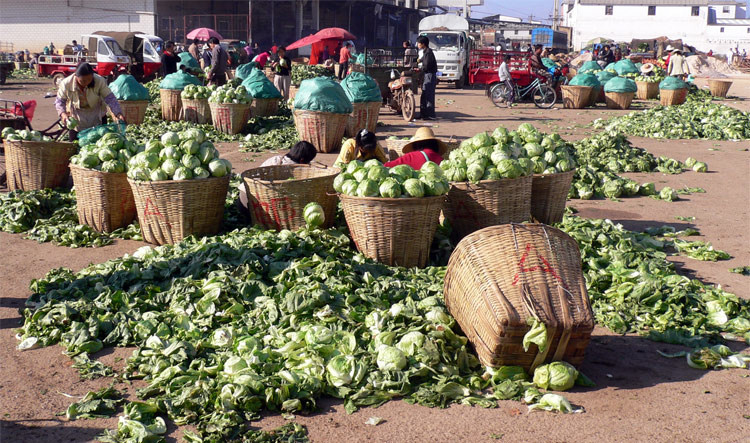
The consequences extend far beyond wasted food. Every crate of tomatoes that rots represents months of labour that will never be paid for. It represents seeds that were purchased, fertiliser that was applied, water that was pumped from rivers and aquifers, and countless hours spent tending crops under the hot African sun. When food is lost after harvest, it is not only the produce that disappears; the resources used to grow it vanish as well. Water, land, energy and human effort are effectively thrown away.
For smallholder farmers, who produce the majority of Africa’s food, these losses can be devastating. Many already operate on thin profit margins, with limited savings to cushion a poor season. Losing even a quarter of a harvest can mean the difference between sending children to school or keeping them at home, expanding a business or remaining trapped in subsistence farming. Ironically, the people who grow food are often among those most vulnerable to food insecurity themselves.
Consumers feel the effects too, although often in less obvious ways. When large volumes of food are lost before reaching markets, supply decreases and prices rise. Fresh fruits and vegetables become more expensive in cities, placing nutritious diets beyond the reach of low-income households. Governments respond by increasing food imports, spending valuable foreign exchange on commodities that could have been produced and distributed locally. The result is a food system that is costly, inefficient and increasingly vulnerable to global disruptions.
Yet perhaps the greatest tragedy is that these losses are largely preventable. Unlike droughts or floods, post-harvest losses are not acts of nature. They are symptoms of underinvestment in infrastructure and logistics. A farmer cannot build a cold chain alone. She cannot pave roads, establish processing plants or create regional distribution networks. Those are investments that require coordinated action from governments, private companies, development partners and financial institutions alike.
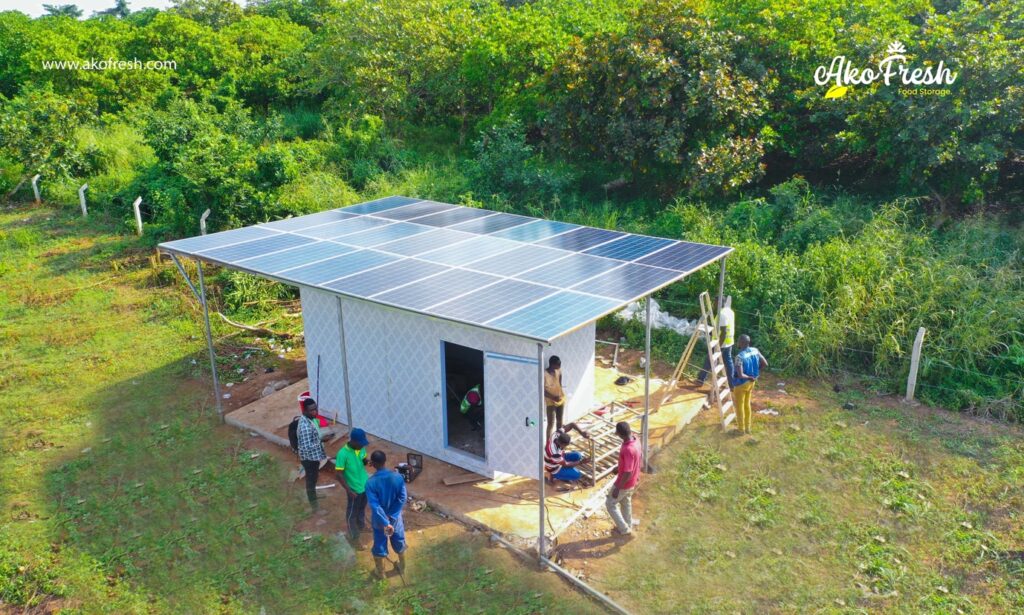
The encouraging news is that solutions already exist, and many of them are being pioneered on the continent itself. Across East and West Africa, entrepreneurs are developing solar-powered cold rooms that allow farmers to preserve fresh produce for days instead of hours. Mobile platforms are connecting growers directly to buyers, reducing the uncertainty of waiting for middlemen who may never arrive. Cooperatives are investing in community storage facilities that help smallholder farmers pool resources, while food processing companies are turning surplus fruit into juices, dried snacks and preserves instead of allowing it to rot in the field.
At the same time, governments and development partners are expanding rural road networks, strengthening warehouse systems and investing in logistics that make it easier for food to move from areas of surplus to areas where it is needed most. None of these interventions is particularly glamorous, but together they address one of the weakest links in Africa’s food system: what happens after the harvest.
These innovations also challenge a long-held assumption that Africa’s agricultural future depends solely on producing more. Increasing yields will always remain important, particularly as populations grow and climate change places greater pressure on food systems. But if nearly a third of what is already harvested never reaches consumers, then improving production without improving preservation simply increases the volume of food that is lost. It is a little like trying to fill a bucket riddled with holes. Pouring in more water may help for a while, but repairing the bucket is ultimately the more effective solution.
Food loss also deserves greater attention because it sits at the intersection of several global challenges. Reducing post-harvest losses improves food security without requiring additional farmland. It raises farmers’ incomes without asking them to cultivate more land. It reduces pressure on forests by making better use of existing harvests, while lowering greenhouse gas emissions associated with producing food that is never eaten.
As Africa looks towards feeding a population projected to exceed 2.5 billion people by 2050, conversations about food security must move beyond the farm gate. The continent’s farmers have repeatedly demonstrated their resilience, producing food despite unpredictable weather, fluctuating markets and limited resources. Their greatest challenge is often ensuring that what they grow survives the journey from field to fork. Every crate of vegetables that reaches a family instead of a landfill, every litre of milk that reaches a processor before spoiling represents income protected, resources conserved and hunger prevented.
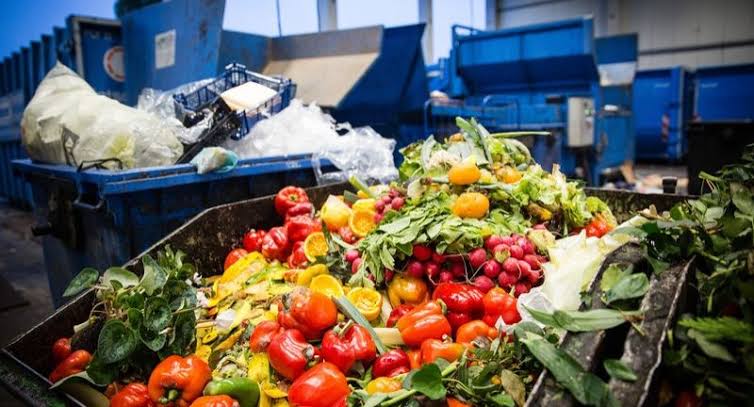
Perhaps, then, Africa’s invisible harvest should no longer remain invisible. Building a food-secure continent will require better seeds and higher yields, but it will also require roads that farmers can travel efficiently, warehouses that preserve harvests, cold chains that protect perishable foods and markets that reward those who produce them. Africa’s next agricultural breakthrough may come from finally ensuring that the food it already grows reaches the people whose lives depend on it.
RELATED: