Wayne Lumbasi
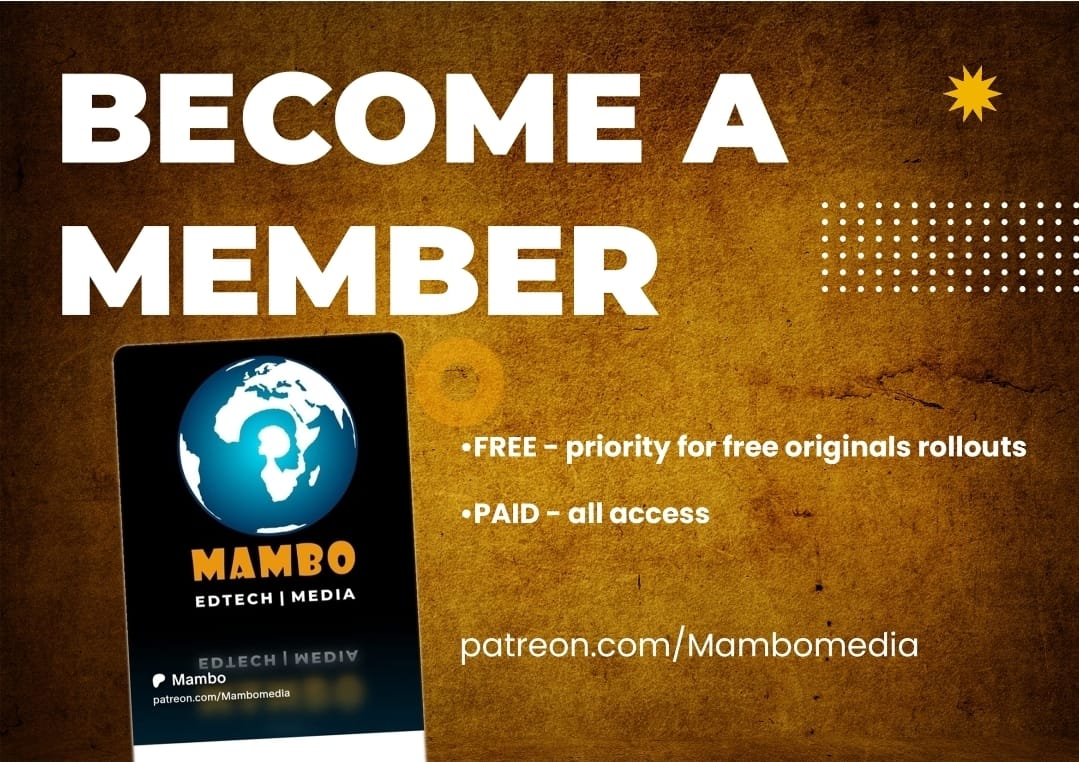
The International Monetary Fund’s Executive Board has officially completed its sixth and final review of Ghana’s $3 billion Extended Credit Facility arrangement, approving an immediate final disbursement of approximately $371 million. The decision marks the formal conclusion of a 39-month bailout package launched in May 2023 to rescue the West African nation from its worst economic crisis in a generation.
Ghana sought emergency support from the global lender in 2022 after soaring debt-servicing burdens, hyperinflation exceeding 50 percent, and severe currency devaluation forced the government into sovereign default. Over the course of the three-year program, Ghana executed an extensive restructuring of its public debt across domestic bondholders, bilateral partners, and commercial creditors, successfully pulling its debt distress risk rating back to moderate.

In its performance summary, the IMF described Ghana’s execution of the structural reforms as broadly satisfactory, noting that sustained fiscal discipline alongside favorable global commodity prices for gold and crude oil helped double international reserves and move the primary fiscal balance from a deep deficit into a surplus.

The Executive Board also granted Ghana a technical waiver regarding a minor breach of the central bank’s credit ceiling to public entities. Ghanaian finance officials confirmed that the temporary deviation was tied directly to operational cost-sharing mechanisms within the Bank of Ghana’s domestic gold-purchasing program.
With active financial disbursements now concluded, Ghana is moving into a new phase of engagement through a 36-month, non-financing Policy Coordination Instrument with the IMF. The non-borrowing policy framework will serve as a structural anchor for ongoing economic reforms, oversight of state-owned energy and cocoa enterprises, and domestic revenue mobilization, while aiming to reduce total public debt to 45 percent of GDP by 2034.
RELATED: