Faith Nyasuguta

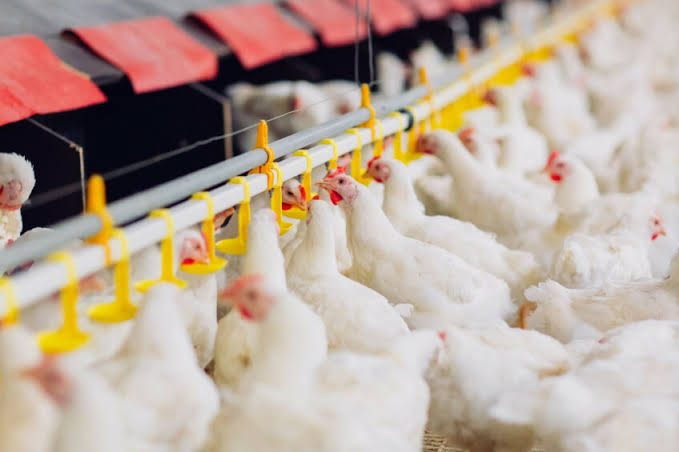
Zimbabwean authorities are investigating alarming allegations that some poultry farmers have been feeding antiretroviral (ARV) medicines—intended for people living with HIV—to chickens in a bid to reduce disease, speed up growth and maximise profits. The claims have reignited long-standing concerns over the misuse of life-saving medicines in the country’s livestock sector, with health experts warning that the practice could pose serious risks to both public health and food safety.
The allegations emerged from a recent investigation by the Southern Africa Accountability Journalism Project (SAAJP), which reported that some poultry farmers around Harare were illegally sourcing ARVs from the black market before mixing them into chicken feed. According to the investigation, some farmers believe the drugs help broilers grow faster and improve their resistance to common poultry diseases, allowing them to reach market weight more quickly and reduce production losses.

While the practice has shocked many consumers, it is not entirely new.

Zimbabwe has grappled with similar allegations for more than a decade. As far back as 2015, the National AIDS Council (NAC) warned poultry farmers against administering ARVs to chickens after reports suggested that some producers were using the drugs as illegal growth promoters. At the time, authorities struggled to gather enough evidence to prosecute offenders, but public health officials cautioned that the practice could undermine HIV treatment programmes and endanger consumers.

Fresh reports now suggest the problem may have resurfaced.
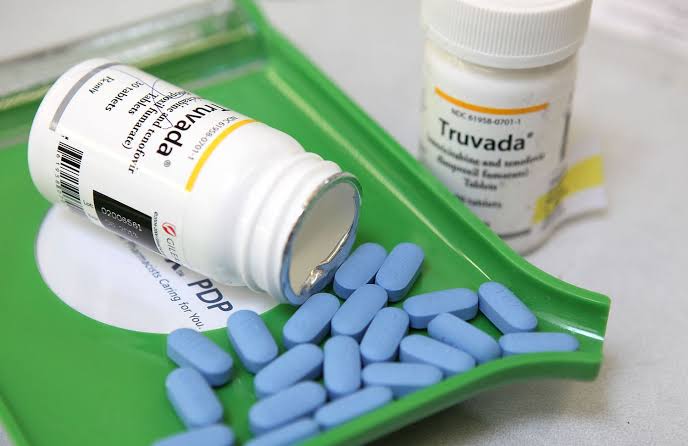
Scientists and veterinary experts say ARVs were never designed for animal production and have no approved role in commercial poultry farming. Instead, they warn that exposing animals to human medicines could contribute to drug resistance, contaminate food chains and compromise efforts to preserve the effectiveness of life-saving HIV treatment.
Medical researchers also fear that diverting ARVs from patients to livestock could worsen shortages for people who depend on the medicines every day. Zimbabwe is home to one of southern Africa’s largest HIV treatment programmes, with hundreds of thousands of people relying on consistent access to antiretroviral therapy.
Industry experts say the alleged misuse reflects mounting economic pressures facing small-scale poultry farmers.
Zimbabwe’s poultry sector has been squeezed by rising feed prices, expensive veterinary medicines and stiff competition in the broiler market. Under those conditions, some desperate producers reportedly resort to unconventional—and illegal—methods to improve productivity and cut costs.
The latest revelations have prompted renewed calls for stronger monitoring of both pharmaceutical supply chains and livestock production.
Veterinary authorities argue that improving farm biosecurity, vaccination programmes and access to affordable animal medicines would be a far safer way to reduce disease than turning to human medication. Agricultural experts have also urged the government to strengthen inspections of poultry farms and crack down on black-market pharmaceutical networks supplying restricted medicines.
The controversy extends beyond Zimbabwe.
Studies conducted in neighbouring Tanzania have documented reports of human-designated ARVs being misused in poultry and pig farming, with researchers warning that similar practices may be emerging elsewhere in East and Southern Africa. The research identified profit motives, easy access to medicines and misinformation among farmers as key drivers behind the misuse.
For consumers, however, the biggest concern remains confidence in the food they eat.
Scientists stress that there is no scientific evidence showing ARVs legitimately improve poultry production, while the potential health consequences remain poorly understood. They insist that chickens should only receive medicines specifically approved for veterinary use and administered under professional supervision.
Zimbabwean authorities have yet to announce whether criminal investigations or regulatory enforcement actions will follow the latest allegations. But with food safety, public health and HIV treatment all potentially at stake, pressure is mounting on regulators to determine how widespread the practice really is—and to stop it if the allegations are confirmed.
RELATED: