Faith Nyasuguta

Nigeria has announced an ambitious plan to reduce its dependence on imported military equipment, setting a 12-month target to begin large-scale domestic weapons manufacturing while positioning itself as a potential defence supplier to other African countries.
The announcement signals Abuja’s determination to move beyond purchasing foreign military hardware and build an industry capable of supplying its armed forces. But behind the ambitious declaration lies a critical question: Can Nigeria build a competitive defence manufacturing industry within a year?

Nigeria Sets Its Sights on Military Self-Reliance

Speaking during the inaugural Africa International Defence Exhibition (AFRIDEX 2026) in Lagos, Defence Minister General Christopher Musa announced plans to expand domestic production of weapons, ammunition and other military equipment. The initiative seeks to strengthen Nigeria’s defence manufacturing capabilities while reducing reliance on foreign suppliers.

Nigeria currently imports much of its military equipment from countries including the United States, France, Italy and China. That dependence creates challenges involving procurement costs, equipment maintenance, delivery schedules and access to foreign technology. Musa’s announcement represents an attempt to address those vulnerabilities through domestic industrial development.
The government also wants Nigerian manufacturers to eventually supply other African militaries, potentially opening a new regional export market.

A 12-Month Deadline, But What Can Nigeria Produce?
The proposed timeline is ambitious, particularly given the complexity of modern military manufacturing. However, Nigeria is not starting from zero. The Defence Industries Corporation of Nigeria (DICON) already manufactures military equipment, including locally developed armoured vehicles.
Nigeria also has private defence manufacturers and companies involved in military vehicle production. The government’s latest initiative therefore focuses on expanding existing capabilities rather than establishing an entirely new industry.
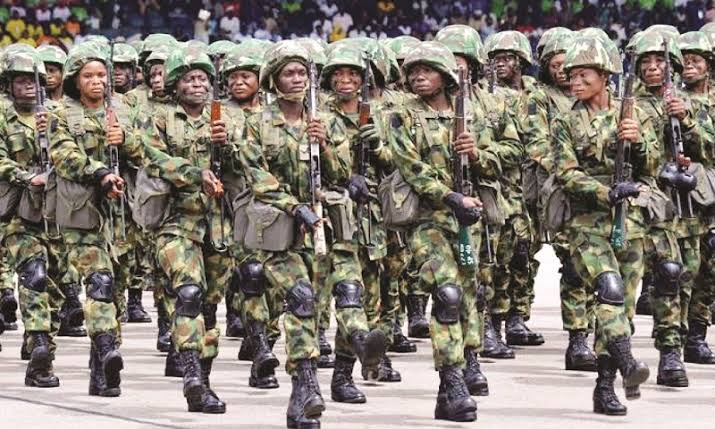
DICON is expected to lead the expansion through investment, research, technology transfer and partnerships with international manufacturers.
However, authorities have not publicly detailed the specific production volumes, investment commitments or categories of equipment expected to enter large-scale manufacturing within the proposed timeframe. These details will be crucial in determining whether the announcement translates into measurable industrial progress.
Nigeria Wants a Bigger Share of Africa’s Defence Market
Nigeria’s ambitions extend beyond supplying its military. Across Africa, governments continue to depend heavily on imported defence equipment, creating opportunities for countries capable of developing competitive domestic manufacturing industries.
Nigeria wants to become one of those suppliers. Expanding production could support engineering jobs, strengthen industrial supply chains and create opportunities for local technology companies. It could also allow Nigeria to retain more defence expenditure within its economy. However, entering Africa’s military export market will require more than increased production.
Nigerian manufacturers must demonstrate consistent quality, competitive pricing, reliable maintenance services and compliance with relevant arms-export regulations. They will also face competition from established international suppliers.
AFRIDEX Opens Nigeria’s Doors to Global Defence Investors
The announcement came during AFRIDEX 2026, held from October 26 to 29 at Eko Atlantic City in Lagos. The exhibition brought together African governments, military representatives, defence manufacturers and international technology companies.
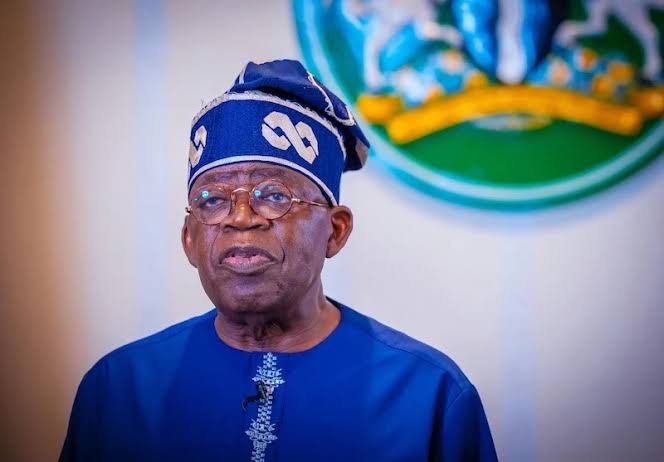
President Bola Tinubu, represented by Senate President Godswill Akpabio, used the opening ceremony to emphasise defence cooperation and partnerships. The event also provided Nigerian manufacturers with opportunities to showcase existing capabilities and engage potential investors.
Nigeria’s strategy relies partly on attracting foreign manufacturers willing to transfer technology, establish local production arrangements and develop long-term industrial partnerships. Rather than completely abandoning international defence relationships, Abuja wants those relationships to deliver greater manufacturing capacity at home.
From Political Promises to Production Lines
Nigeria’s announcement reflects a broader ambition to strengthen African defence manufacturing and reduce dependence on imported equipment. But the distinction between political commitments and operational manufacturing capacity remains significant.
Large-scale production requires sustained investment, skilled personnel, reliable supply chains and consistent demand. The government must also demonstrate that locally produced equipment meets the operational requirements of its armed forces.

For Nigeria, the next 12 months will provide an important measure of progress. The ambition is clear: manufacture more military equipment at home and eventually supply African markets.
RELATED: