
Wayne Lumbasi

Tanzania has announced a major natural gas discovery estimated at 223 billion cubic feet in the southern Mtwara Region, marking its first reported new gas discovery in more than a decade and raising expectations for increased domestic energy supplies and industrial growth.
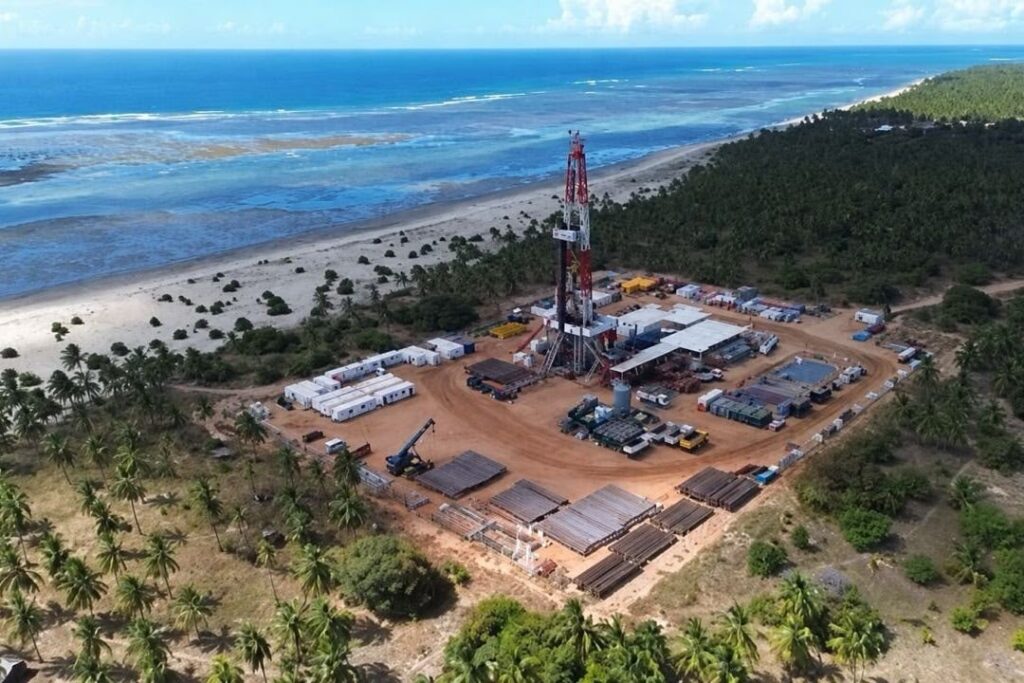
The discovery was announced on October 27, 2026, by Tanzania’s Energy Minister, Juma Zuberi Homera. The gas was identified at the Kasa-1X ST2 exploration well in the Mnazi Bay area, through a project involving the state-owned Tanzania Petroleum Development Corporation and French energy company Maurel & Prom.

The development comes as Tanzania seeks to increase gas production to meet growing electricity demand, strengthen energy security and supply industries that rely on affordable and reliable energy.

New Gas Find Could Strengthen Tanzania’s Industrial Ambitions

The government says the discovery could help reduce reliance on imported energy, increase public revenue and attract fresh investment into the country’s oil and gas industry. It could also support the production of fertilisers, plastics and other petrochemical products, allowing Tanzania to process more of its natural resources locally rather than relying on imported finished goods.
The location of the discovery is particularly significant. MnaziBay is already a producing gas field connected to infrastructure that transports gas to power plants and industrial users. This could make it easier to bring additional supplies into the domestic energy system than would be possible with a new offshore project requiring extensive infrastructure.

More than 80 per cent of the gas produced in Mnazi Bay is currently used to generate electricity at Tanzania Electric Supply Company power plants in Mtwara and Dar es Salaam. Additional production could help meet rising electricity demand as manufacturing and other economic activities expand.
Production Plans & Investment Opportunities
Tanzania’s Energy Ministry has indicated that the newly discovered well could produce approximately 30 million cubic feet of gas daily for at least 10 years. Maurel & Prom, meanwhile, has outlined a potential production rate of up to 50 million cubic feet daily, with initial production envisaged as early as November 2026. These are projections, not confirmation that the new well has already reached commercial production.
The government is also discussing small-scale liquefied natural gas projects with four potential investors, three of which are proposed for Mtwara. Such projects could expand the use of natural gas in industry and transport while creating employment and business opportunities.
Questions Remain About Commercial Production
Although the government announced an estimated 223 billion cubic feet, the operator’s preliminary estimate was approximately 200 billion cubic feet gross, or 120 billion cubic feet attributable to its 60 per cent interest. The operator has not yet classified its estimate as a proved reserve or confirmed how much gas can ultimately be recovered commercially.
The discovery is therefore a promising development, but its long-term economic value will depend on appraisal, sustained production, investment and the ability to deliver affordable gas to industries and households.
Tanzania already has an estimated 57.54 trillion cubic feet of discovered natural gas resources, according to the Tanzania Petroleum Development Corporation. The new find adds to this resource base, while highlighting the country’s wider ambition to use domestic energy supplies to support industrialisation and economic growth.
The key question now is how quickly the discovery can translate into reliable energy, new industrial activity, jobs and tangible benefits for Tanzanian communities.
RELATED: