Faith Nyasuguta

King Charles III has begun his first Caribbean tour as monarch amid renewed demands for Britain to formally apologise and provide reparations for its historical involvement in the transatlantic slave trade.
Arriving in Nassau, the Bahamas, on October 27, 2026, the British monarch acknowledged the suffering and injustices experienced by generations of Caribbean people under colonial rule. However, despite recognising this painful history, the King is not expected to offer a formal apology or commit to financial reparations. The position reflects the British government’s longstanding opposition to compensation for historical slavery.

For Caribbean campaigners, the distinction between acknowledging injustice and accepting responsibility remains at the centre of a growing debate.
Royal Welcome Meets Demands for Justice

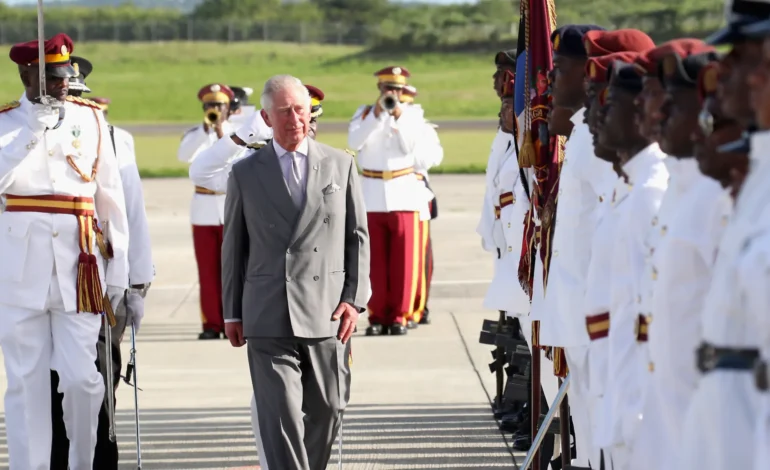
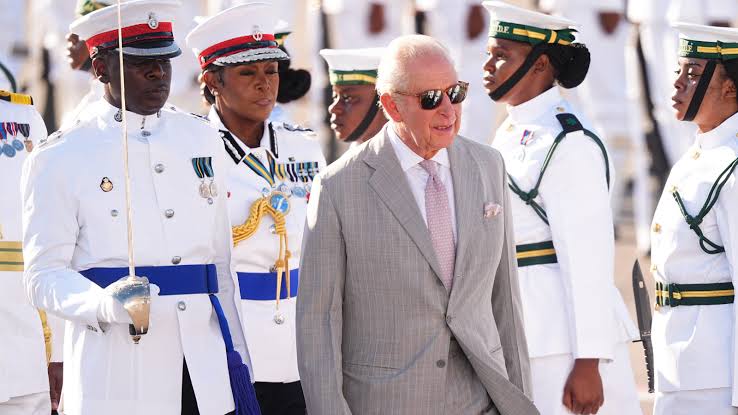
King Charles received a ceremonial welcome in the Bahamas, where he met Governor-General Dame Cynthia Pratt and Prime Minister Philip Davis. He later attended a youth rally at Clifford Park in Nassau, the same location where he participated in the country’s independence celebrations in 1973 as Prince of Wales.
Addressing young Bahamians, Charles recognised that some of the country’s most celebrated cultural achievements emerged from a history marked by oppression. He acknowledged the suffering and injustices of the past while encouraging younger generations to build a better future. But outside the celebrations, protesters delivered a different message.

Demonstrators demanded reparations, the return of cultural artefacts and greater accountability for Britain’s colonial history. Their message reflected frustration among campaigners who argue that expressions of regret are insufficient without meaningful action.
The Bahamas National Reparations Committee also criticised the King’s remarks, arguing that his acknowledgement did not go far enough to address historical injustice.
Britain Acknowledges Slavery, Rejects Compensation
Britain played a major role in the transatlantic slave trade, during which millions of Africans were forcibly transported across the Atlantic and subjected to enslavement. British merchants, plantation owners and institutions benefited economically from a system built on forced labour.
Although Britain abolished the slave trade in 1807 and slavery across most of its empire in 1833, the economic and social consequences continued long afterwards. Today, Caribbean reparations advocates argue that slavery and colonial exploitation contributed to inequalities in land ownership, wealth accumulation and economic development.
Their demands extend beyond direct financial payments. Proposals include educational investment, healthcare support, debt relief, cultural restitution and development programmes intended to address historical disadvantages. The British government, however, maintains that it will not pay slavery reparations.
Buckingham Palace has indicated that Charles will acknowledge the darker chapters of Britain’s history throughout his visit, but decisions concerning formal apologies and compensation remain matters for the government.
Caribbean Leaders Want More Than Words
The King’s nine-day tour includes the Bahamas, Guyana and Antigua and Barbuda. It will culminate in the Commonwealth Heads of Government Meeting, where leaders from 56 member countries will gather to discuss shared challenges. Charles has confirmed that the legacy of slavery will feature in discussions during the summit.
The issue has become increasingly prominent as Caribbean governments seek greater international recognition of the lasting consequences of colonial exploitation. Guyana’s President Irfaan Ali has previously supported calls for an apology and reparations. Other Caribbean nations, including Jamaica, have also pursued initiatives seeking historical accountability.
For campaigners, the debate is about whether countries and institutions that benefited from slavery should contribute to repairing its continuing consequences. Britain’s government has resisted financial compensation, creating a diplomatic challenge as Commonwealth leaders prepare to address the issue.
The Commonwealth Faces an Uncomfortable Question
The controversy comes at a time when several Caribbean nations are reassessing their constitutional relationships with the British monarchy. Although many Commonwealth members are independent republics, countries including the Bahamas continue to recognise the British monarch as head of state.
Republican campaigners argue that continued ties to the Crown raise questions about sovereignty and historical accountability. Others believe constitutional reform and reparations should be considered separately.
The debate also extends beyond the Caribbean. African countries and institutions have increasingly called for discussions about reparatory justice, the restitution of cultural property and the long-term economic consequences of colonialism.
Acknowledgement Is Only the Beginning
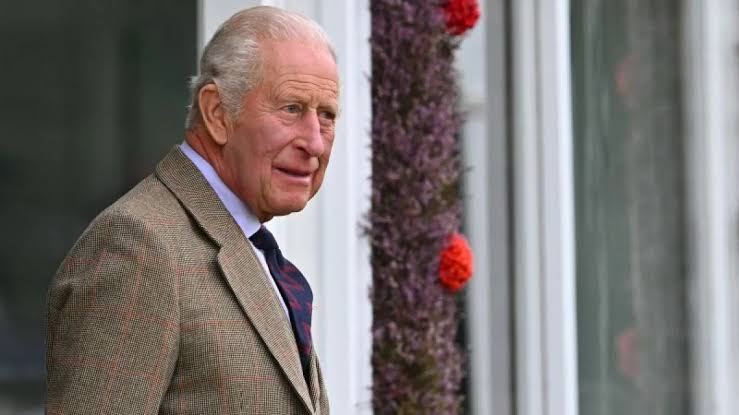
Alongside the slavery debate, King Charles is using the tour to highlight climate change, biodiversity and environmental protection. These issues are particularly urgent for low-lying Caribbean nations facing rising sea levels and increasingly severe climate threats. However, the reparations controversy has ensured that Britain’s historical relationship with the region remains firmly in the spotlight.
For Charles, acknowledging past suffering may demonstrate a willingness to confront difficult history. For reparations advocates, the question is whether that acknowledgement will produce meaningful change.
As Britain recognises the suffering caused by slavery while rejecting compensation, Caribbean nations are making their position increasingly clear: remembering history is important, but accountability remains unresolved.
And as Commonwealth leaders prepare to meet, one question continues to resonate: Can there be meaningful reconciliation without an apology, accountability or reparations?
RELATED: