Faith Nyasuguta

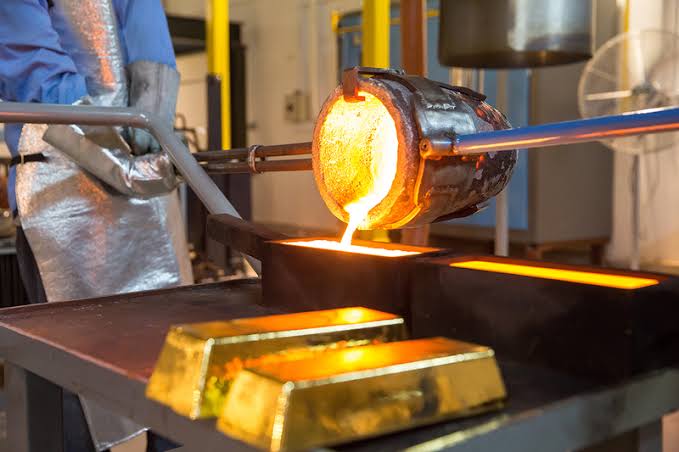
Zambia has taken a significant step towards strengthening its mining industry with the unveiling of a new gold refinery capable of producing gold with purity levels of up to 99.99%.
The facility, developed by Minera Refineries Zambia Limited, was presented during the Zambia Mining and Investment Insaka at the Mulungushi International Conference Centre in Lusaka in October 2026. The development marks another milestone in Africa’s growing push to process natural resources locally rather than relying on overseas facilities.

For Zambia, whose economy has historically depended heavily on copper exports, the refinery presents an opportunity to expand the domestic gold industry, create employment and strengthen economic diversification.

Exporting Raw Gold to Refining at Home

Zambia has long possessed valuable mineral resources, but much of the country’s gold has traditionally entered international markets in raw or partially processed form.
That arrangement means some of the additional economic value generated through refining is captured outside the country. Minera Refineries Zambia Limited wants to change that.

The company says its new facility can refine gold to approximately 99% purity, with technology capable of achieving purity levels as high as 99.99%. Such purity levels are important for producing high-grade bullion, although access to major international markets also depends on certification, traceability and compliance with recognised trading standards.

The company has also reported successful test-refining of gold sourced from the Mpika area, saying the resulting product attracted interest from potential buyers.
While those commercial claims await further independent verification, the unveiling demonstrates growing interest in building domestic refining capabilities.
New Opportunity for Small-Scale Miners
One of the refinery’s most promising potential contributions lies in Zambia’s artisanal and small-scale gold mining sector. Thousands of people participate in small-scale mining activities, but informal trading arrangements can make it difficult to track production, ensure fair payments and collect government revenue.
Domestic refining could help address some of these challenges. By providing a more accessible processing and purchasing system, the refinery could encourage miners to participate in regulated supply chains.
Minera’s managing director, Andrew Mukupa Katandula, has outlined a proposed two-year programme to support the formalisation of artisanal mining.
The initiative includes targeted financing arrangements, improved gold traceability and greater transparency in mineral trading. Supporters believe these measures could help unlock substantial economic opportunities within the sector.
Estimates associated with the initiative suggest that formalising more of Zambia’s gold trade could unlock over $1.8 billion in economic value. However, that figure represents a projected opportunity rather than confirmed earnings from the new refinery.
Reducing Zambia’s Dependence on Copper
Copper remains the backbone of Zambia’s export economy. In 2024, copper accounted for approximately 66% of the country’s merchandise export earnings, while gold represented a much smaller share.
Although copper continues to provide substantial revenue, dependence on one major commodity leaves the economy exposed to international price fluctuations. Developing gold refining could support diversification by expanding Zambia’s participation in another valuable mineral market. The opportunity extends beyond producing gold bars.
A stronger domestic gold industry could eventually encourage investment in jewellery manufacturing, specialised metalworking, financial services and other businesses connected to precious metals. These activities could create opportunities for local entrepreneurs and skilled workers.
African Industrial Shift
Zambia’s refinery announcement comes as several African countries pursue greater control over mineral processing. Burkina Faso, Ethiopia, Nigeria and the Democratic Republic of Congo have also announced or inaugurated precious-metal refining facilities. Meanwhile, Ghana has outlined ambitions to end exports of unprocessed mineral ores by 2030.
Together, these developments reflect increasing interest in moving African economies beyond raw-material extraction. The underlying argument is straightforward: countries that extract minerals can potentially earn more by developing the industries that process them.
However, successful industrialisation requires more than installing refining equipment. Reliable electricity, competitive operating costs, financing, transparent regulation and access to international buyers will be essential.
Turning Mineral Wealth Into National Prosperity
For Zambia, the real test will be whether the refinery can attract sufficient gold supplies and operate sustainably. Its long-term success will also depend on fair purchasing arrangements, responsible sourcing and credible oversight.
If those conditions are met, the facility could strengthen the formal gold economy while allowing more Zambian businesses and communities to participate in the mineral value chain. The unveiling is therefore an encouraging beginning rather than the conclusion of Zambia’s industrial ambitions.
For a continent rich in natural resources, the bigger opportunity is not simply extracting more minerals. It is building the capacity to process them, create jobs and retain more economic value at home.
Zambia’s latest investment suggests that ambition is gaining momentum.
RELATED: