
Wayne Lumbasi

Niger has banned the export of premium petrol and diesel in a move aimed at protecting domestic supplies as fuel shortages disrupt distribution across the country, including the capital, Niamey.
The government’s decision requires locally produced fuel to be prioritised for domestic consumption, as motorists face difficulties accessing fuel at service stations. Under the new restrictions, exports of premium petrol and diesel are prohibited unless the government establishes that supplies exceed domestic requirements and grants special authorisation.

The state petroleum company, SONIDEP, and the operator of the Zinder refinery, SORAZ, may export surplus products only with permission from the minister responsible for trade.

The government has also empowered the commerce ministry, customs authorities and defence and security forces to enforce the restrictions and take action against violations under existing laws.

The decision comes amid reports of fuel shortages in Niamey and other parts of the country. Several service stations have struggled to maintain supplies, forcing motorists to queue at outlets that still have fuel available. Some station operators have reported that their tanks remained empty for days, raising concerns about the impact on transport, businesses and everyday economic activity.
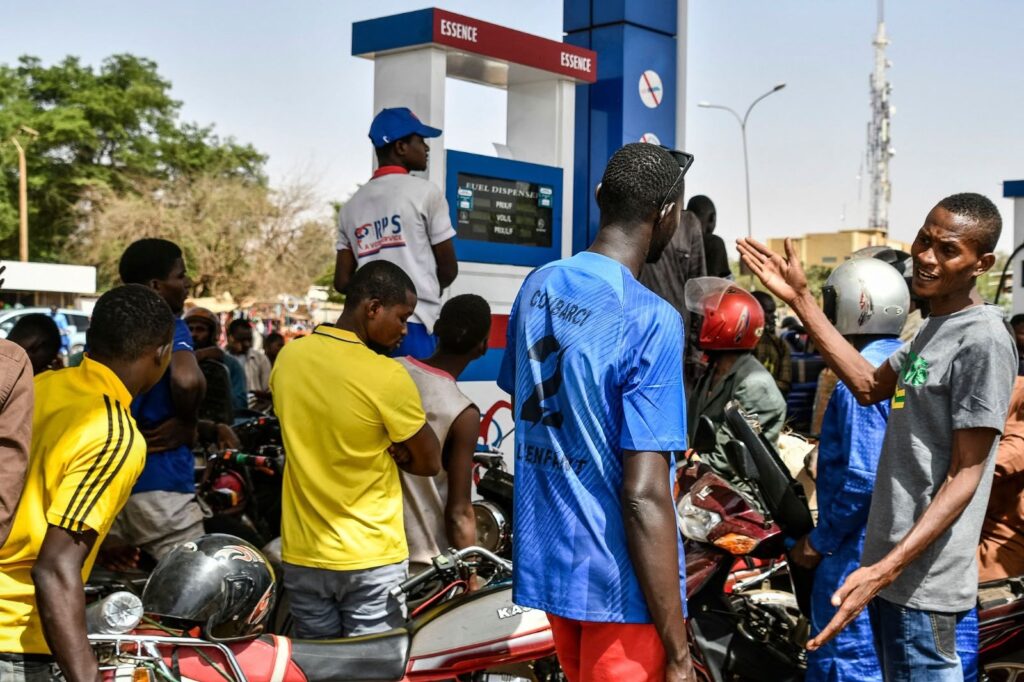
Oil Production Fails To Shield Niger From Shortages

Despite being an oil-producing country, Niger continues to face challenges in ensuring a consistent supply of refined petroleum products. The country extracts crude oil from the Agadem oil region, but its domestic refining capacity remains limited compared to demand.
The Zinder refinery, operated by SORAZ, has a processing capacity of approximately 20,000 barrels of crude oil per day. Niger’s crude oil production has been reported at around 90,000 barrels per day, highlighting the gap between the volume of oil extracted and the country’s capacity to refine it domestically.
Much of the crude oil produced beyond domestic refining requirements is exported. However, crude oil exports do not automatically translate into adequate supplies of petrol and diesel because these products must undergo refining, storage and distribution before reaching consumers.
Niger also relies partly on imported refined petroleum products to meet demand. As a result, disruptions to imports, refinery operations or fuel distribution can contribute to shortages even when the country continues to produce crude oil.
Regional Supply Pressures Add To The Challenge
Niger has historically received fuel through informal cross-border trade with neighbouring Nigeria, where petrol has often been sold at lower prices. Changes in Nigeria’s fuel subsidy policy have made this supply less affordable, contributing to higher prices in informal markets and placing additional pressure on consumers in Niger.
The export ban is intended to keep more available fuel inside Niger rather than allowing supplies to leave the country while local service stations face shortages. However, the measure alone may not immediately resolve the crisis if the underlying problems involve insufficient refined products, interruptions in imports or difficulties transporting fuel to distribution points.
The government faces the challenge of ensuring that fuel retained within the country reaches consumers in a timely and reliable manner.
Government Seeks To Ease The Burden On Consumers
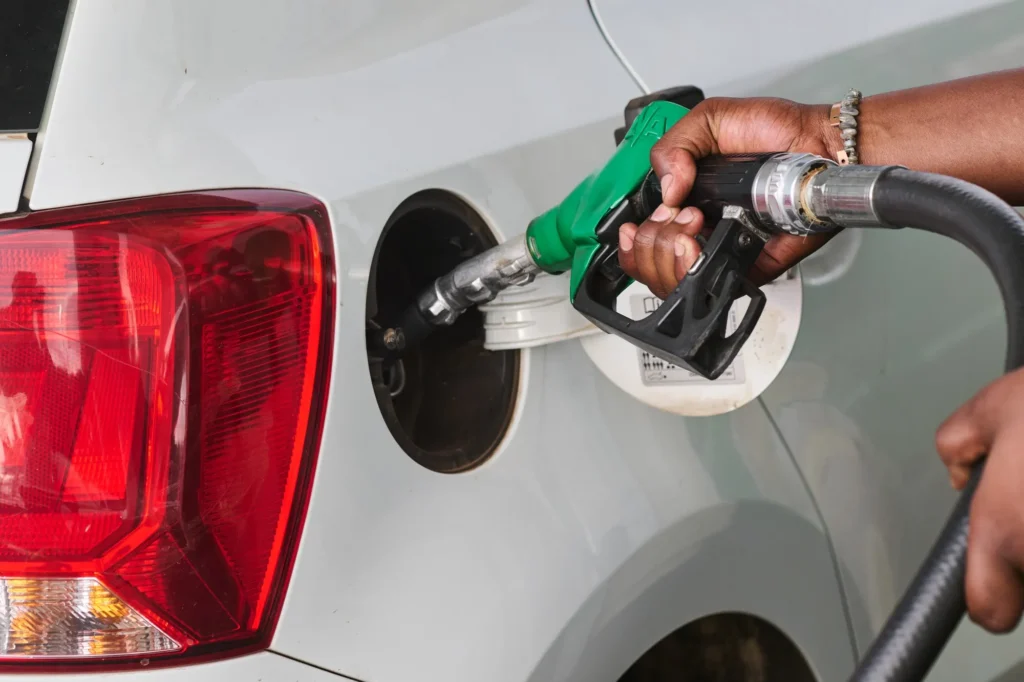
The shortages threaten to affect transport operators, traders and other businesses that depend on petrol and diesel to operate. Prolonged supply disruptions can increase transport costs, slow the movement of goods and place additional pressure on household budgets.
President Abdourahamane Tiani has reportedly ruled out an immediate increase in domestic fuel prices, signalling an effort to avoid adding to the financial burden on consumers.
The effectiveness of the export restrictions will depend on whether the government can improve the availability and distribution of fuel across the country. Monitoring compliance, managing refinery output and securing reliable supplies of imported petroleum products will remain important to stabilising the market.
Niger’s decision highlights a wider challenge for oil-producing countries that lack sufficient refining capacity: producing crude oil does not necessarily guarantee that enough petrol and diesel will be available to meet domestic needs.
For Niger, the immediate priority is to ensure that fuel reaches service stations and essential users, while longer-term improvements in refining, imports and distribution will be needed to reduce the risk of recurring shortages.
RELATED: