Wayne Lumbasi

The United Kingdom has threatened to impose a complete visa ban on Eritrean nationals unless the East African country agrees to accept the return of rejected asylum seekers and convicted criminals who have no legal right to remain in Britain.
UK Home Secretary Shabana Mahmood issued the warning on October 15, 2026, accusing the Eritrean government of refusing to cooperate with efforts to return its citizens. She said the government had been given opportunities to accept the return of people who had exhausted their legal right to stay in the UK but had failed to cooperate.

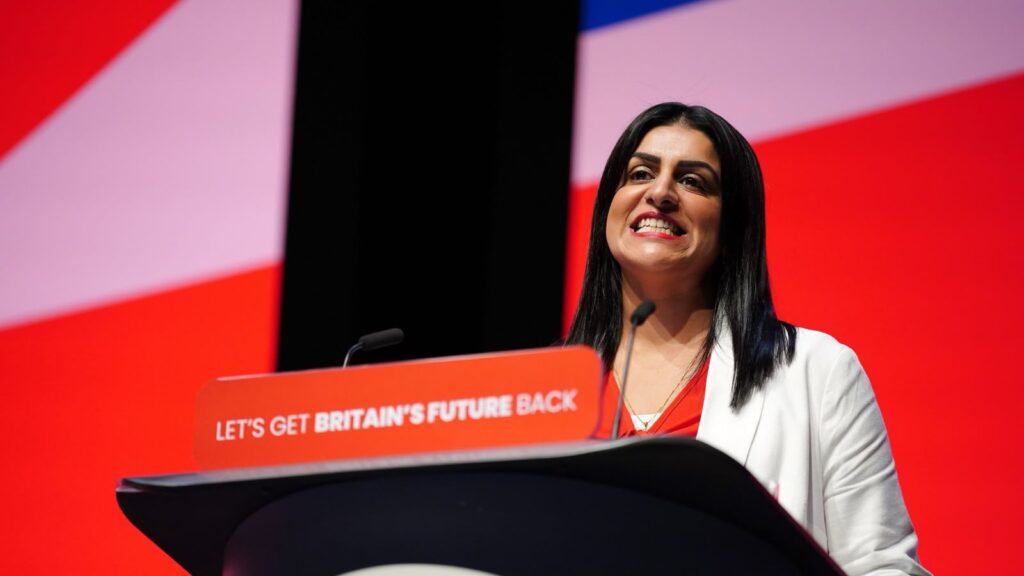
“My message to the Eritrean government is simple: take back your nationals or face a complete ban on your citizens entering the UK,” Mahmood said.

The warning comes alongside measures already introduced against Eritrean representatives in Britain. Eritrean diplomats have lost access to fast track visa services, while restrictions require them to obtain permission before travelling more than 60 kilometres outside London. The British government says the measures mirror restrictions imposed on British officials in Eritrea.

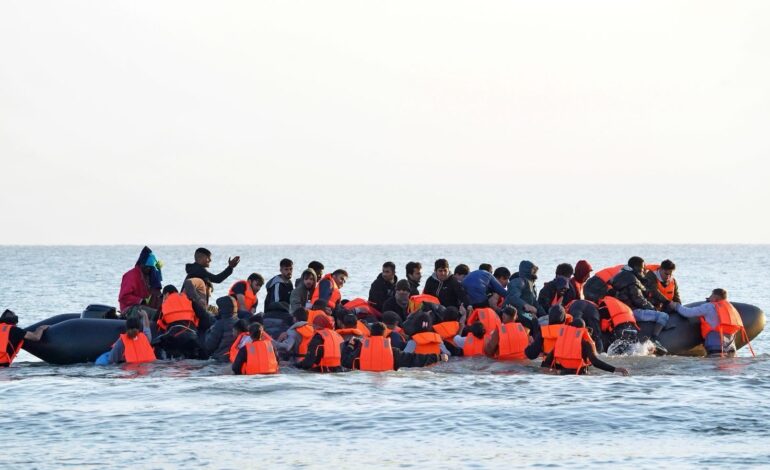
The dispute comes as Eritreans account for a significant share of people seeking asylum in the UK. British figures show that nearly 6,000 Eritreans arrived across the English Channel in small boats in the year ending June 2026, making them the most common nationality among small boat arrivals during that period.
However, the issue is complicated by the number of Eritrean asylum applications approved by British authorities. Approximately 84 per cent of Eritrean asylum claims were successful at the initial decision stage, with additional applicants potentially succeeding on appeal. The figures indicate that many Eritreans seeking protection have been recognised as needing asylum rather than being classified as people without a legal right to remain.

The British government says cooperation on returns is necessary to enforce immigration decisions and remove foreign nationals who have committed crimes or exhausted their legal options to remain in the country. It has warned that countries refusing to accept their citizens could face restrictions affecting travel and visa access.
Eritrea is not the first country to face such pressure. In 2025, the UK threatened visa sanctions against Angola, Namibia and the Democratic Republic of Congo over cooperation on migrant returns. Angola and Namibia subsequently agreed to cooperate, while the Democratic Republic of Congo reached an agreement with Britain in February 2026 after facing visa restrictions.
The government has also taken separate visa measures against nationals of Afghanistan, Cameroon, Myanmar and Sudan, including suspending study visas for citizens of those countries and work visas for Afghans.
The latest warning has raised questions about the impact of immigration enforcement measures on people fleeing difficult conditions in their home countries. Eritrea has faced longstanding concerns over political repression, compulsory national service and restrictions on civil liberties, factors that have contributed to people seeking protection abroad.
For Eritreans already living in Britain, a complete visa ban could have implications for relatives hoping to visit or join them through eligible immigration routes, depending on the scope of any restrictions introduced. The threat does not, by itself, mean that a nationwide ban has already taken effect.
The immediate issue remains whether Eritrea will resume cooperation with British authorities on the return of its nationals. Mahmood has also warned that other governments could face similar measures if they refuse to accept citizens who are due to be returned.
The Eritrean government’s response to the latest warning will be important in determining whether the dispute escalates into a wider restriction on travel between the two countries.
RELATED: