Faith Nyasuguta

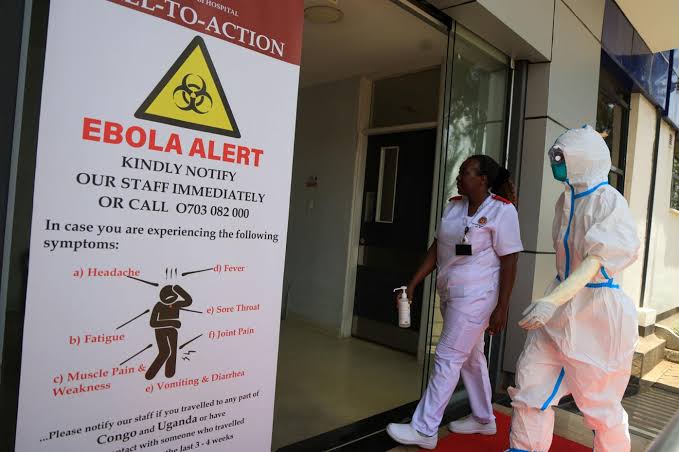
Kenya has confirmed a second Ebola infection, raising concerns about the potential spread of the deadly virus as health authorities intensify surveillance, contact tracing and quarantine measures following the country’s first recorded Ebola-related death.
Kenya’s Ministry of Health confirmed on Wednesday, October 14, 2026, that a 39-year-old man had tested positive for Ebola after developing symptoms while under quarantine.

The patient is a close family member of the country’s first confirmed Ebola victim, a 40-year-old Kenyan who died on October 5 after returning from the Democratic Republic of Congo (DRC).

According to Director-General for Health Dr Patrick Amoth, the second patient developed fever, fatigue and joint pains on October 13, prompting health workers to immediately isolate him and collect samples for laboratory testing.

Tests conducted independently at the National Virology Reference Laboratory and the Kenya Medical Research Institute’s KEMRI-CDC laboratory confirmed infection with the Bundibugyo strain of Ebola.
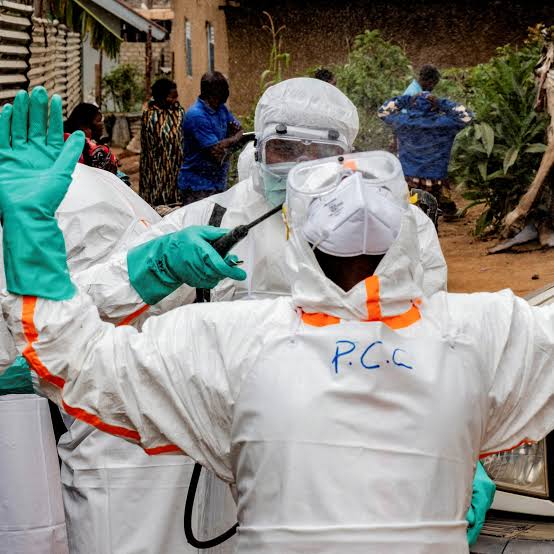
The patient was subsequently transferred to a designated treatment facility, where he is receiving supportive medical care. Health authorities say his early detection significantly reduces the risk of further transmission.

How Ebola Entered Kenya
The first confirmed patient had been living in the Democratic Republic of Congo, where he reportedly became ill and received treatment at several medical facilities. He subsequently travelled through Uganda before flying into Nairobi on October 3.
A relative collected him from Jomo Kenyatta International Airport and transported him to Nairobi Hospital, where he was isolated and assessed. Laboratory investigations confirmed Ebola infection on October 5, the same day he died.
The case raised concerns about the effectiveness of regional border surveillance, particularly because the patient travelled across international boundaries while experiencing an illness later confirmed as Ebola. Kenya had maintained heightened Ebola surveillance since the outbreak began in the DRC in May 2026.
Over 100 Contacts Under Quarantine
Following confirmation of the first infection, Kenyan health authorities launched an extensive contact-tracing operation. By October 13, officials had identified 128 people potentially exposed to the first patient and successfully traced 113.
Of those traced, 108 were placed under quarantine in Kenya, undergoing daily medical assessments and temperature monitoring for 21 days following their last possible exposure.
Five additional contacts were identified outside Kenya, with health authorities in the relevant countries notified. Efforts continue to locate the remaining 15 contacts.
Medical teams are also assessing individuals who may have interacted with the second patient after he developed symptoms, including healthcare workers and quarantine personnel.
Despite the second confirmed infection, authorities maintain that both cases are epidemiologically linked, with no evidence of wider community transmission.
Border Screening & Hospital Preparedness
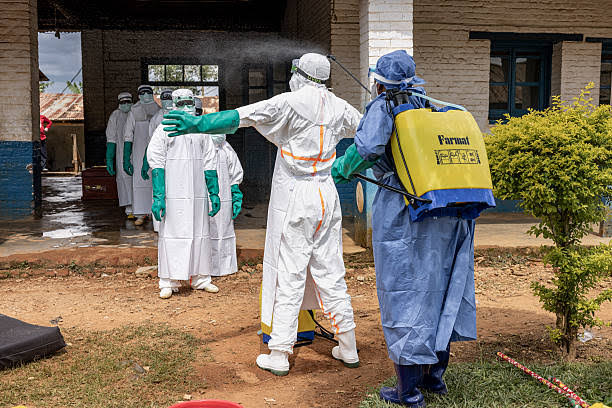
Kenya has intensified health screening at airports, land borders and other major entry points, particularly for travellers arriving from countries experiencing Ebola transmission.
The government has identified several facilities capable of isolating and treating suspected patients, including Kenyatta National Hospital, Moi Teaching and Referral Hospital, Nairobi Hospital and the National Police Service Hospital.
Before the second infection, the Ministry of Health reported screening more than 652,000 travellers and training approximately 4,971 healthcare workers in Ebola prevention and management.
Authorities have also strengthened infection prevention protocols and ensured that healthcare workers have access to protective equipment. Despite the infections, the government has not imposed restrictions on international travel, trade or public gatherings.
Regional Ebola Outbreak Raises Concerns
Kenya’s cases are linked to the ongoing Ebola epidemic in the Democratic Republic of Congo, which has experienced thousands of infections and deaths. The outbreak involves the Bundibugyo virus, one of the viruses capable of causing Ebola disease.
Unlike some other Ebola virus types, Bundibugyo currently has no specifically approved vaccine or antiviral treatment. Ebola spreads primarily through direct contact with the blood or bodily fluids of infected individuals who are symptomatic, as well as contaminated materials.
Symptoms may include fever, fatigue, muscle pain, vomiting, diarrhoea and, in severe cases, unexplained bleeding. Early diagnosis, isolation and supportive treatment remain essential for improving survival and preventing transmission.
Can Kenya Prevent A Wider Outbreak?
The confirmation of a second infection presents a significant test of Kenya’s public health preparedness.
However, the fact that the patient was already quarantined when symptoms emerged demonstrates the importance of early contact tracing and continuous medical monitoring.
The immediate priorities include locating outstanding contacts, maintaining strict infection prevention measures and ensuring suspected cases are identified before further transmission occurs.
Health authorities have urged Kenyans to remain calm, avoid misinformation and seek medical attention promptly if they develop symptoms associated with Ebola.
The Ministry of Health has also encouraged the public to report suspected infections through its toll-free information line, 719.
For now, Kenya has recorded two confirmed Ebola cases and one death, with no evidence of community transmission.
Whether the country successfully contains the infections will depend on sustained surveillance, effective cross-border cooperation and rapid medical intervention.
RELATED: