
Wayne Lumbasi

South Africa is preparing to transfer approximately 2.5 million hectares of state owned agricultural land to Black farmers, in a major step towards addressing historical land inequalities and expanding Black participation in commercial agriculture.
President Cyril Ramaphosa announced the initiative on October 12, 2026, saying the government would release the land to qualifying beneficiaries and provide support to help them develop productive and sustainable farming businesses.

The programme forms part of South Africa’s broader land reform efforts, which seek to address the legacy of colonialism and apartheid, when Black communities were dispossessed of land and denied equal access to agricultural opportunities. Despite the country’s transition to democracy in 1994, land ownership remains a major economic and political issue.

Under the plan, the government intends to provide title deeds to eligible farmers, giving them greater security over the land they receive. The move is significant because farmers operating on state land under lease agreements may face difficulties making long term investments or using their land rights to access financing.

The transfer of ownership is intended to give beneficiaries a stronger foundation for developing commercial farming operations, expanding production and participating more fully in South Africa’s agricultural economy.
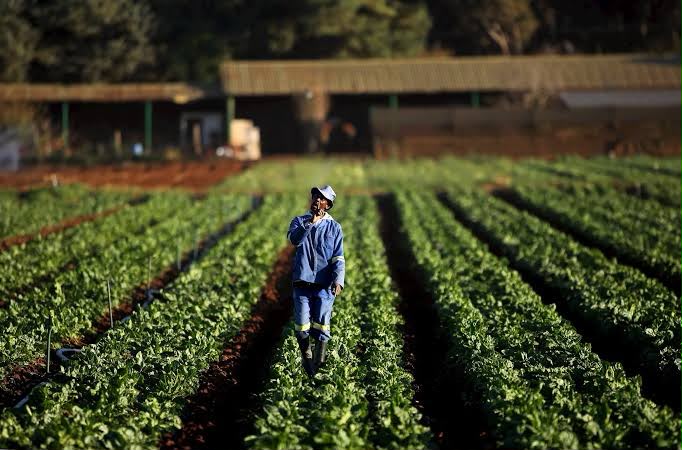
However, the government’s plan goes beyond distributing land. Authorities recognise that farmers require financial resources, equipment, technical expertise and access to markets to turn agricultural land into viable businesses.

Support measures linked to the initiative include agricultural training, mentorship, financing and partnerships with established farming organisations. Through the Blended Finance Scheme, eligible farmers can receive a combination of government grants and loans to invest in infrastructure, machinery, livestock and other essential farming requirements.
The approach is intended to address one of the main challenges facing emerging farmers: securing enough capital to establish and expand their operations. Without adequate funding, access to irrigation, storage facilities, equipment and reliable markets, newly allocated land may fail to generate the expected economic benefits.
The government is also looking to strengthen cooperation between emerging farmers and established agricultural businesses, with the aim of improving skills, productivity and access to commercial supply chains.
The programme comes as South Africa continues to confront the economic consequences of its racially unequal land ownership system. Land reform has remained a central issue in national debates over economic justice, rural development and the pace of transformation since the end of apartheid.
Expanding Black ownership of productive agricultural land could create opportunities for rural employment, increase participation in food production and help more farmers build long term businesses. Its impact, however, will depend on how effectively the government implements the transfers and ensures that beneficiaries receive the support needed to remain productive.
The scale of the initiative also raises questions about implementation, including how the land will be allocated, how many farmers will benefit and whether sufficient funding will be available to support them beyond the initial transfer.
The government has not provided a complete public breakdown of individual beneficiaries, the full transfer timetable or the additional funding required to support all recipients under the latest announcement.
The release of 2.5 million hectares therefore represents an important stage in South Africa’s land reform programme, but the broader test will be whether the initiative translates ownership into sustainable agricultural production, stronger rural economies and greater economic opportunities for Black farmers.
RELATED: