Faith Nyasuguta

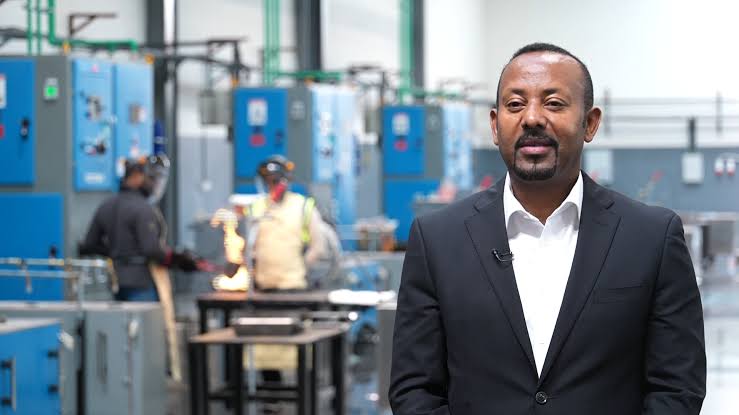
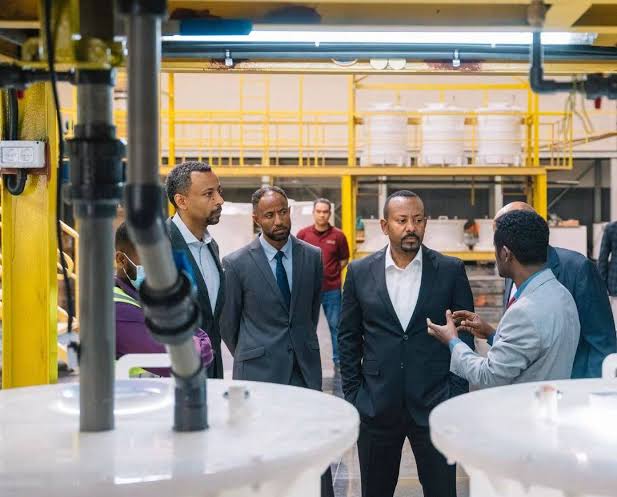
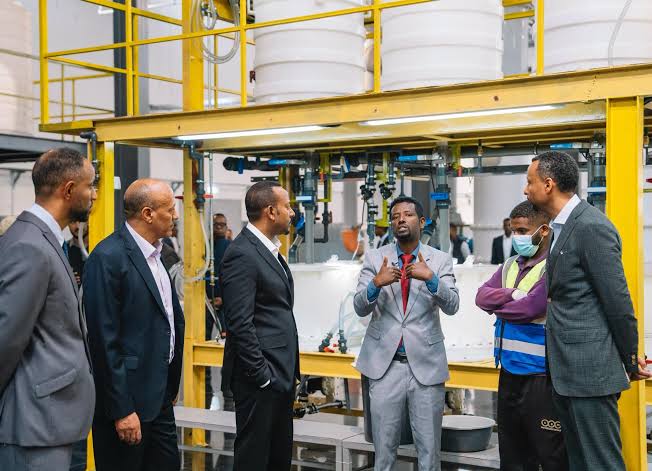
Ethiopia has opened a new precious metals refinery designed to process more than 600 tonnes of precious metals annually, positioning the country to compete for a larger share of Africa’s gold-processing business. Inaugurated by Prime Minister Abiy Ahmed on October 10, 2026, the National Precious Metals Refinery is located at the Bole Lemi Special Economic Zone in Addis Ababa. The project brings together Ethiopian Investment Holdings, the state-owned investment company, and Dubai-based Sam Precious Metals, which already operates refining businesses in the Middle East and North Africa.
The facility is designed to test precious metals, refine gold into export-ready bullion, and manufacture cast and minted gold and silver bars. Its stated capacity of more than 600 tonnes a year covers precious metals collectively, not gold alone. It also represents the volume the refinery could process at full capacity, rather than the amount it is already handling. The opening marks the establishment of new processing infrastructure; securing a steady supply of metal and attracting customers will determine how much business the plant ultimately generates.

Ethiopia Wants More Than Gold Extraction

The project reflects a wider repeated economic question facing African mineral producers: how much value can countries retain after resources are extracted from the ground? Gold mining is only one stage of the industry. The metal must also be tested, refined, certified and prepared for sale before it can enter international markets or be used in manufacturing.
When these services are provided elsewhere, producing countries may miss opportunities to earn income from refining fees, specialised services and downstream manufacturing. A domestic refinery gives Ethiopia the potential to capture some of that business, develop technical expertise and create opportunities linked to precious metals processing.
According to the Ethiopian government, the facility is intended to strengthen quality assurance, support domestic processing and help establish the country as a regional centre for precious metals refining and manufacturing. Gold and silver bars could serve export markets, while the manufacturing capability may create opportunities in jewellery and other products. However, these benefits depend on actual commercial activity, not simply the existence of the facility.
A Bid For Africa’s Gold-Processing Market
Ethiopia’s ambition extends beyond its own mining industry. The government says the refinery can serve mining companies and precious metals producers from neighbouring countries and elsewhere in Africa. If it attracts regional customers, Ethiopia could earn revenue by processing metal extracted in other countries, creating a service-based business alongside its own mineral production.
A country does not need to own every mine to participate in the wider gold economy. It can also earn income by providing reliable refining, testing, certification and manufacturing services to producers that need to prepare their output for international buyers.
For African mining companies, having more processing options on the continent could reduce dependence on facilities located outside Africa. It could also strengthen regional commercial links by allowing producers, refiners, transport companies and manufacturers to operate within closer markets. But these outcomes are not automatic. Customers will compare costs, processing standards, security, logistics, delivery times and the international acceptance of the refinery’s certifications before deciding where to send their gold.
The Ethiopian government has not named regional customers for the new facility or disclosed how much metal it is currently processing. The opening therefore establishes a potential regional service, rather than proof that Ethiopia has already secured a significant share of Africa’s refining market.
Why The Partnership Matters
Sam Precious Metals brings experience in refining, testing and minting through its existing operations in Dubai and Cairo. Its participation gives the Ethiopian project a partner with an established precious metals business and international commercial relationships.
For Ethiopia, the immediate challenge is turning that experience and the new facility’s capacity into consistent business. The refinery will need reliable supplies of gold and silver, competitive pricing, trusted quality controls and customers willing to use Addis Ababa instead of their existing processing routes.
International accreditation and acceptance will also matter. Buyers need confidence that the metal has been accurately tested and that its purity and origin are properly documented. Strong standards can help build trust, while weak verification systems could limit the refinery’s ability to compete for customers.
The Real Test
The opening gives Ethiopia infrastructure with which to pursue a larger role in the precious metals industry. Yet the difference between installed capacity and actual throughput is crucial. A refinery designed to process more than 600 tonnes annually will not necessarily reach that level; its performance will depend on supply, customer contracts, financing, operating efficiency and market demand.
The project also highlights a broader lesson for Africa’s resource economies. Building a refinery is one step towards retaining more value locally, but lasting gains require a wider industrial ecosystem, including skilled workers, reliable energy, transport infrastructure, transparent sourcing and access to buyers.
Ethiopia now has a facility designed to serve both domestic and regional markets. Its next milestone is demonstrating that African producers will use it, that the operation can meet international commercial standards and that processing activity generates sustained revenue and industrial opportunities. The refinery’s significance will ultimately be measured not by its headline capacity, but by how much metal it actually processes and how much value Ethiopia and its regional partners retain.
RELATED: