Faith Nyasuguta

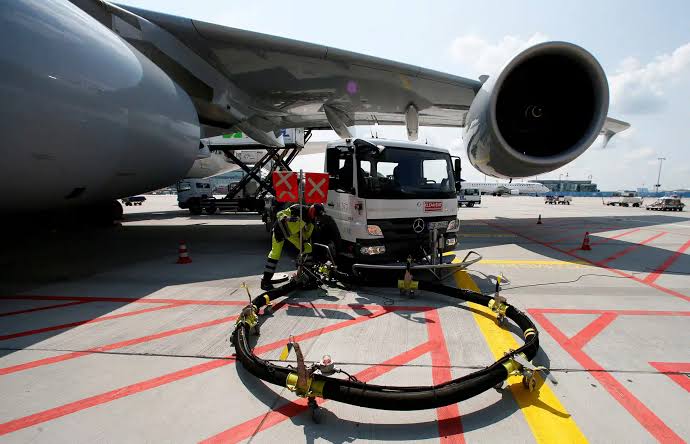
Algeria is making a fresh move into the West African fuel market, with its state-owned energy giant Sonatrach delivering Jet A1 aviation fuel to Niger for the first time.
The development opens a new energy corridor between Algeria and Niger and could eventually put Sonatrach in greater competition with Nigeria’s Dangote Petroleum Refinery, which has been expanding its refined-fuel exports across Africa.

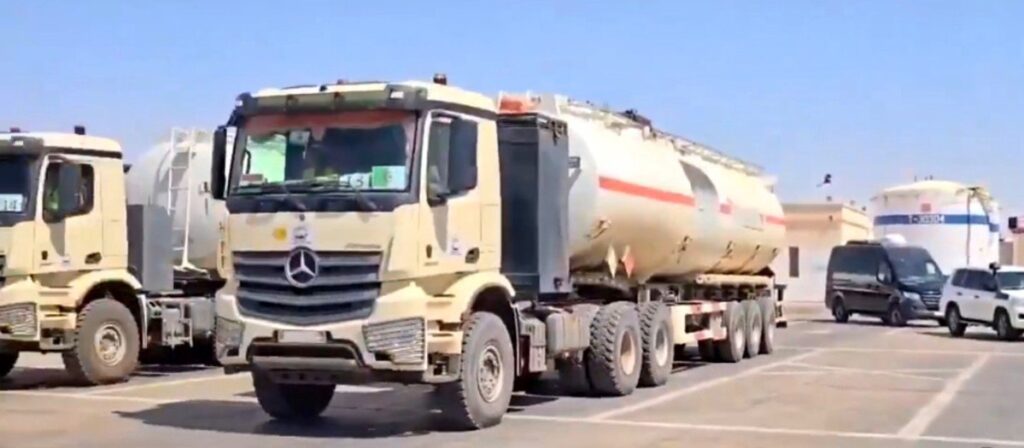
Sonatrach said its first contractual Jet A1 deliveries to Niger began on August 15, under a sale-and-purchase agreement with Niger’s state-owned oil company, SONIDEP.

The fuel is being supplied from Sonatrach’s Adrar refinery, also known as RA1D, marking the beginning of direct commercial cooperation between the two companies.
For Niger, the agreement provides another source of aviation fuel at a time when the landlocked Sahel country is seeking to strengthen and diversify its energy supply networks.
For Algeria, however, the deal appears to be part of something much bigger.
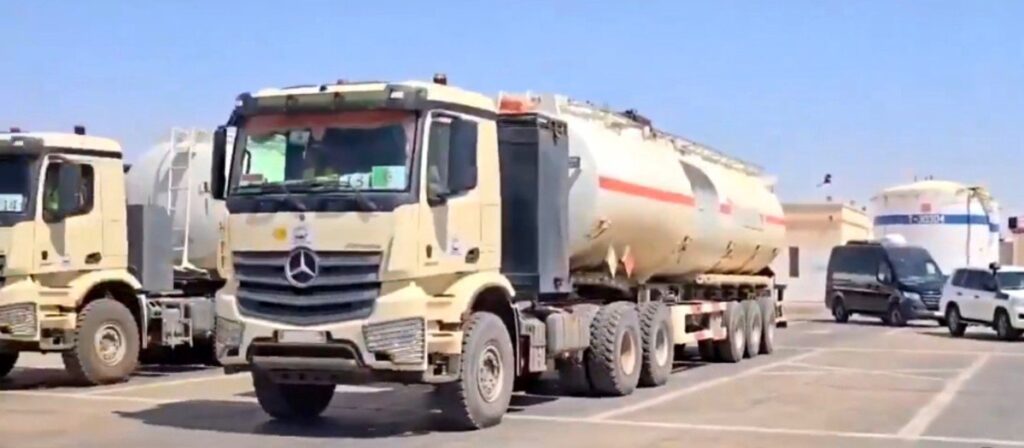
Sonatrach said the agreement reflects Algeria’s ambition to strengthen commercial ties with African oil and gas companies, particularly across the Sahel. The company indicated that the Niger deal could eventually lead to regular supplies of Algerian petroleum products to other countries in the region.
That would put Algeria in a potentially stronger position in a market where Nigeria has been aggressively expanding its influence.
The latest agreement also follows growing cooperation between Sonatrach and SONIDEP beyond refined products.
On August 14, the two companies reportedly loaded their first jointly marketed cargo of Meleck crude oil from Niger, shipped through the Sèmè terminal in neighbouring Benin.
The emerging relationship therefore covers both crude oil marketing and refined petroleum products, creating the foundations for a broader energy partnership.
Algeria has also been exploring additional fuel cooperation with other Sahel countries.
Its national fuel distributor, Naftal, has discussed supplying Niger with products including unleaded gasoline, Jet A1 and liquefied petroleum gas. Algeria has also been pursuing closer petroleum-product cooperation with Burkina Faso.
If those plans develop, Algeria could gradually establish a wider fuel distribution network stretching from North Africa into the Sahel.
That matters because Nigeria’s Dangote Refinery is pursuing a similar continental strategy from the opposite direction.
The 700,000-barrel-per-day Dangote refinery in Lagos has positioned itself as a major source of refined petroleum products for Nigeria, Africa and international markets.
Dangote has repeatedly highlighted its ambition to reduce Africa’s dependence on imported refined fuel while turning Nigeria into a major petroleum-products exporter.
The refinery produces aviation fuel and has already supplied international markets. Dangote has also reported exports of refined products to African countries including Cameroon, Ghana, Angola and South Africa, alongside significant jet-fuel exports to Europe.
The company has said its aviation-fuel production can reach around 20 million litres per day, leaving volumes available for export beyond Nigeria’s domestic requirements.
Sonatrach’s entry into Niger therefore adds another major regional supplier to an increasingly competitive African fuel market.
But it would be premature to describe the Algerian deal as an immediate threat to Dangote’s dominance.
One shipment does not create a regional supply network, and Dangote’s refinery has a vastly larger refining capacity than Sonatrach’s Adrar facility.
What makes the development interesting is the direction of travel. Algeria is moving south. Nigeria is moving outward.
If Sonatrach follows its Niger deal with regular supplies to Burkina Faso, Mali and other Sahel markets, the continent could see two competing energy corridors emerge—one anchored in North Africa and another increasingly centred on Nigeria.
For African fuel markets, that competition could ultimately mean more suppliers, more routes and potentially greater leverage for countries that have historically depended heavily on imported petroleum products.
RELATED: