Faith Nyasuguta

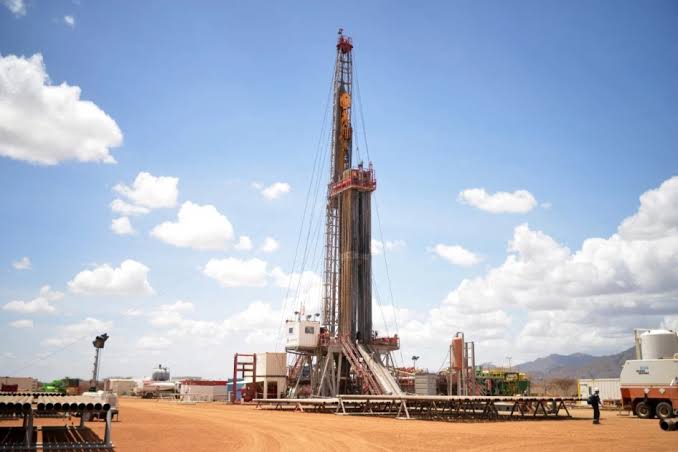
Kenya could be approaching a historic turning point in its energy sector as President William Ruto targets December 2026 for the country’s first commercial crude oil exports from the South Lokichar Basin in Turkana County.
The announcement has renewed optimism around a project that has faced more than 14 years of uncertainty since oil was discovered in 2012.

Speaking during Mashujaa Day celebrations at Kipchoge Keino Stadium in Eldoret on October 20, Ruto said development activities were advancing rapidly, bringing Kenya closer to joining Africa’s commercial oil-producing nations.

For a country that has spent years importing petroleum products, the prospect of exporting locally produced crude represents an important economic milestone.

From Discovery to Commercial Production
Kenya’s oil journey began in March 2012 when British exploration company Tullow Oil and its partners discovered crude at the Ngamia-1 well in Turkana.

The discovery generated excitement, with expectations that petroleum development would attract investment, create employment and provide an additional source of government revenue. However, transforming underground resources into a commercially viable industry proved challenging.
Financing difficulties, infrastructure limitations, changing market conditions and prolonged negotiations delayed the project’s development.
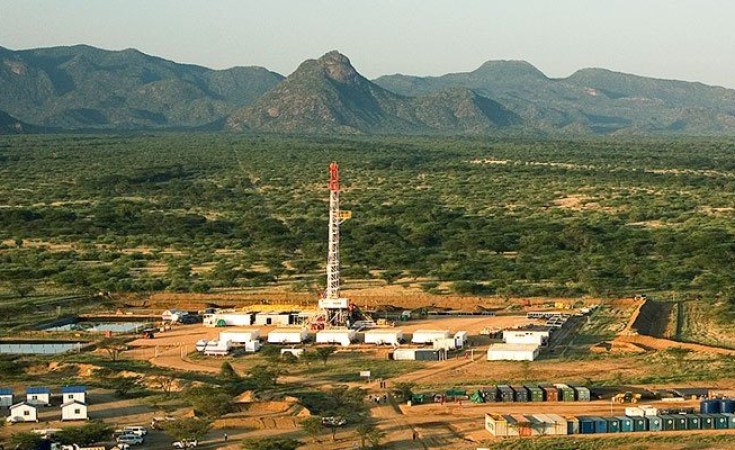
Momentum returned after Gulf Energy acquired Tullow Oil’s Kenyan assets in 2025, taking responsibility for advancing the South Lokichar project. The company is now overseeing preparations for commercial production, supported by an approved field development plan.
December Target Brings Fresh Optimism
The project’s initial production phase targets approximately 20,000 barrels of crude oil daily, with plans to increase output to around 50,000 barrels in a subsequent phase.
In September, a major drilling rig arrived at the Port of Mombasa ahead of its deployment to Turkana, providing visible evidence that development activities were progressing.The Energy and Petroleum Regulatory Authority has indicated that production remains on schedule to begin in December 2026.
However, while Ruto has expressed confidence that exports could begin before the year ends, the regulator’s published timeline places the first commercial shipments through Mombasa in the first quarter of 2027.
The distinction reflects the practical challenges of moving crude from production facilities to international markets. Nevertheless, both timelines point towards a significant breakthrough after years of waiting.
A New Economic Opportunity for Turkana
Beyond national export earnings, the project carries considerable significance for communities in Turkana. Commercial oil production could stimulate demand for local transport, construction, hospitality, maintenance and other supporting services.
It could also create opportunities for Kenyan professionals, technicians and small businesses participating in the petroleum supply chain. For residents, however, the greatest measure of success will be whether the investment translates into improved livelihoods.
Transparent revenue-sharing arrangements, fair compensation for affected households, environmental safeguards and meaningful local employment will be essential. If implemented effectively, the project could demonstrate how natural resources can support development in historically underserved regions.
Connecting Turkana to Lamu’s Energy Ambitions
Kenya’s emerging petroleum industry is also taking shape alongside ambitious plans for a major refinery in Lamu. Nigerian industrialist Aliko Dangote is developing a proposed refinery with a processing capacity of approximately 700,000 barrels of crude oil daily.
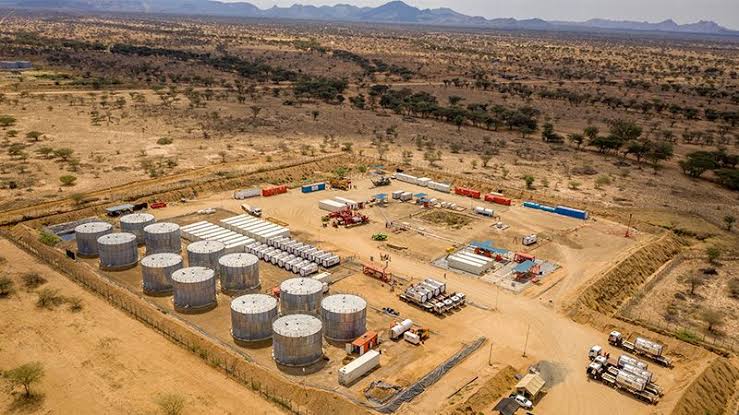
The project forms part of a broader petroleum and petrochemicals industrial complex intended to strengthen regional energy infrastructure.
Plans for a pipeline connecting Turkana to Lamu could eventually create an integrated petroleum corridor linking production, transportation, refining and export facilities. However, Turkana’s planned output would supply only a fraction of the refinery’s proposed capacity, meaning additional crude sources would be required.
The potential connection nevertheless highlights Kenya’s longer-term ambition to become a significant energy and logistics hub in East Africa.
Turning Potential Into Lasting Prosperity
Important challenges remain. Securing financing, developing transport infrastructure, maintaining production schedules and ensuring commercially sustainable operations will determine whether the latest targets are achieved.
Crude oil exports will also not automatically translate into cheaper petrol or diesel, since Kenya currently depends on imported refined petroleum products. Still, the renewed momentum offers grounds for cautious optimism.
After years of stalled expectations, equipment is arriving, development plans are advancing and a clearer production timetable is emerging. For Kenya, the opportunity extends beyond selling crude oil abroad.
It is about building industrial capacity, attracting investment, developing local expertise and ensuring that natural resources contribute meaningfully to national prosperity.
Fourteen years after the first discovery, Turkana’s oil story may finally be entering its most consequential chapter. And if Kenya can turn its petroleum potential into sustainable development, the benefits could extend far beyond the oilfields of Turkana.
RELATED: