Faith Nyasuguta
Formula 1 is preparing to return to Africa after more than three decades, but its choice of Rwanda as host has triggered a diplomatic confrontation with the Democratic Republic of Congo. At the centre of the dispute is an uncomfortable question: should a country facing serious allegations of involvement in a neighbouring war be rewarded with one of international sport’s most prestigious events?
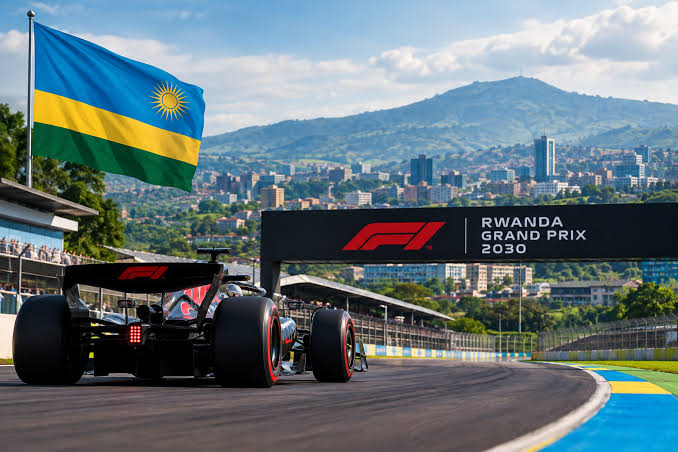
On October 13, Formula 1 announced a 10-year agreement to stage the African Grand Prix in Rwanda, beginning in the early 2030s. The race will take place at a purpose-built circuit in Bugesera, approximately 40 kilometres south of Kigali. The project forms part of Rwanda’s broader ambition to become a major international destination for tourism, business and sporting events.

For Formula 1, the agreement marks its return to a continent it last visited in 1993, when South Africa hosted the Grand Prix at Kyalami. For Congo, however, the announcement represents something considerably more troubling.

Congo Challenges Rwanda’s Grand Prix

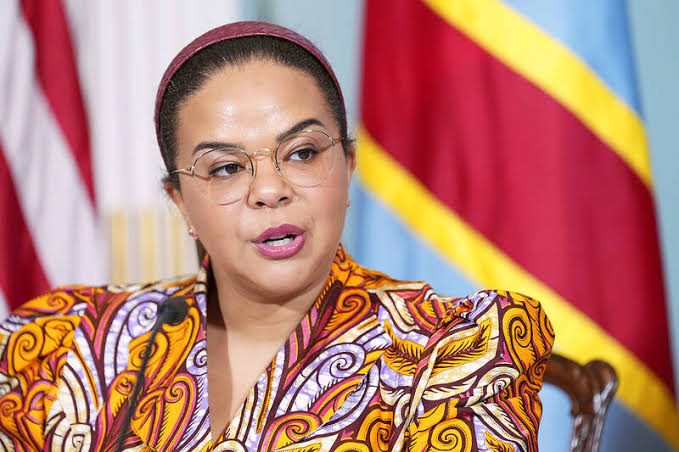
DRC Foreign Minister Thérèse Kayikwamba Wagner condemned the agreement, describing the decision to award Rwanda the race as “morally indefensible.” Wagner revealed that she had warned Formula 1 chief executive Stefano Domenicali against selecting Rwanda as early as February 2025.
Her argument is that hosting the Grand Prix would strengthen President Paul Kagame’s international image while his government faces allegations of supporting armed groups responsible for violence in eastern Congo. Kinshasa has instead expressed support for South Africa’s efforts to bring Formula 1 back to the continent. But Congo’s objections go beyond choosing between two potential host countries.
Wagner has demanded credible, independent guarantees that funds used to finance the Rwandan Grand Prix will not originate from conflict-linked minerals or the exploitation of Congolese resources. The challenge puts Formula 1 in an awkward position: how can a sporting organisation celebrate African progress while overlooking serious concerns about conflict and accountability?
The War Behind the Controversy
The dispute unfolds against the backdrop of a devastating conflict in eastern DRC, where the M23 rebel movement has captured significant territory. The rebels seized Goma in January 2025 and Bukavu the following month, intensifying an already severe humanitarian crisis.
United Nations investigators have documented Rwandan military involvement alongside M23, while the United States imposed sanctions on Rwanda’s military and four senior officers in March 2026 over support for the rebel group.
Rwanda rejects allegations that it is fuelling the conflict and maintains that its security measures respond to threats posed by armed groups operating near its borders. The conflict has displaced millions of people, with civilians facing killings, sexual violence and the destruction of livelihoods.
Against this background, Congo argues that awarding Rwanda a global sporting spectacle risks shifting international attention away from the suffering across its border.
The Conflict Minerals Question
Perhaps the most uncomfortable aspect of Congo’s opposition concerns the minerals beneath its soil. Eastern DRC contains valuable deposits of coltan, gold and tin, resources essential to global electronics manufacturing and industrial supply chains.
A 2025 United Nations investigation documented M23’s control over mining operations around Rubaya, a major coltan-producing area in North Kivu. Investigators identified trading networks involved in moving minerals from rebel-controlled territory into Rwanda.
In September 2026, Amnesty International also documented serious abuses at mining sites controlled by M23, including forced labour, killings and other violations potentially amounting to war crimes. These findings give substance to concerns about the relationship between armed conflict and mineral exploitation.
However, no publicly verified evidence establishes that Rwanda’s proposed Formula 1 project is being financed through conflict minerals. Congo’s demand is therefore for financial transparency and safeguards, rather than a conclusion that illicit funding has already been proven.
The distinction is crucial, but so is the question it raises: should Formula 1 require independent scrutiny of its host country’s funding arrangements?
Formula 1’s African Ambitions
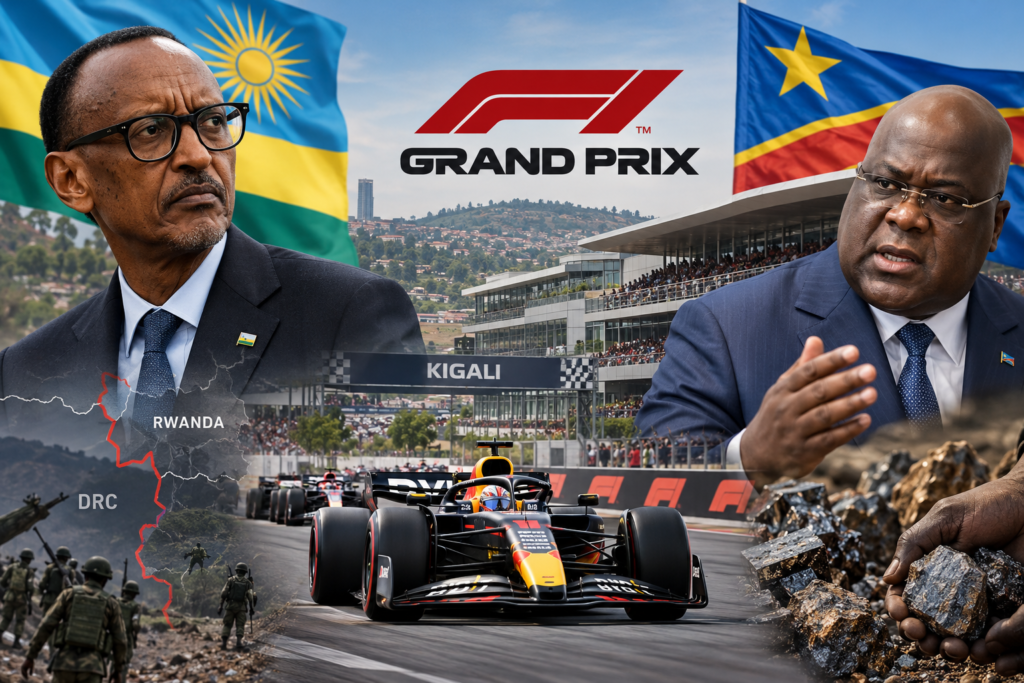
Formula 1 sees Rwanda as an opportunity to unlock one of motorsport’s largest underserved markets. According to the organisation, Africa already has more than 100 million Formula 1 fans, while nearly 60% of fans in key sub-Saharan African markets are younger than 35.
Rwanda’s planned circuit will meet FIA Grade 1 standards and is expected to support tourism, employment, investment and international events beyond racing. Formula 1 argues that its international competitions can generate lasting economic and social benefits.
South Africa, meanwhile, continues pursuing its own Grand Prix ambitions, with officials questioning why a continent of 54 countries should be limited to a single race.
The commercial opportunity is considerable. Formula 1 says comparable new race destinations typically generate more than £100 million in annual economic impact. Yet projected economic benefits do not automatically settle concerns about political accountability or the origins of investment.
Can Sport Ignore the Conflict?
Rwanda has increasingly used international sporting partnerships to promote itself globally, including sponsorship arrangements with major European football clubs.
Its government presents these initiatives as legitimate investments in tourism, economic development and international visibility. Critics, however, argue that such partnerships risk improving the country’s international reputation without adequately addressing allegations concerning its conduct in eastern Congo.
Formula 1 has defended its decision, maintaining that sport can unite communities and deliver positive change. The proposed circuit remains unbuilt, and the inaugural race date has not been finalised.
For African motorsport enthusiasts, the prospect of Formula 1 returning after more than 30 years is undoubtedly significant. But Congo’s opposition has ensured that the celebration comes with difficult questions.
Formula 1 may have found a destination for Africa’s long-awaited Grand Prix. What remains unresolved is whether the sport can justify its choice without confronting the allegations surrounding its new host.
RELATED: