Njoki Kangethe

The Future of Thirst
When I began writing this series, I found myself thinking about water as more than a resource, but as a memory, as I experienced it growing up.

Like many people who grew up in Nairobi, some of my earliest memories involve waiting for water, storing water, carrying water, and planning life around water. In the staff quarters where I grew up, the arrival of running water was an EVENT; a signal to stop whatever you were doing and begin filling every available container in the house: drums, buckets, cooking pots, laundry basins, plastic bottles… anything that could hold water became valuable. Looking back, what strikes me most is how normal it felt, as it’s what I was born into, it didn’t feel strange. Children adapt quickly to the realities around them. We rarely question the systems we inherit.

It was only years later that I began to understand those childhood experiences differently. The issue was more than just that water was scarce. Water existed. Some households had it more consistently than others. Some neighbourhoods seemed insulated from shortages while others developed entire routines around them. What I had experienced as a child was an early lesson in inequality.

That realization has followed me throughout this series.
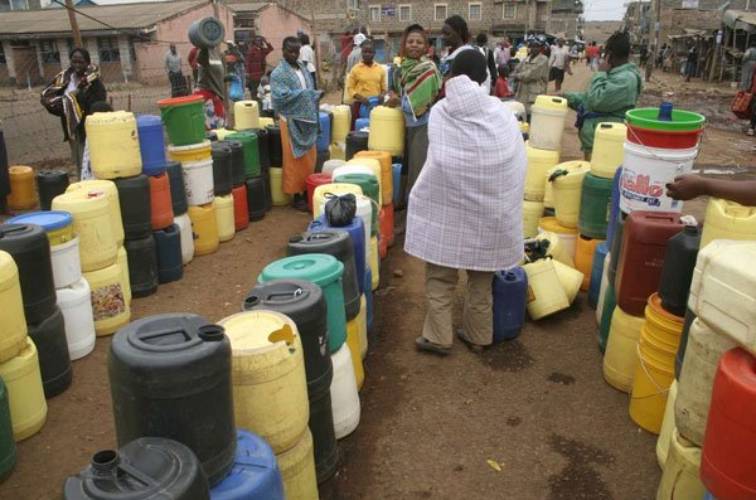
Over the past several articles, we have travelled across a continent connected by water yet divided by access to it. We have seen rapidly growing cities struggling to keep pace with demand. We have examined the informal economies that emerge when public systems fail, creating situations where some of the poorest households end up paying the highest prices for a basic necessity. We have looked at the growing pressures of climate change, from devastating droughts in the Horn of Africa to destructive floods in major urban centres. And we have met innovators, entrepreneurs, engineers, and community leaders attempting to build solutions where existing systems have fallen short.

At first glance, these may appear to be separate stories. Urbanization is one story. Climate change is another. Informal water vendors belong to a different conversation altogether. Yet the more one examines Africa’s water challenges, the more these issues reveal themselves as parts of a much larger narrative. They are all fundamentally questions about who gets access to the resources required to live with dignity.
Water occupies a unique position in society because it touches almost everything. Discussions about economic growth often focus on roads, technology, investment, or industrialization, but every one of these ambitions ultimately depends upon reliable water systems. Cities cannot function without water. Industries cannot operate without water. Agriculture cannot survive without water. Hospitals, schools, businesses, and households all rely upon it. Water is so fundamental that it often disappears from public conversation until something goes wrong.
Yet in many ways, the future of Africa may be shaped by how effectively the continent manages this one resource.
This challenge becomes particularly significant when viewed alongside Africa’s demographic transformation. The continent is urbanizing at an extraordinary pace, as new cities are expanding outward, and existing cities continue absorbing millions of new residents. Infrastructure that was originally designed for much smaller populations is being stretched in ways its planners could never have anticipated. At the same time, climate change is making weather patterns increasingly unpredictable, introducing new uncertainties into systems that were already under strain.
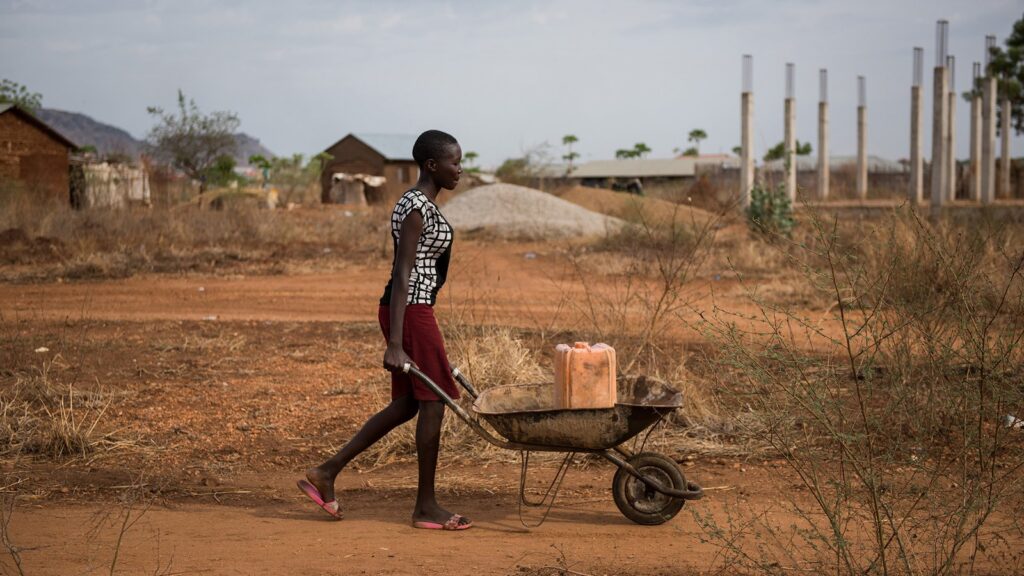
The temptation is to view these trends through a lens of crisis. There is certainly evidence to support that perspective. Climate shocks are becoming more severe: water shortages are becoming more frequent in some regions, and competition over resources is intensifying (some actually argue that water shortage would be the trigger for World War III. What do you think?). Yet focusing exclusively on crisis risks overlooking something equally important: Africa is also becoming a laboratory for adaptation.
Throughout this series, one theme has emerged repeatedly. Wherever there are challenges, there are people responding to them. Communities are restoring watersheds. Entrepreneurs are developing water technologies. Engineers are improving infrastructure. Researchers are generating new knowledge. Local organizations are creating solutions tailored to the realities of the places they serve, and so on. The continent’s water story is a story of resilience and problem-solving, not solely one of scarcity and vulnerability.
What remains uncertain is whether these efforts will be matched by the political will and investment required to address the scale of the challenge.
The future of water in Africa will not be determined by rainfall alone. Nor will it be determined solely by technology. The most important decisions are likely to be political ones. Which communities receive investment? Which infrastructure projects are prioritized? How are water resources allocated between industry, agriculture, and households? How are cities designed as they continue to grow? These questions may sound technical, but they are ultimately questions about values. They reveal whose needs matter, whose voices are heard, and whose futures are being planned for.
Perhaps that is why conversations about water often become conversations about justice.
When a family spends hours each week collecting water while another enjoys uninterrupted supply, the issue is not simply hydrology. When informal settlements remain disconnected from services despite decades of urban growth, the issue is not simply infrastructure. When climate shocks repeatedly devastate communities with the fewest resources to recover, the issue is not simply weather. Beneath each of these realities lies a deeper question about fairness and belonging.
Who gets to participate in the future being built?
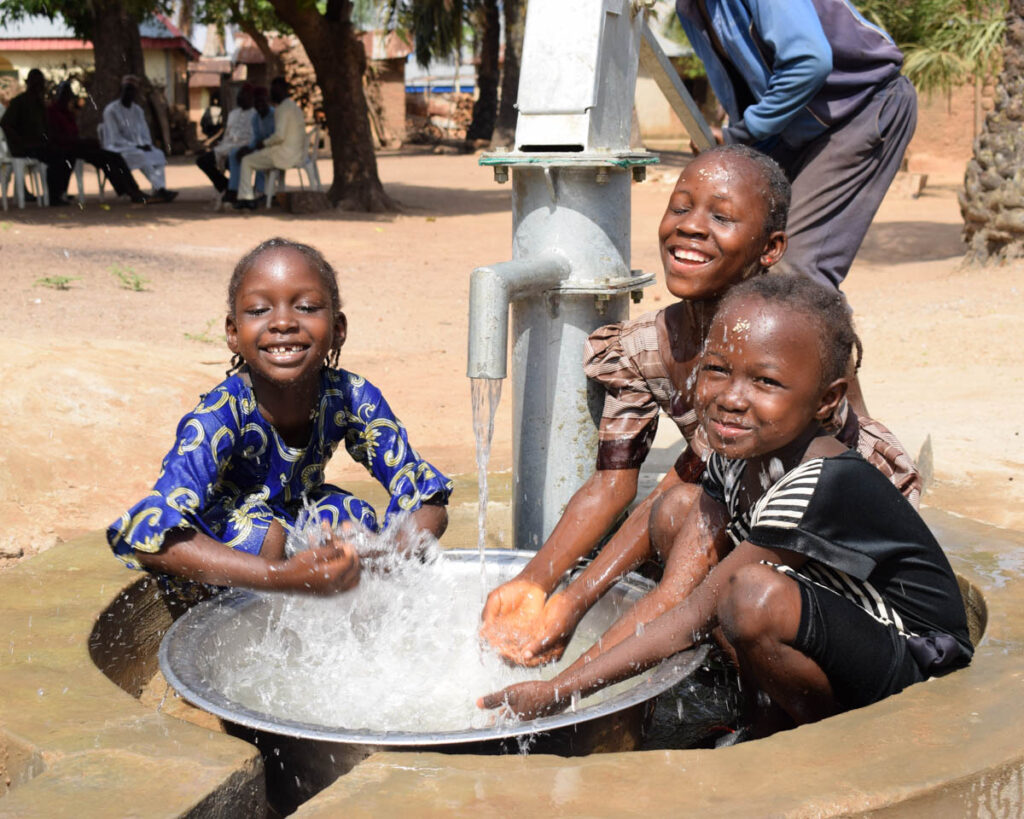
The answer matters because Africa’s future is already taking shape. The decisions being made today will influence how hundreds of millions of people experience water in the decades ahead. Future generations may inherit cities where safe water is affordable, reliable, and universally accessible, or they may inherit systems where access increasingly depends on geography, wealth, and political influence.
Neither outcome is inevitable.
The future remains open.
When I think back to those evenings spent filling containers in our house, I am reminded that water has always been deeply personal. It exists in policies, infrastructure plans, engineering designs, and climate projections, but it also exists in memories. It exists in the routines families develop around scarcity. It exists in the journeys children make carrying jerricans home. It exists in the relief of turning on a tap and seeing water flow, and that is why water matters so much.
RELATED: