Title: From Waste to Wealth: The Startups Powering Africa’s Circular Economy
Njoki Kangethe
Introduction: Beyond Recycling

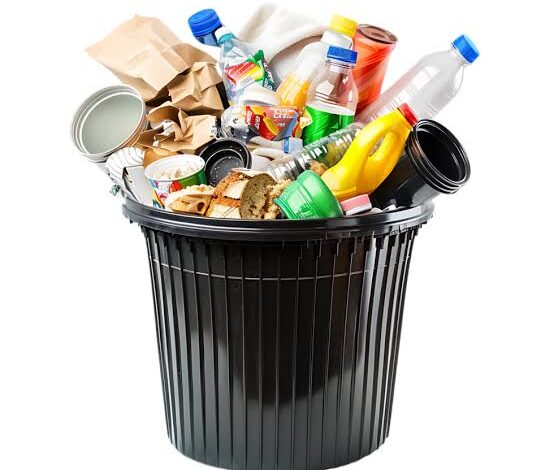
If earlier efforts to address waste in Africa focused on collection and recycling, a more ambitious shift is now underway. Across the continent, a new generation of startups is beginning to rethink waste not as an endpoint, but as part of a continuous system of value creation. What is emerging is a cleaner way of managing cities, and is equally a broader economic transformation that challenges the very idea of waste itself.

This shift is often described as the circular economy: a model in which materials are reused, repurposed, and reintegrated into production systems rather than discarded. While the concept has gained traction globally, its relevance in African cities is particularly striking. In places like Nairobi, Lagos, and Accra, circularity is an economic necessity, shaped by resource constraints, rapid urbanization, and longstanding practices of reuse.

What distinguishes this moment is that circularity is no longer happening informally and in isolation. It is being structured, financed, and scaled.
From Fragmented Practices to Structured Systems

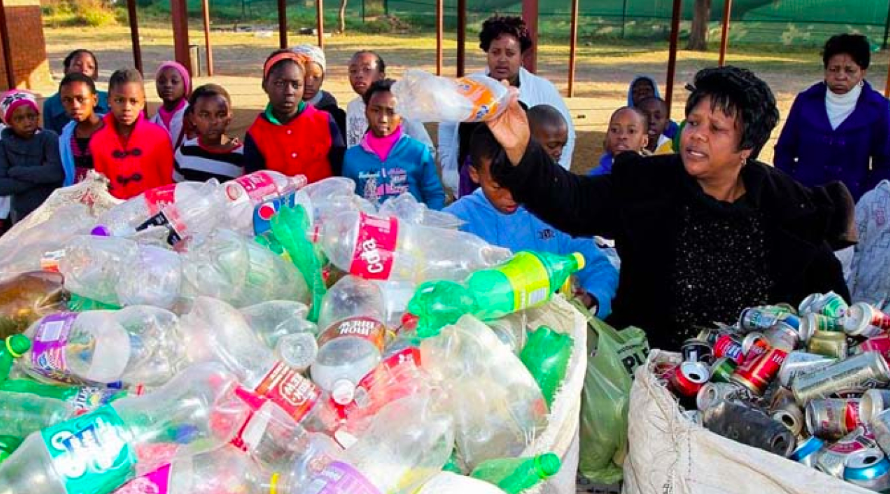
For decades, much of Africa’s waste recovery has been driven by necessity. Informal networks have long collected, sorted, and resold materials, creating a quiet but effective system of reuse that operates largely outside formal recognition. These practices, while fragmented, have formed the foundation of recycling economies across the continent.
What startups are now doing is not inventing circularity from scratch, but formalizing and connecting these existing practices into more structured systems. By organizing supply chains, introducing standards, and leveraging technology, they are transforming what was once dispersed activity into coordinated economic infrastructure.
This transition marks an important shift. Waste is being treated as part of a broader value chain that can extend across industries and even borders, not just a local issue to be managed.
Startups at the Center of the Shift
At the center of this transformation are companies that are redefining how waste is collected, processed, and reintegrated into the economy. In Lagos, Wecyclers has developed a model that combines community-based collection with data-driven logistics, creating a system that not only aggregates recyclable materials but also incentivizes households to participate. By organizing waste at the source, the company strengthens the entire downstream value chain.
In Nairobi, Mr. Green Africa operates at a different scale, linking informal waste collectors to industrial buyers and global brands. Its model demonstrates how local waste streams can be transformed into high-quality inputs for manufacturing, effectively embedding African recycling systems within international supply chains.
Other companies are expanding the scope of what counts as valuable waste. Sanergy, for example, converts organic and human waste into agricultural inputs, creating a circular link between urban sanitation and food production. This approach not only addresses waste management challenges but also contributes to broader questions of food security and soil health.
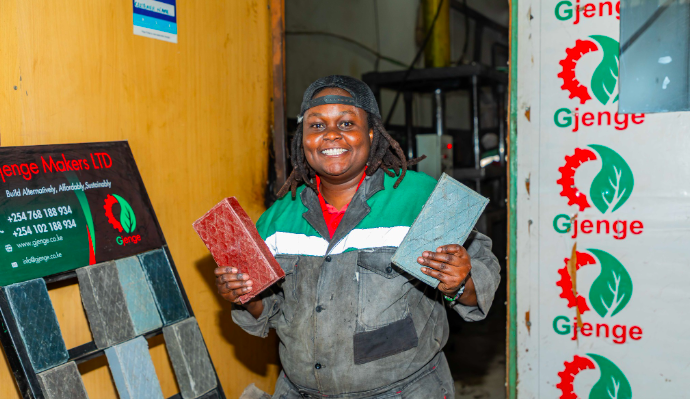
In Accra, Nelplast Ghana is experimenting with the use of recycled plastics in construction materials, illustrating how waste can be reintegrated into entirely different sectors. These innovations highlight the versatility of waste as a resource and the range of possibilities within a circular system.
The Role of Technology and Coordination
One of the defining features of this emerging ecosystem is the use of technology to coordinate complex networks. Waste management involves multiple actors, including households, collectors, transporters, processors, and end-users, and historically, the relationships between them have been fragmented and inefficient.
Digital platforms are beginning to address this challenge by creating systems that connect these actors more effectively. In Nigeria, RecyclePoints uses a points-based model to incentivize recycling while generating data that helps optimize collection and processing. Such platforms are not only improving efficiency but also making waste flows more visible and measurable.
This increased coordination is critical for scaling circular systems. Without it, even the most innovative solutions remain limited in reach.
Constraints and the Challenge of Scale
Despite growing momentum, the circular economy in Africa remains in a formative stage. Many of the startups driving this shift operate within environments that are still constrained by limited infrastructure, inconsistent policy frameworks, and restricted access to capital.
Scaling these models requires more than entrepreneurial ingenuity. It depends on supportive regulatory environments, investment in infrastructure, and the development of stable markets for recycled materials. While demand is increasing, it is not yet uniform, and fluctuations in pricing can affect the viability of recycling businesses.
These challenges underscore an important point: the circular economy cannot be built by startups alone. It requires alignment across multiple systems, including government policy, financial markets, and industrial demand.
Inclusion as a Defining Factor
As this ecosystem evolves, questions of inclusion become increasingly important. Informal waste workers, who have long been central to waste recovery systems, remain a critical part of the value chain. Yet their position within a more formalized, investment-driven sector is not guaranteed.
Some companies are actively working to integrate these workers, offering more stable income and safer working conditions. Others are still developing models that may not fully account for their role. The outcome will shape not only the structure of the industry but also its social impact.
A circular economy that excludes those at its foundation risks reproducing existing inequalities, even as it generates new forms of value.
Conclusion: An Economy in the Making
The shift that is taking shape across Africa from a linear to a circular model represents a rethinking of how value is created, distributed, and sustained. Waste, once viewed primarily as a burden, is being redefined as a resource with the potential to drive new industries and reshape urban economies. Yet this transformation remains incomplete, shaped by both opportunity and constraint.
The future of Africa’s circular economy will depend on how these systems evolve: how they scale, how they are governed, and crucially, who they include. What is clear, however, is that the foundations are already being laid.
The question now is not whether waste can generate value, but how that value will be structured, and who will ultimately benefit from it.
RELATED: