Faith Nyasuguta

The United States House Appropriations Committee has approved a new foreign assistance bill that could significantly reshape how aid is delivered to Nigeria, signalling growing concern in Washington over security challenges and government accountability.
At the heart of the proposal is a provision that would withhold up to 50 percent of US assistance allocated to Nigeria until specific conditions are met. Under the bill, the US Secretary of State must certify that Nigerian authorities are taking “effective steps” to curb violence, protect civilians, and hold perpetrators accountable before the withheld funds can be released.

The measure forms part of the Fiscal Year 2027 National Security, Department of State, and Related Programs appropriations bill, which outlines approximately $47.32 billion in foreign aid spending. This represents a reduction from the previous year and reflects a broader shift toward stricter oversight and conditional funding in US foreign policy.

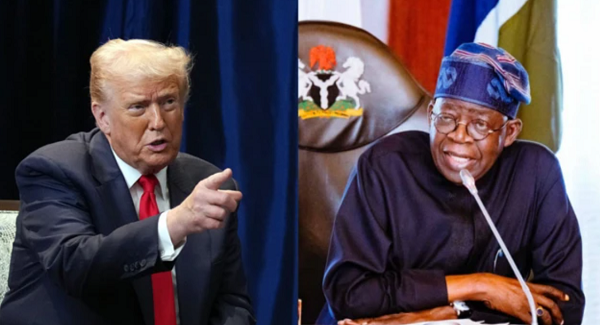
Although the legislation does not specify a fixed amount earmarked for Nigeria, its implications are substantial. Lawmakers have tied the new restrictions to ongoing insecurity across the country, including attacks by militant groups and violence affecting vulnerable communities. Particular concern has been raised around civilian protection and the need for justice for victims.

Beyond security benchmarks, the bill introduces additional requirements aimed at increasing Nigeria’s responsibility in aid implementation. It calls for a co-financing approach, meaning the Nigerian government would need to match US contributions to certain programmes with its own funding. This “shared burden” model is designed to ensure greater domestic investment and accountability.
The legislation also mandates that Nigerian authorities prioritise assistance to victims of violence, especially internally displaced persons. It encourages efforts to support safe returns to affected communities and to rebuild infrastructure damaged by conflict. At the same time, it calls for more robust investigations and prosecutions related to armed groups operating within the country.

In a further sign of tightening oversight, the bill places Nigeria under enhanced congressional scrutiny. If enacted, the US administration would be required to notify Congress at least 15 days before committing funds to Nigeria, aligning it with countries subject to heightened monitoring due to governance or security concerns.
A statement from lawmakers emphasized that the goal is to ensure foreign assistance promotes accountability and protects vulnerable populations, including communities affected by religious and communal violence. However, Nigerian officials have consistently pushed back against characterisations that frame the country’s security challenges as primarily driven by religious persecution. Instead, authorities point to a complex mix of terrorism, banditry, and local conflicts as the root causes.
The broader appropriations bill includes major funding allocations across global priorities, such as national security programmes, counter-terrorism efforts, and international law enforcement initiatives, with a portion directed toward African countries.
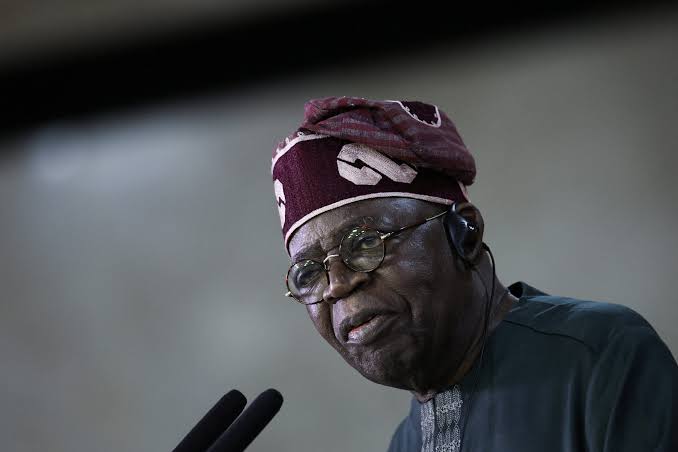
Despite its significance, the proposal is not yet law. It must still pass both chambers of the US Congress and receive presidential approval before it can take effect. Nevertheless, its passage through committee marks a clear indication of shifting attitudes in Washington toward Nigeria and potentially other countries facing prolonged instability.
If ultimately approved, the bill could redefine the terms of Nigeria-US engagement, placing greater emphasis on measurable outcomes, shared financial responsibility, and stricter accountability in the use of foreign aid.
RELATED: