Wayne Lumbasi

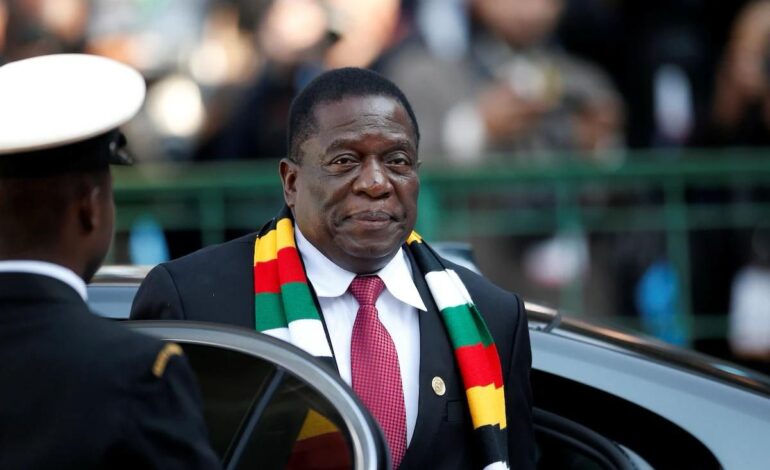
Zimbabwe’s President has promoted his son, from the rank of Major to Lieutenant Colonel in the Zimbabwe National Army. The promotion forms part of a broader round of advancements involving nine senior officers across the country’s armed forces.
Sean Mnangagwa serves within the elite Presidential Guard, a specialized military unit tasked with the protection of the head of state and key national institutions. This unit is considered one of the most strategically important divisions within the army, given its direct responsibility for presidential security and stability at the highest level of government. His elevation to Lieutenant Colonel places him in a more senior command position within this structure, potentially expanding his operational responsibilities and influence.

According to Zimbabwean state media, the latest promotions are part of routine career progression within the military, aimed at strengthening leadership capacity and maintaining the effectiveness of the armed forces. Such promotions typically follow internal assessments, years of service, and professional training within the military system.

However, the inclusion of the president’s son in this list has drawn widespread public attention, with many closely observing how leadership and advancement are managed within key state institutions. The development has contributed to broader national conversations about governance, institutional independence, and the intersection between political leadership and military structures.

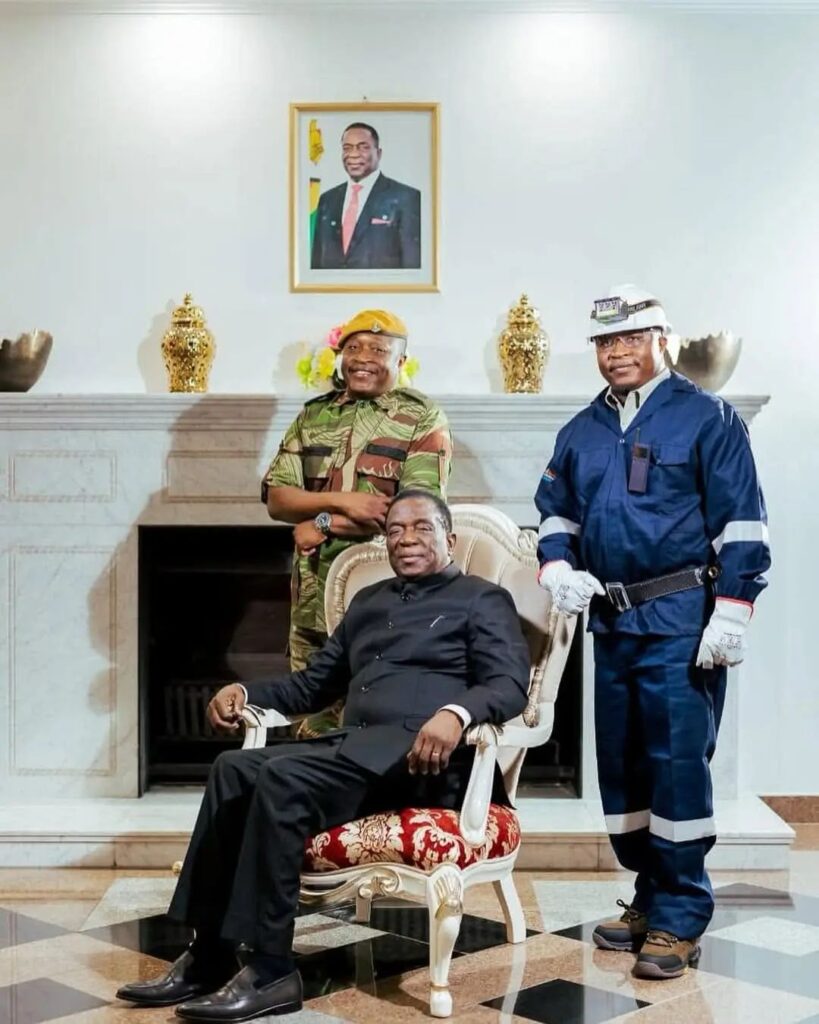
Zimbabwe’s history adds further context to the significance of military appointments and promotions. The armed forces have played a pivotal role in the country’s political landscape, most notably during the 2017 Zimbabwean coup, which led to the end of former President ’s decades-long rule and ushered in Emmerson Mnangagwa’s presidency. Since then, the relationship between the military and political leadership has remained a subject of close public and international observation.
Supporters of the promotion highlight that Sean Mnangagwa is a trained military officer who has served within the ranks and progressed through the system. They also point out that his promotion was not isolated, as it occurred alongside those of other officers, reflecting a broader restructuring within the army.

At the same time, the development continues to spark discussion across Zimbabwean society about transparency, merit, and accountability in state institutions. Military promotions, especially those involving individuals closely connected to national leadership , tend to carry added weight, given their potential implications for power dynamics and governance.
As Zimbabwe moves forward, such decisions are likely to remain under public scrutiny, reflecting the ongoing interest in how the country’s political and military institutions evolve and interact.
RELATED: