Wayne Lumbasi
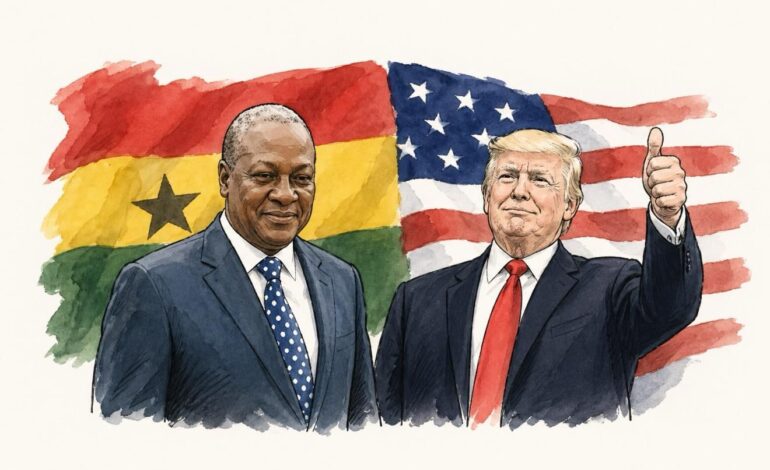
The Government of Ghana has formally declined a proposed $109 million bilateral health agreement with the United States, marking a significant shift in the diplomatic relations between the two nations. The decision followed months of high-level negotiations regarding the America First Global Health Strategy, a new framework intended to restructure how international medical assistance is delivered.
While the deal promised substantial funding for infectious disease control, it ultimately collapsed due to non-negotiable clauses regarding the management of national health data and the specific terms of the partnership.

Central to the deadlock was the issue of data sovereignty, as Ghanaian officials raised alarms over provisions that would have granted the United States government access to sensitive population level health records. The Ministry of Health and national security advisors reportedly determined that the risks to citizen privacy and digital autonomy outweighed the financial incentives of the five year pact.

This pushback comes as several other African nations, including Zambia and Zimbabwe, have expressed similar reservations about the transparency of the new aid model and its requirements for granular data sharing.


The financial structure of the deal also represented a departure from traditional aid, emphasizing a co-investment model that required Ghana to commit its own domestic resources to unlock American funding. With a firm deadline of April 24, 2026, set by negotiators to finalize the agreement, the pressure to sign was described by insiders as intense.
However, the decision in Accra signals a growing trend toward self-reliance and a refusal to accept aid terms that are perceived as infringing upon national interest. The government is now tasked with identifying alternative funding streams to maintain its critical programs for HIV/AIDS, malaria, and tuberculosis.

This development reflects a broader regional challenge to the overhauled American foreign aid framework, which emerged following the dismantling of the U.S. Agency for International Development earlier this year. As of late April, while thirty two nations have signed on to the new strategy, the resistance from key West African partners highlights an increasing tension between international aid requirements and national data protection laws.
For Ghana, the rejection underscores a commitment to protecting the digital privacy of its citizens, even at the cost of significant external health funding.
RELATED: