Wayne Lumbasi

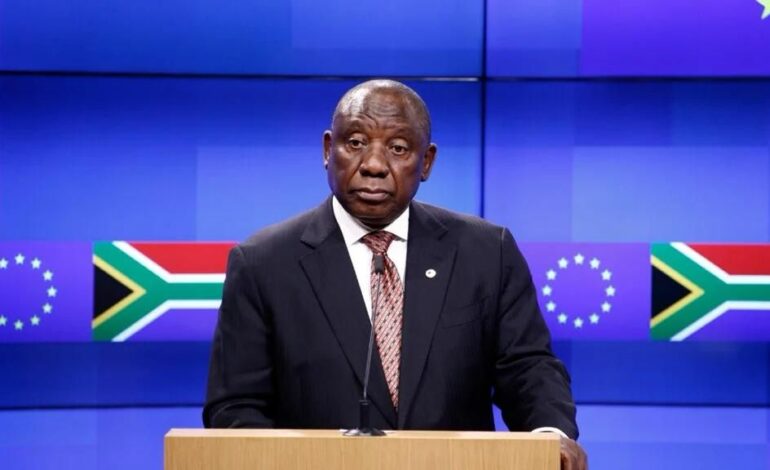
Cyril Ramaphosa has warned that growing concerns over illegal immigration must not turn into hostility toward foreign nationals, urging South Africans to remember the solidarity the country received from other African nations during its struggle against apartheid.
Speaking during celebrations marking Freedom Day on April 27, Ramaphosa called on citizens to uphold the African principle of ubuntu and reflect on the country’s shared history with the rest of the continent. The day commemorates South Africa’s first democratic elections in 1994, a defining moment that ended decades of institutionalized racial segregation under Apartheid.

In his address, Ramaphosa reminded South Africans that the country’s liberation struggle was not fought in isolation. Many African nations opened their borders to South African exiles, hosted liberation movements, and offered diplomatic and material support during the years of apartheid. According to the president, that solidarity from across the continent played a crucial role in sustaining the anti-apartheid movement and eventually helping South Africa achieve freedom and democracy.

He emphasized that remembering this history is essential at a time when tensions over immigration have become increasingly visible in parts of the country. Ramaphosa acknowledged that many communities are concerned about undocumented migration and the pressures it can place on jobs, housing and public services. However, he stressed that such concerns should not translate into prejudice or hostility toward foreign nationals who are living and working in the country.

The president said the government remains committed to strengthening immigration management and ensuring that the country’s laws are respected. Efforts are underway to address weaknesses in the immigration system, including tackling corruption, improving border management and enforcing regulations against businesses that employ undocumented workers. At the same time, Ramaphosa emphasized that these challenges must be handled through lawful processes and institutional action.
He cautioned that no individual or group has the right to take the law into their own hands. Vigilante actions and community-driven crackdowns on migrants, he warned, threaten public safety and undermine the rule of law. South Africa’s democratic institutions, he said, must remain the primary channels for addressing immigration concerns.

Ramaphosa also noted that foreign nationals who live legally in South Africa are expected to respect the country’s laws, traditions and cultural values. In return, he said, they deserve to be treated with dignity and fairness, in line with the constitutional principles that define South Africa’s democracy.
Addressing the issue of xenophobia more directly, the president warned that rising anti-immigrant sentiment risks eroding the social cohesion that has been central to the country’s democratic journey. Xenophobic violence and discrimination, he said, contradict the ideals of unity and reconciliation that emerged after the end of apartheid and threaten to divide communities.
He added that hostility toward foreign nationals also damages South Africa’s relationships with other African countries that once supported its liberation struggle. Ramaphosa stressed that South Africa has a responsibility to uphold the values of solidarity and cooperation that have long shaped the continent’s political and historical ties.
The president urged South Africans to reject xenophobia and instead embrace the spirit of ubuntu, a philosophy that emphasizes shared humanity, compassion and mutual respect. According to Ramaphosa, the principle of ubuntu should guide how citizens interact with one another as well as with migrants and visitors from other parts of Africa and the world.
He concluded by calling on citizens to reflect on the deeper meaning of Freedom Day, saying the anniversary is not only a celebration of the past but also a reminder of the values that must guide the country’s future. Protecting human dignity, maintaining unity and rejecting discrimination, he said, are essential to preserving the democratic ideals that South Africans fought so hard to achieve.
RELATED: