Wayne Lumbasi

Rwanda continues to solidify its position as the global gold standard for gender equality in governance. As of April 2026, the nation remains the undisputed leader in political inclusivity, being the only country in the world where women hold a commanding majority in the lower house of parliament. This achievement far outpaces the global average and serves as a primary benchmark for international development.
According to the latest 2026 data from the Inter-Parliamentary Union and UN Women, Rwanda’s Chamber of Deputies currently boasts a 63.8% female representation. This milestone keeps the nation at the top of a selective group of countries including Cuba, Nicaragua, and Bolivia that have achieved parity or a female majority.

While the global average for women in national parliaments has moved upward to approximately 27.5% this year, Rwanda’s figures remain a significant outlier, highlighting a decades-long commitment to institutionalizing equality.

Political analysts attribute this sustained success to a deliberate strategy that began during the post-1994 reconstruction. While the 2003 Constitution established a 30% gender quota, the reality on the ground has consistently exceeded that legal floor. This success is driven by high-level political will, where the executive branch ensures gender parity in the Cabinet, and the rigorous oversight of the Gender Monitoring Office (GMO), which tracks the impact of these policies across health, education, and land rights.

Rwanda’s success has created a powerful demonstration effect across the African continent and the Global South. Nations such as Senegal, South Africa, and Namibia have increasingly looked to the Rwandan model to refine their own legislative frameworks. By proving that gender parity is a deliberate choice rather than an accidental byproduct of economic growth, Rwanda has challenged the traditional narrative that social progress is reserved solely for high-income Western nations.
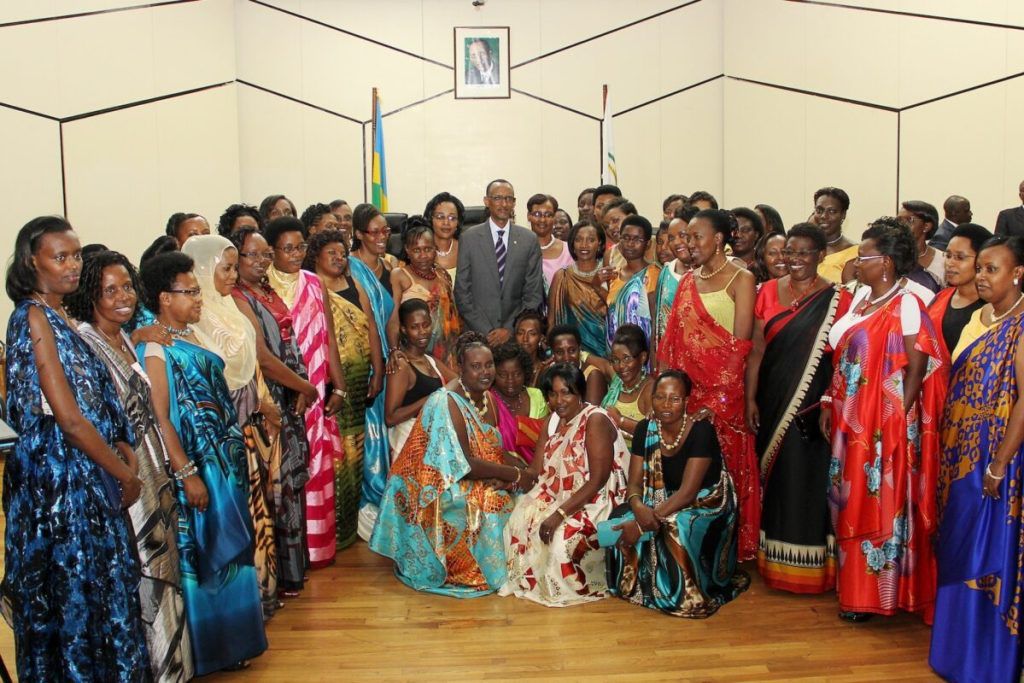
As the 2026 legislative sessions move forward, the focus in Kigali is shifting from simple representation to measurable impact. Female parliamentarians are currently leading major legislative efforts in the digital economy and climate resilience sectors. This evolution ensures that their majority status is not just a point of pride in the rankings, but the primary engine driving the nation toward its “Vision 2050” development goals.

Beyond the halls of parliament, this commitment to equity has filtered down to the local and community levels, where women now lead a significant portion of district councils and administrative units. This grassroots involvement is crucial, as it ensures that policy decisions regarding infrastructure, local commerce, and social services are informed by the lived experiences of women across the country. By empowering women at the local level, Rwanda is cultivating a deep leadership pipeline that ensures the sustainability of its national gender statistics for decades to come.
The economic implications of this political shift are equally profound, as the Rwandan legislature has moved to dismantle many of the traditional barriers to female financial independence. In recent years, laws governing land inheritance and property rights have been aggressively reformed to ensure women have equal access to capital and collateral. These legislative victories are a direct result of having a female majority that prioritizes the economic empowerment of the household as a cornerstone of national stability and poverty reduction.
Furthermore, Rwanda is increasingly utilizing its global standing to advocate for similar reforms on the international stage, particularly within the African Union and the Commonwealth. By hosting global summits on gender and technology, Kigali has positioned itself as a diplomatic hub for “feminist foreign policy” in the Global South. This international outreach is not just about prestige; it is a strategic effort to harmonize regional trade and labor laws, making it easier for women-led businesses to scale across borders and compete in the global market.
Looking toward the end of the decade, the challenge remains to ensure that these quantitative gains lead to even deeper qualitative shifts in social norms. While the numbers in parliament are world-leading, the next phase of the Rwandan model involves bridging the gap in specialized sectors like STEM and high-level corporate management.
As the nation pivots toward a knowledge-based economy, the focus is now on ensuring that the same parity seen in political governance becomes the standard in every boardroom and laboratory across the country.
RELATED: