Faith Nyasuguta
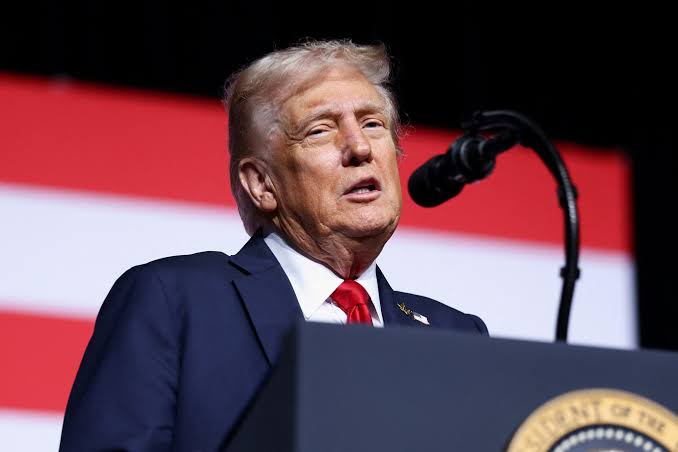
The administration of U.S. President Donald Trump is weighing a controversial expansion of its refugee admissions policy, with internal discussions focused on increasing the number of white South Africans eligible to resettle in the United States.
According to officials familiar with the matter, policymakers are considering raising the current refugee cap by an additional 10,000 slots, on top of the existing 7,500 limit set for the 2026 fiscal year. The move would significantly widen access under a programme that has already drawn global attention for its narrow focus.

At the centre of the policy is a prioritisation of Afrikaners – a white ethnic minority in South Africa. The programme was introduced shortly after Trump returned to office in January 2025, when he moved to pause most refugee admissions globally, effectively reshaping the system to focus on a specific group.
The latest discussions signal a potential shift in scale.
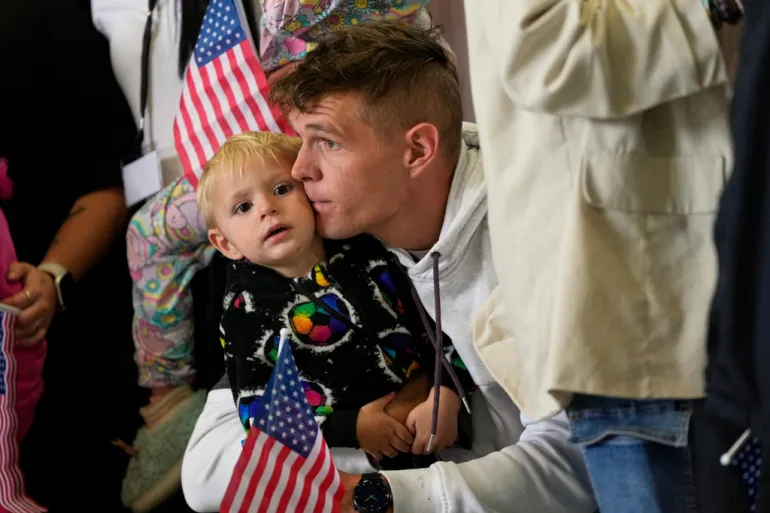
While only around 2,000 white South Africans had been admitted into the U.S. under the programme by the end of January 2026, officials say processing has picked up pace in recent months. Internal planning documents suggest that monthly intake targets could climb as high as 4,500 individuals, reflecting a broader push to accelerate resettlement.
This comes after a series of policy steps taken over the past year. Following initial restrictions on refugee admissions, the administration formalised a 7,500-person cap in February 2026. Around the same time, U.S. and South African officials reportedly reached a private understanding to allow the programme to continue, despite mounting criticism and diplomatic sensitivities.
Now, the possibility of expanding that ceiling is back on the table.
Speaking at a recent policy forum, Assistant Secretary of State Andrew Veprek confirmed that officials are reviewing whether the current cap aligns with “the pace of resettlement,” hinting that adjustments could follow. However, no final decision has been announced.
The debate highlights a significant departure from the traditional role of the U.S. refugee system. Established in 1980, the programme has historically been designed to support individuals fleeing war, persecution, and humanitarian crises across the globe. The current approach, however, narrows that focus – placing a specific demographic group at the centre of admissions.
That shift is unfolding against the backdrop of South Africa’s post-apartheid reality, where Black South Africans make up the vast majority of the population, while white South Africans account for roughly 7%, according to recent census data.
As discussions continue, the proposed expansion is expected to remain highly contentious. It touches on broader questions around how refugee priorities are set, the balance between humanitarian principles and political considerations, and the implications for global migration policy.
For now, the administration appears to be recalibrating its approach – balancing domestic policy goals with international scrutiny, as it considers whether to significantly widen a programme that has already sparked debate far beyond U.S. borders.
RELATED: