Faith Nyasuguta

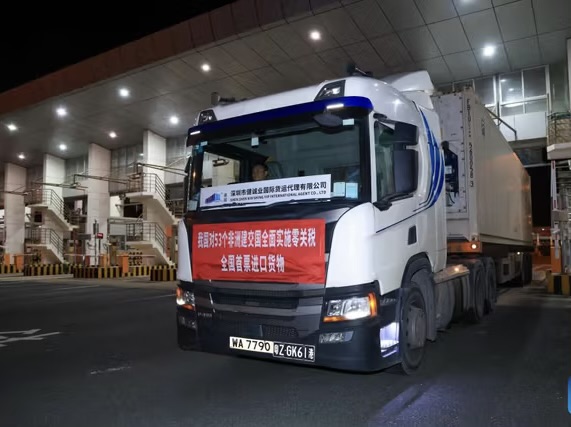
A new chapter in Africa-China trade has begun, with South Africa becoming the first to export goods under China’s expanded zero-tariff policy. A 24-tonne shipment of South African apples has successfully entered the Chinese market tariff-free, marking the rollout of a sweeping initiative aimed at transforming trade dynamics between the two regions.
The policy, which took effect on May 1, extends zero tariffs to imports from all 53 African countries that maintain diplomatic relations with China. Previously, such benefits were limited to least-developed nations, but the new expansion signals a broader effort by Beijing to deepen economic ties across the continent.

For the apple shipment, the immediate impact was clear. Tariffs that previously stood at around 10 percent were reduced to zero, significantly boosting the product’s competitiveness in one of the world’s largest consumer markets. The consignment cleared customs in Shenzhen and is now making its way into retail and wholesale channels across China.

This development is particularly significant given the historical structure of Africa’s exports to China. Trade has long been dominated by resource-rich nations such as Angola and the Democratic Republic of the Congo, with shipments heavily concentrated on crude oil, copper, cobalt, and other raw materials. Agricultural exports, despite Africa’s vast potential, have remained underrepresented.

China’s new zero-tariff framework is designed to change that narrative. By removing barriers on agricultural and processed goods, the policy encourages African countries to diversify their export portfolios. Products such as fresh fruits, cocoa derivatives, and manufactured goods are expected to gain traction as countries tap into new opportunities.
For nations like South Africa, Kenya, and Ghana, this presents a strategic opening to scale non-resource exports and reduce dependence on commodity-driven trade. The move could also stimulate local industries, create jobs, and enhance value addition within African economies.

From China’s perspective, the policy serves multiple objectives. It strengthens diplomatic relationships, secures access to agricultural imports, and helps diversify supply chains amid global trade uncertainties. At the same time, it reinforces China’s economic footprint in Africa, particularly as competition with Western partners for influence on the continent intensifies.
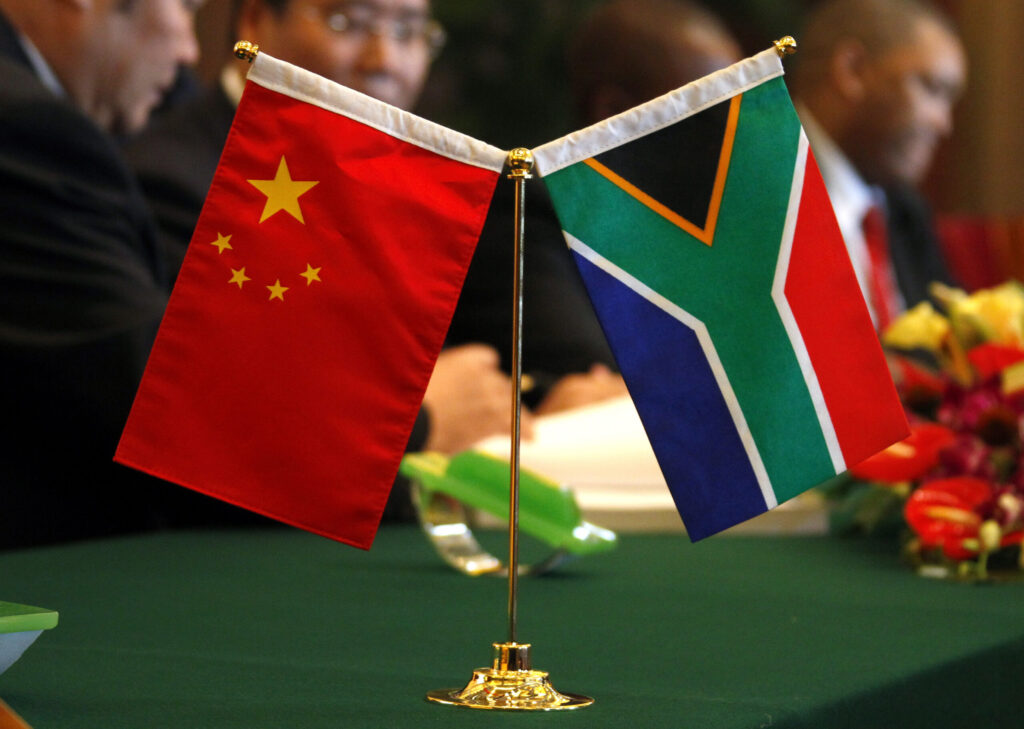
Trade between China and Africa has already surpassed $280 billion annually, making China the continent’s largest trading partner. With the introduction of zero tariffs across a broader range of countries and products, that relationship is expected to deepen further.
If effectively utilized, this policy could mark a turning point in Africa’s global trade position – shifting it from a primary supplier of raw materials to a more diversified and competitive exporter in global markets.
RELATED: