Wayne Lumbasi

President William Ruto has ordered a crackdown on foreign nationals operating small scale businesses in Kenya, directing authorities to begin enforcement action from Monday, September 7, 2026.
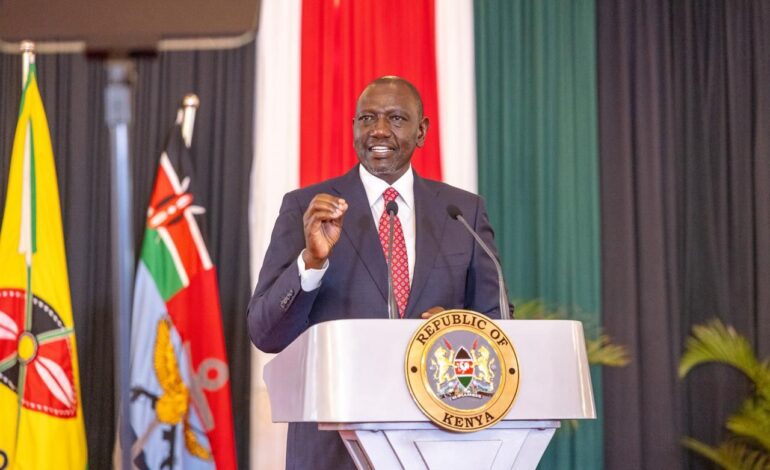
Ruto issued the directive on Wednesday, September 2, while addressing Micro, Small and Medium Enterprises (MSMEs) at State House in Nairobi. He said businesses such as hawking and small retail shops should be reserved for Kenyan citizens and warned foreign nationals involved in such activities to shut down.

The President directed Trade Cabinet Secretary Lee Kinyanjui to begin the enforcement exercise upon his return from Addis Ababa. He also instructed National Assembly Majority Leader Kimani Ichung’wah to help accelerate legislation that would provide a legal framework for restricting foreign participation in selected small scale businesses.

Ruto said the government had worked to improve Kenya’s economic environment, including stabilising the exchange rate, lowering inflation and rebuilding investor confidence. However, he argued that these efforts were intended to attract investors capable of establishing enterprises, creating jobs and expanding production, rather than foreigners competing with Kenyans in low capital businesses.

“We have not built investor confidence so that hawkers can come to Kenya,” Ruto said, stressing that Kenya remained open to foreign investment but wanted such investment to contribute to employment and economic growth.
The President also pointed to a Bill currently before Parliament that seeks to establish areas of economic activity that would be reserved for Kenyan citizens. The proposed Local Content Bill, 2025, would provide a broader legal framework for determining the businesses in which foreign nationals could be restricted from participating.

Ruto called for the legislation to be strengthened to prevent loopholes that could allow foreigners to continue operating in sectors intended for Kenyan entrepreneurs. He directed government officials to engage traders and other stakeholders as Parliament considers the proposed law.
The directive follows complaints from local traders who say foreign nationals have increasingly entered small scale commerce and competed directly with Kenyan hawkers and shopkeepers. Some traders have specifically raised concerns over foreigners selling merchandise such as duvets and other goods directly to consumers.
The government maintains that the move is aimed at protecting opportunities for Kenyan entrepreneurs, particularly young people and traders operating at the bottom of the economic pyramid. Ruto has also urged Kenyan businesses to move beyond buying and selling and invest more in manufacturing and production.
The President’s announcement, however, has already generated debate over how the government will distinguish between legitimate foreign investment and small scale commercial activity. A former MP has criticised the plan, adding to the growing discussion over the treatment of foreign traders in Kenya.
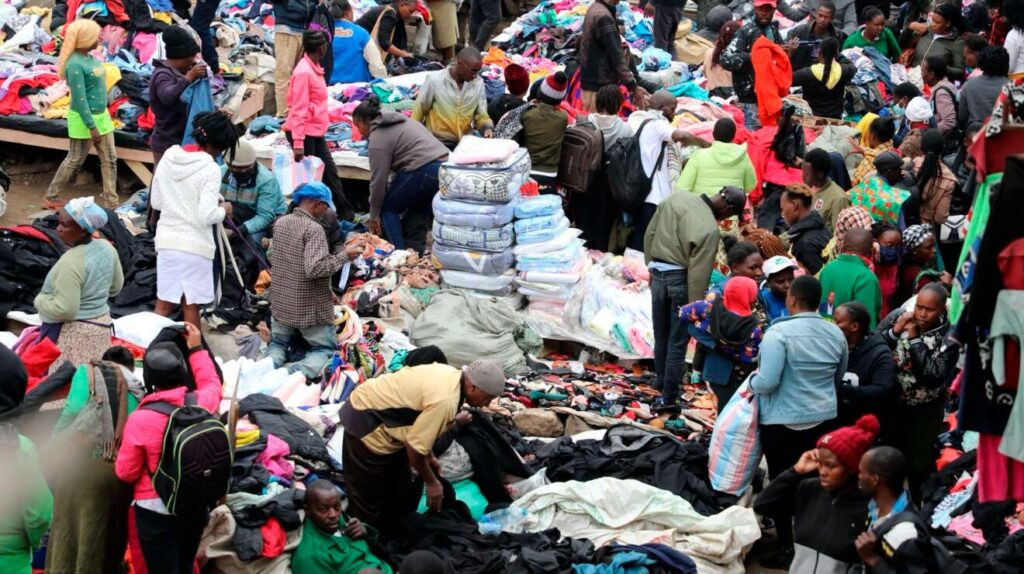
The crackdown also comes days after Kenyan traders protested against an increase in the minimum customs benchmark for consolidated 40 foot containers, with traders warning that higher import costs could put additional pressure on small businesses.
The government says Kenya will continue welcoming foreign capital, but Ruto wants foreign investors to participate in areas that expand production, create employment and strengthen the economy.
The immediate focus now shifts to September 7, when enforcement against foreign nationals operating targeted small scale businesses is expected to begin, as Parliament considers legislation that could give the restrictions a permanent legal foundation.
RELATED: