Njoki Kangethe

FROM COCOA TO CHOCOLATE: WHY AFRICA EXPORTS WEALTH AND IMPORTS VALUE
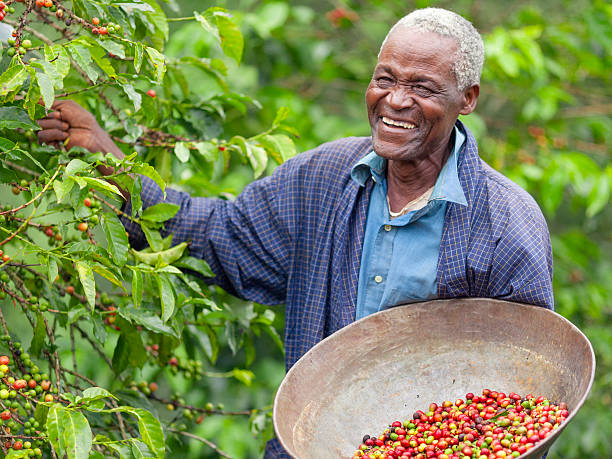
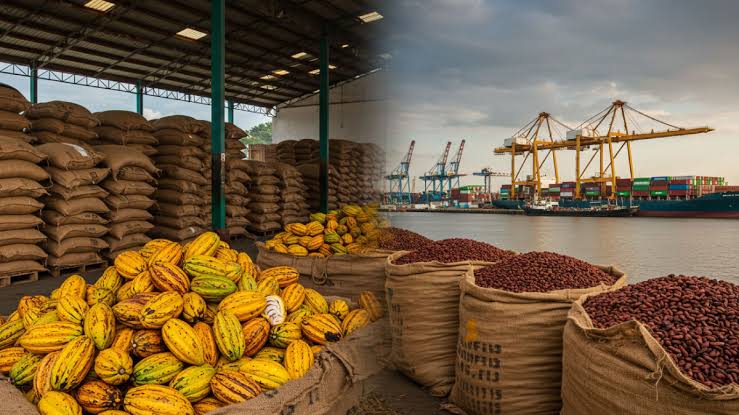
The journey of a chocolate bar begins long before it reaches a supermarket shelf. It starts on a cocoa farm, perhaps in Côte d’Ivoire or Ghana, where farmers carefully harvest ripe cocoa pods by hand before fermenting and drying the beans under the African sun. From there, the beans begin a journey across continents. They are shipped to factories in Europe or North America, where they are roasted, ground, refined, mixed with sugar and milk, packaged into attractive wrappers and sold as premium chocolate products around the world.

By the time that chocolate bar reaches a consumer, its value has multiplied many times over. Yet the farmers who grew the cocoa often receive only a small fraction of that final retail price. This pattern is not unique to cocoa. Across Africa, countries export coffee beans but import premium roasted coffee. They export raw cashew nuts only to buy back processed kernels at higher prices. Cotton leaves the continent in bales before returning as finished clothing, while tropical fruits are exported fresh and imported later as juices, concentrates or packaged snacks. The continent produces many of the raw materials that sustain global food industries, yet much of the economic value is created elsewhere. This is one of the defining characteristics of Africa’s place in the global economy, and one of the greatest obstacles to building resilient food systems.

In part four, we explored how climate change is reshaping African agriculture, making farming increasingly unpredictable and highlighting the need for more resilient food systems. But even when farmers overcome droughts, floods and shifting seasons to produce successful harvests, another challenge awaits. Growing food is only the beginning of the value chain. The greatest economic rewards often lie in processing , manufacturing, branding and marketing.
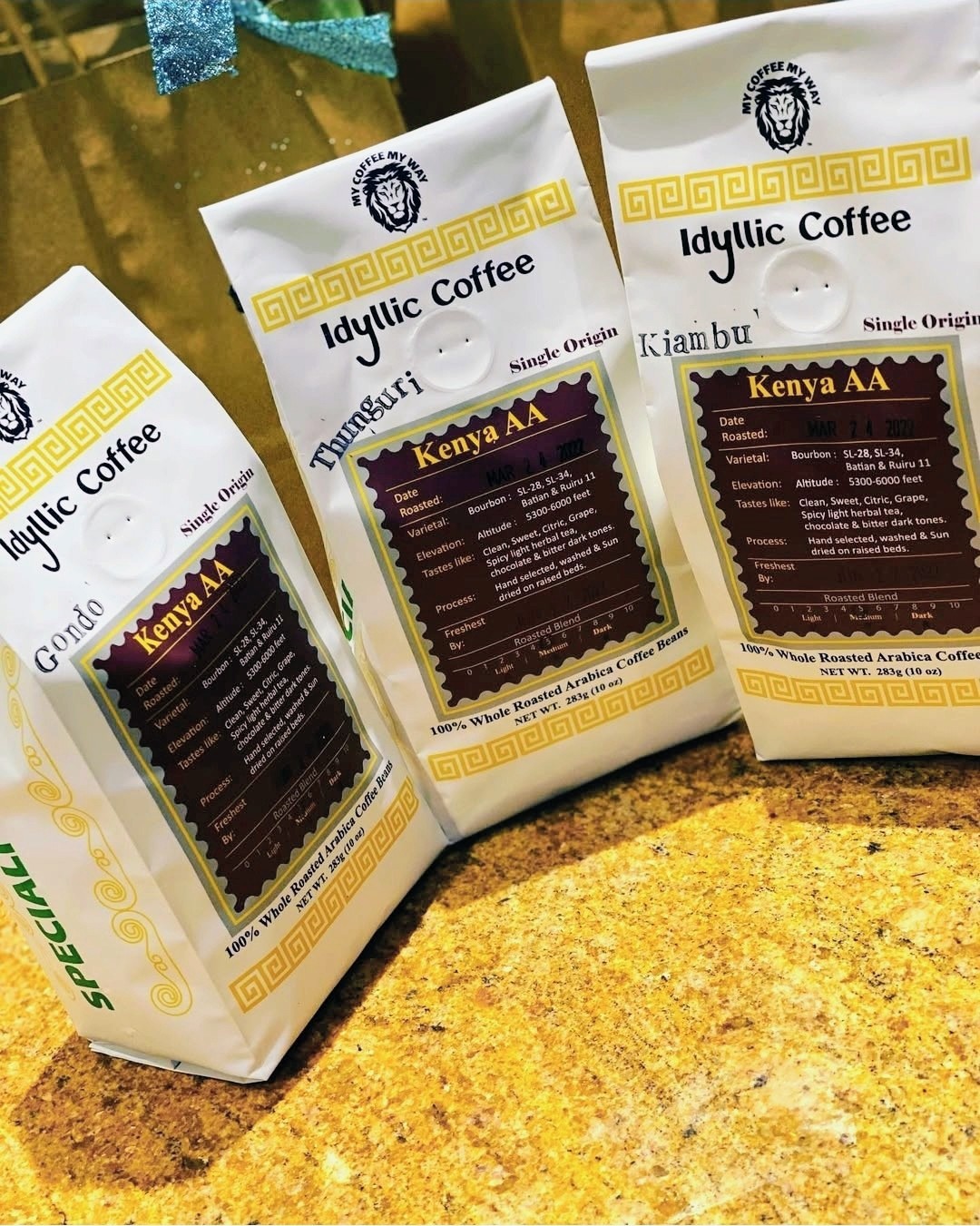
Value addition simply means increasing the worth of a product before it reaches consumers. Sometimes this involves processing raw agricultural commodities into finished products. At other times, it means packaging, branding or transforming crops into higher-value goods that generate greater returns. A kilogram of roasted and packaged coffee, for example, commands a significantly higher price than the same quantity of unprocessed coffee beans. A chocolate manufacturer earns considerably more from finished chocolate than a farmer earns from selling raw cocoa.
For decades, much of Africa has remained concentrated at the lowest end of these value chains. This pattern is rooted partly in history. During the colonial period, many African economies were deliberately structured around the extraction and export of raw materials for industries elsewhere. Railways were built to transport commodities from farms and mines to ports, rather than connecting regional markets or supporting domestic manufacturing. Independence brought political change, but transforming economic structures has proved far more difficult. Many countries continue to rely heavily on exporting unprocessed agricultural commodities whose prices fluctuate according to global markets.
The consequences extend far beyond lost export earnings. Processing agricultural products creates jobs, not only in factories, but throughout entire supply chains involving packaging, transport, logistics, quality assurance, engineering, marketing and retail. It stimulates industrial growth, generates tax revenues and reduces dependence on imported finished goods. In other words, value addition does far more than increase the price of a commodity. It multiplies economic opportunities.
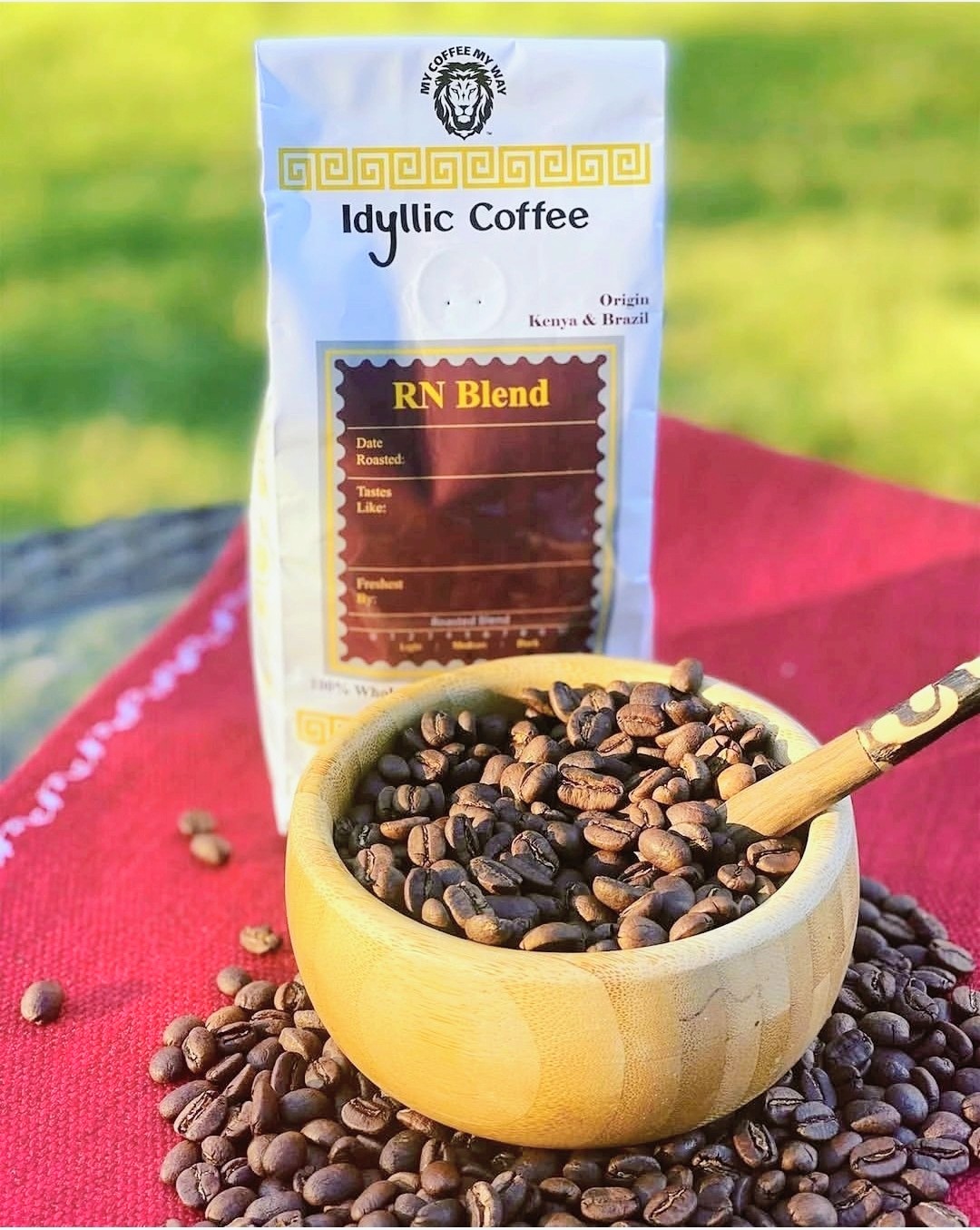
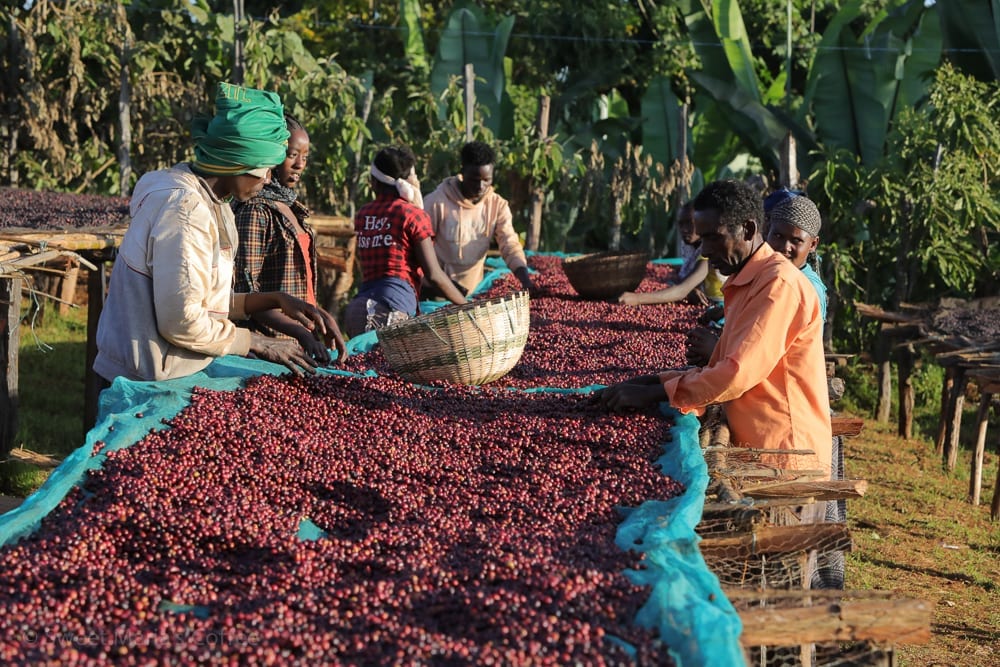
Coffee provides a compelling example. Ethiopia is internationally celebrated as the birthplace of coffee and remains one of the world’s leading producers of high-quality Arabica beans. Yet for decades, much of its coffee was exported in raw form, leaving roasting and branding to companies overseas. Today, however, a growing number of Ethiopian businesses are roasting, packaging and marketing premium coffee under local brands, capturing more value within the country while introducing consumers to products that tell the story of their origin. Similar transitions are beginning to emerge elsewhere across the continent as entrepreneurs recognise that Africa should increasingly sell the finished experience.
The cashew industry tells a similar story. Several West and East African countries are among the world’s leading producers of raw cashew nuts, yet for many years, most of these nuts were exported to Asia for shelling, processing and packaging before entering international markets. As a result, countries that grew the crop earned relatively little from the final product compared with those responsible for processing it. Increasing investments in local processing facilities are beginning to change that equation, creating employment while allowing producing countries to retain a larger share of the value generated by their own agricultural resources.
The same opportunity exists across countless agricultural commodities. Mangoes can become dried fruit, juices and jams. Tomatoes can be transformed into sauces and pastes. Milk can be processed into cheese, yoghurt and powdered dairy products with longer shelf lives. Even agricultural waste can generate additional value through compost, animal feed, bioenergy and biodegradable packaging materials. Every stage of processing represents another opportunity for income, employment and industrial development.
Yet expanding value addition is not simply a matter of building more factories. Agro-processing depends on reliable electricity, efficient transport networks, adequate water supplies and consistent access to finance. Manufacturers require stable policy environments, skilled labour and markets large enough to justify investment. These are precisely the foundations that many African countries continue to strengthen as they pursue industrialisation.
The African Continental Free Trade Area (AfCFTA) offers an important opportunity in this regard. By reducing barriers to trade across the continent, it has the potential to create a larger market for processed agricultural products, encouraging businesses to invest in manufacturing that serves not just one country, but an integrated continental economy. A juice processor in Kenya, for instance, could increasingly serve consumers in neighbouring markets without facing the same trade barriers that have historically fragmented African commerce.
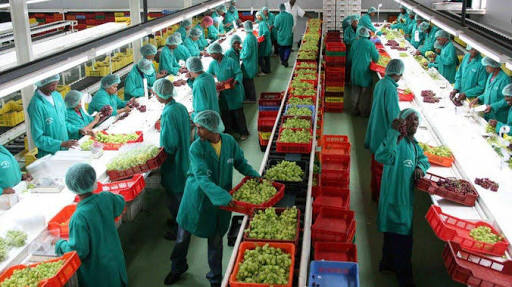
Despite these challenges, there are encouraging signs that Africa’s role in global agricultural value chains is beginning to evolve. Across the continent, governments are investing in agro-industrial parks, entrepreneurs are launching food processing businesses and consumers are increasingly embracing locally manufactured products. These developments may appear incremental, but together they signal a broader shift from exporting raw commodities towards building industries capable of capturing greater value within Africa itself.
The transformation, however, will require more than ambition. Agro-processing is only as strong as the systems that support it. A fruit processing factory cannot operate without reliable electricity. A dairy processor depends on cold chains that keep milk fresh from the farm to the factory. Food manufacturers need roads that move raw materials efficiently, ports that facilitate exports and financial institutions willing to invest in businesses whose returns may take years to materialise. When any one of these links is weak, the entire value chain suffers.
This is why discussions about value addition cannot be separated from broader conversations about infrastructure and industrial policy. For decades, many African economies have prioritised increasing agricultural production while paying comparatively less attention to what happens after harvest. Yet processing is where agriculture meets industry, creating opportunities that extend far beyond the farm. It provides employment for engineers, food scientists, machine operators, logistics companies, marketers and retailers. It creates demand for better packaging, transportation and quality assurance services. Every new processing facility has the potential to stimulate an entire ecosystem of economic activity.
Financing remains another significant hurdle. While smallholder farmers often struggle to access affordable credit, so too do many agro-processors seeking to expand their operations. Food processing equipment, quality certification and manufacturing facilities require substantial upfront investment, and many small and medium-sized enterprises find it difficult to secure long-term financing at competitive rates. Addressing this financing gap will be essential if Africa is to build industries capable of competing in regional and global markets.
Consumers also have an important role to play. Across the continent, locally manufactured products are increasingly competing with imported alternatives, yet perceptions of quality often continue to favour foreign brands. Supporting locally processed food is not simply an act of patriotism; it is an investment in domestic industries that create jobs, strengthen supply chains and retain wealth within local economies. Every purchase sends a signal about the kind of food system consumers want to support.
There are encouraging examples demonstrating what is possible. Rwanda has invested in agro-processing as part of its broader industrialisation strategy, while Côte d’Ivoire has made increasing domestic cocoa processing a national priority. Ethiopia has expanded coffee roasting and branding, allowing more of the value generated by its globally renowned coffee to remain within the country. Across East Africa, dairy industries have grown significantly over the past two decades, transforming fresh milk into yoghurt, cheese, butter and other products that command higher market values while reducing post-harvest losses. These examples differ in scale and context, but they share a common lesson: value addition is not an abstract economic concept. It is a practical pathway towards stronger rural economies and more resilient food systems.
There is also an environmental dimension that is often overlooked. Processing food closer to where it is produced can reduce post-harvest losses by extending shelf life and creating markets for crops that might otherwise spoil. Transforming tomatoes into paste, drying fruit or producing powdered milk allows food to be stored and transported more efficiently, reducing waste while making nutritious products available throughout the year. As climate change places increasing pressure on agricultural production, making better use of every harvest becomes not only an economic necessity but an environmental one as well.
Ultimately, the conversation about value addition is really a conversation about where prosperity is created. For too long, Africa has exported the beginnings of a story while importing its ending. The continent has supplied the cocoa but purchased the chocolate, grown the coffee but bought the branded experience, harvested the cotton but imported the finished garment. In doing so, it has surrendered much of the wealth generated along the journey from farm to consumer.
That story, however, is beginning to change.
A new generation of African entrepreneurs is building businesses that process, package and market products for both domestic and international markets. Governments are investing in industrial parks and special economic zones designed to attract agro-processing industries. Regional trade agreements are creating larger markets capable of supporting manufacturing at scale. These developments suggest that Africa is gradually moving beyond its traditional role as a supplier of raw commodities towards becoming a producer of finished goods.
If the first step towards food security is producing enough food, the next is ensuring that the continent captures more of the value embedded within every harvest. True agricultural transformation will not be measured solely by tonnes of cocoa, coffee or maize leaving African ports. It will also be measured by the factories built, the jobs created, the businesses that flourish and the wealth that remains within the communities where those crops were first planted.
Perhaps, then, Africa’s greatest agricultural opportunity goes beyond just feeding the world; we need to nourish our own economies in the process. The future of African agriculture lies in keeping more of the value that has, for far too long, been allowed to grow elsewhere.
RELATED: