Wayne Lumbasi

President Hakainde Hichilema has begun his second term in office, but his return to the presidency has been overshadowed by a disputed election and the detention of his main political rival on treason charges.
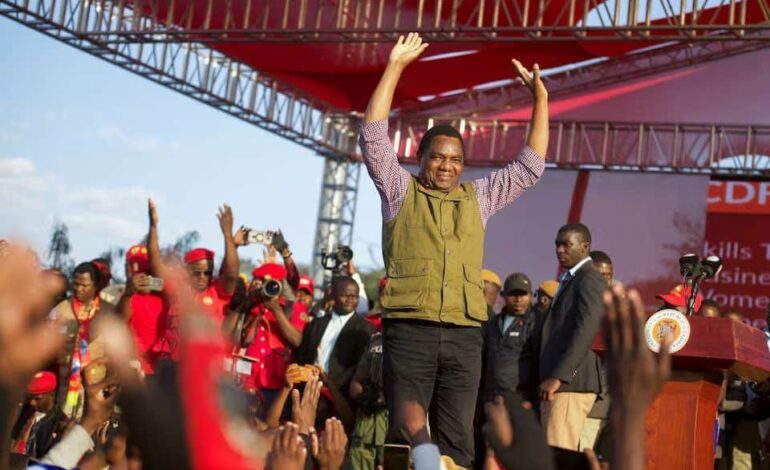
Hichilema was sworn in for another five years at the National Heroes Stadium in Lusaka on September 1, following his victory in Zambia’s August 13 presidential election. Official results from the Electoral Commission of Zambia gave Hichilema about 60% of the vote, while Brian Mundubile, his closest challenger, received approximately 38%.

Mundubile rejected the election outcome and raised allegations of irregularities in the electoral process. The dispute intensified in the days following the election, eventually placing the opposition leader at the centre of a national security investigation.

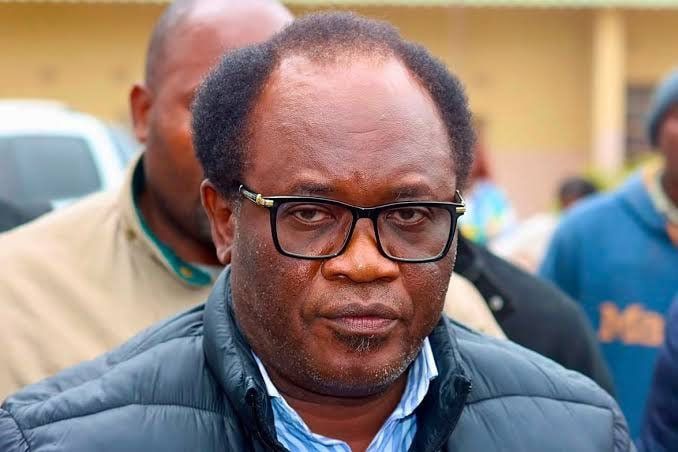
Mundubile went into hiding after security forces raided his home shortly after the election. He later sought refuge at a United Nations facility in Lusaka, saying he feared for his safety. On August 24, he and his running mate, Makebi Zulu, surrendered to police before being charged with treason.

The two are being held at Mukobeko Maximum Security Prison in central Zambia as they await further proceedings. Their lawyers and political allies have rejected the allegations against them, while the authorities have linked the case to alleged threats to national security following the election.
The arrests came after a security operation at Mundubile’s residence in which several people were detained. Former Cabinet minister Mutotwe Kafwaya was also killed during the operation. Authorities said security forces acted in self defence, while Mundubile disputed that account and denied that his supporters posed the threat alleged by the government.
The treason case has added to concerns surrounding Zambia’s political climate, particularly because Mundubile was not only an opposition politician but the man who finished second to Hichilema in the presidential contest.
The election itself has also come under scrutiny, with allegations involving the tallying of votes, the treatment of opposition figures and the presence of security forces at some polling stations. Questions have also been raised over the availability of legal avenues to challenge the presidential results within the required timeframe.
The Electoral Commission of Zambia has maintained that electoral complaints should be addressed through established legal procedures. However, concerns over access to the courts during the period in which an election petition could have been filed have added another layer of controversy to the outcome.
The developments are particularly significant given Hichilema’s own political history. He came to power in 2021 after defeating then President Edgar Lungu, ending years of opposition and promising to strengthen democracy, the rule of law and public institutions.
His first term was also marked by efforts to address Zambia’s economic challenges. His administration pursued debt restructuring and sought to attract investment, particularly into the country’s mining sector, which remains central to the Zambian economy.
Hichilema’s second inauguration therefore comes at a complicated moment. While his supporters point to the election result as a clear mandate from voters, the detention of his principal challenger has raised questions about political freedoms and the treatment of opposition figures.
At his inauguration, Hichilema sought to present a message of unity, acknowledging Zambians who voted for other political parties and promising to govern the entire country.
The president now begins another five years with pressure to demonstrate that Zambia’s democratic institutions remain independent and that the legal proceedings against opposition figures will be handled fairly and transparently.
For Mundubile and his supporters, the immediate focus remains on the treason case and the circumstances surrounding his detention. For the wider country, the events have created a striking political contrast: while Hichilema stood before thousands of supporters taking the oath of office for another five years, his main electoral rival was being held inside one of Zambia’s highest security prisons.
The way the government handles the opposition cases, the treason proceedings and the questions surrounding the election could ultimately shape the political legacy of Hichilema’s second term.
RELATED: