Wayne Lumbasi

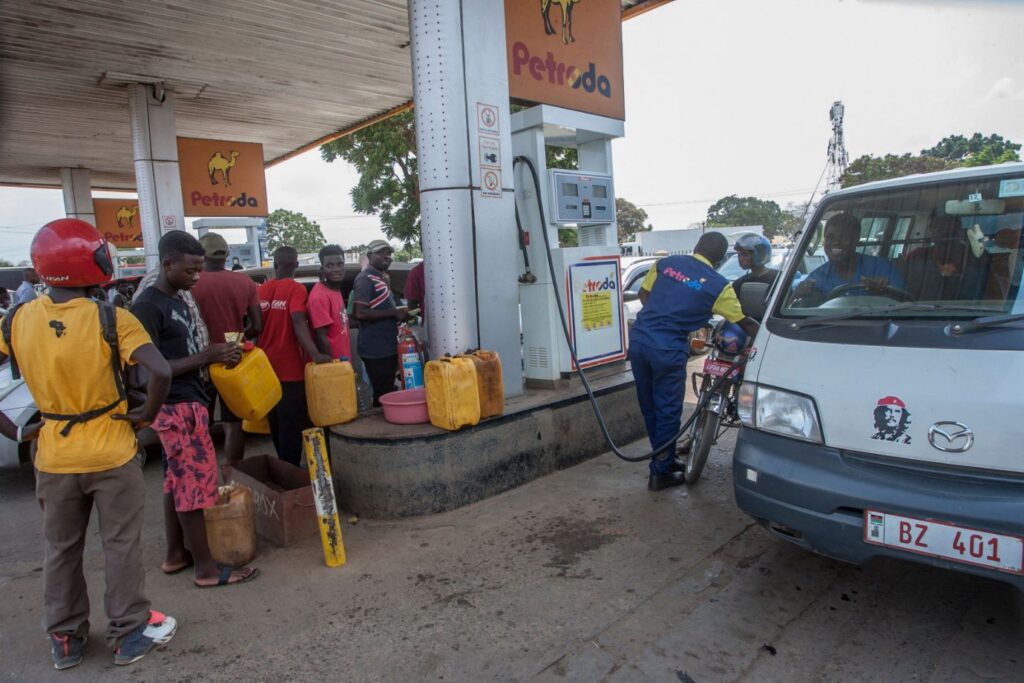
The current fuel crisis in Malawi has reached a critical juncture, forcing the government into an unconventional financial corner where it must leverage its most stable assets to keep the economy from grinding to a halt. At the heart of the issue is a severe shortage of foreign exchange, which is the hard currency like U.S. dollars required to purchase fuel on the international market.
Because Malawi currently imports far more than it exports, its dollar reserves have depleted to the point where international suppliers are no longer willing to offer fuel on credit. This has resulted in dry pumps across the country and a desperate need for immediate liquidity.

To address this foreign currency bottleneck, the Reserve Bank of Malawi has turned to its strategic gold reserves, selling off approximately $30 million in gold bars and coins to generate instant cash. This move is a tactical firefighting measure designed to satisfy suppliers at the ports of Beira and Dar es Salaam who have shifted to a strict cash on delivery policy. By liquidating gold, the government is essentially converting its physical wealth into the energy needed to power its transport and manufacturing sectors, providing a temporary bridge while deeper financial solutions are negotiated.

Beyond this immediate liquidation, the administration is finalizing a $120 million emergency loan from the African Export Import Bank. This facility is intended to be a more substantial stop gap measure, providing enough capital to procure 120 million liters of fuel.
This is a volume estimated to stabilize the national supply for about two months. While this loan will help clear the long queues at service stations, it comes at a cost by increasing the national debt and highlighting the country’s vulnerability to global oil price spikes triggered by ongoing geopolitical tensions in the Middle East.
Ultimately, the government is playing for time, hoping that these emergency interventions will sustain the nation until the 2026 tobacco marketing season is fully operational. As tobacco is Malawi’s primary export, the influx of foreign currency from international buyers is expected to eventually replenish the national coffers.
For now, however, the country remains in a delicate balancing act, relying on gold sales and high stakes loans to navigate a perfect storm of trade deficits, global inflation, and logistical hurdles.
RELATED: