Wayne Lumbasi

France is in the final stages of a diplomatic and financial maneuver to provide a $108 million (€100 million) loan to South Africa, specifically targeting the deepening infrastructure crisis within the nation’s metropolitan centers. The French Ambassador to South Africa, David Martinon, confirmed the status of the negotiations on Tuesday, April 21, 2026, during an event in Johannesburg.
This capital injection is slated to be managed by the state-owned Agence Francaisede Developpement (AFD) and acts as a direct response to a formal request made by the South African National Treasury in April of the previous year to mobilize global development finance for municipal stability.

This funding is a critical component of the Metro Trading Services (MTS) program, a wide-reaching reform initiative aimed at transforming the governance and operational performance of municipal services. The French loan is designed to complement a substantial $925 million “Program-for-Results” loan from the World Bank, which was approved to unlock broader investment for South Africa’s eight primary metropolitan municipalities.

Collectively, these cities house over 22 million residents roughly 36% of the population and generate 85% of the country’s economic activity. By targeting these hubs, the AFD and World Bank are focusing on the engines required to maintain the nation’s projected 1.1% GDP growth for the 2026 fiscal year.

The mechanics of the funding are distinct from traditional aid; they are performance-based, meaning cities must meet independently verified targets in service reliability and financial management to access the capital. This model aims to address the root causes of the service delivery failures that have led to frequent water outages in Johannesburg and power disruptions in Durban.
By improving “non-revenue water” management fixing the aging pipes that lose vast amounts of water before it reaches consumers the program seeks to turn municipal water and electricity departments into self-sustaining entities that no longer rely on bailouts from the National Treasury.

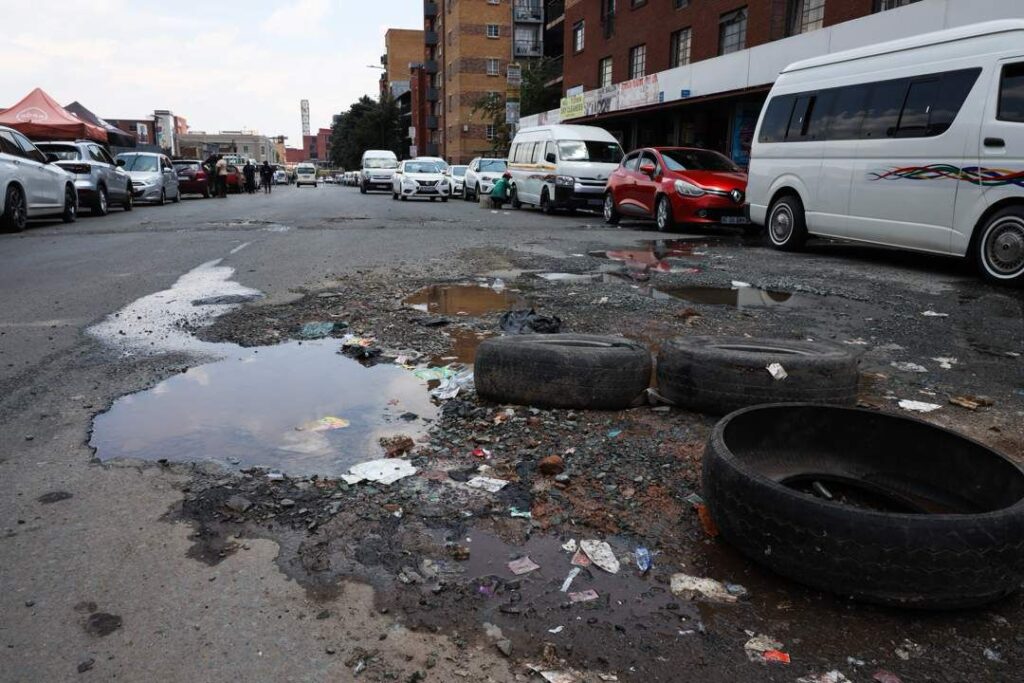
On the ground, the investment will prioritize the “green” modernization of urban services. Key initiatives include upgrading municipal substations to support the Just Energy Transition (JET), allowing local grids to safely integrate renewable energy from independent producers. Furthermore, the funds will support advanced solid-waste management and recycling infrastructure, aimed at reducing the environmental and fiscal burden on the country’s rapidly filling landfills.
The ambassador emphasized that this is not a short-term fix but a structural “reshaping” of how cities provide water, energy, and waste services to their citizens. This partnership persists despite a challenging global economic climate and fiscal tightening in Europe. While the French government has moved to reduce its overall Official Development Assistance by 16% in its most recent budget, its commitment to South African infrastructure remains a priority.
This reflects a broader geopolitical strategy to support industrialization and climate resilience in Africa’s most industrialized economy. For South Africa, the deal provides a vital $1 billion total buffer (when combined with World Bank funds) to bridge the gap between deteriorating 20th-century infrastructure and the high-tech, resilient urban systems required for the future.
RELATED: