Faith Nyasuguta

Russia is expanding its military reach across West Africa, using the port of Conakry as a key transit hub to move weapons and equipment into Mali. What appears to be routine maritime traffic is, in reality, a calculated supply chain allowing Moscow to strengthen its presence in the Sahel while sidestepping Western sanctions.
Investigations backed by satellite imagery and shipping data show Russian cargo vessels docking in Conakry and offloading military hardware – including armoured vehicles, artillery systems, and electronic warfare equipment – which are then transported overland to Bamako. The scale and consistency of these shipments point to a well-established corridor, not a one-off operation.

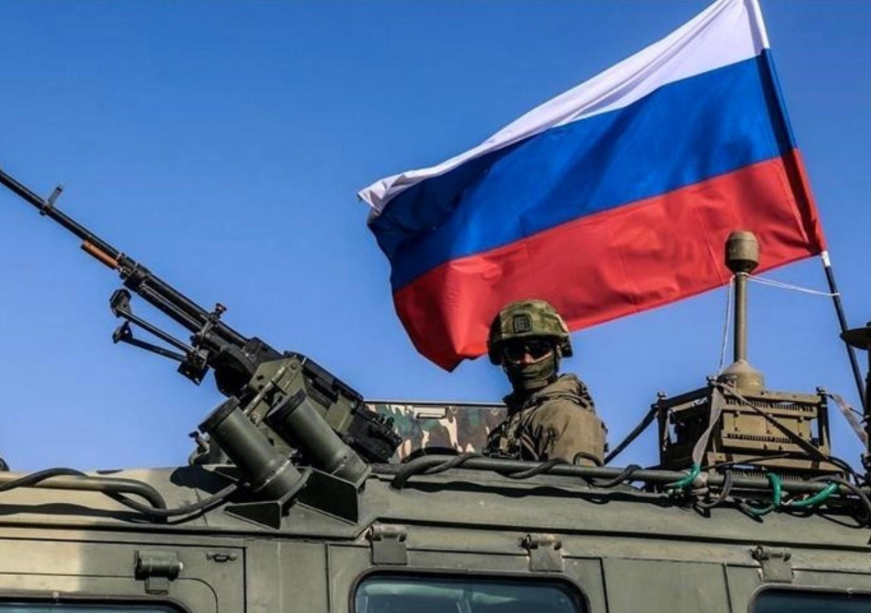
At the heart of this strategy is the Africa Corps, the Kremlin-controlled force that replaced the Wagner Group after its restructuring. Since 2023, Africa Corps has expanded rapidly, embedding itself within Sahel states where Western forces have withdrawn and military governments are seeking new security partners.

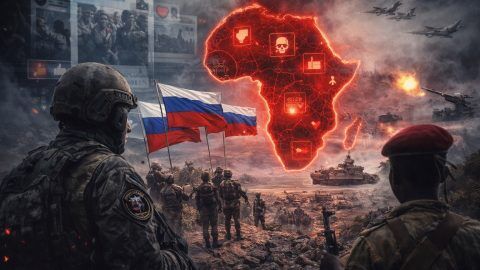
Mali, under military rule since a 2021 coup, has become a key partner in this shift. Facing a prolonged Islamist insurgency, the country has leaned heavily on Russian military support. However, despite the influx of weapons and personnel, security conditions remain volatile, raising concerns about the long-term impact of this alliance.

The use of Conakry as a transit point is not accidental. Guinea’s political alignment and economic ties with Moscow – including Russian-linked involvement in its mining and port sectors – have made it a strategic gateway. From here, cargo can move inland with limited scrutiny, effectively creating a backdoor supply line into the Sahel.
Crucially, this network allows Russia to bypass sanctions imposed after the Russian invasion of Ukraine. Reports point to the use of a so-called “shadow fleet” – vessels already targeted by sanctions but still active in transporting military cargo. Among them are ships like the Baltic Leader and Patria, which have reportedly been used in these operations.

This evolving logistics chain signals more than just military support – it reflects a broader geopolitical play. As Western influence in the Sahel recedes, Russia is moving decisively to fill the gap, using infrastructure, covert supply routes, and strategic partnerships to entrench itself in one of the world’s most unstable regions.
The implications are significant. A sustained Russian presence could reshape regional security dynamics, complicate international peace efforts, and deepen the Sahel’s entanglement in global power struggles.
What is emerging is not just a supply route – but a new axis of influence, stretching from the Atlantic coast into the heart of Africa’s conflict zones.
RELATED: