Wayne Lumbasi

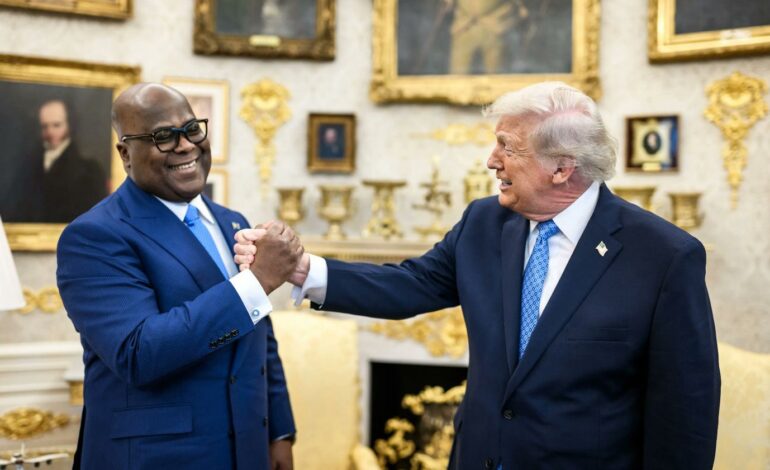
The United States Department of State has formally signaled a strategic pivot toward the Democratic Republic of Congo’s mining sector, confirming that American firms are actively evaluating a portfolio of high-value assets. At the forefront of this industrial push is the Rubaya coltan deposit, a site of immense technological importance that currently sits at the center of a complex geopolitical and security crisis in the nation’s eastern provinces.
The announcement, delivered by a senior U.S. official on April 20, 2026, underscores a concerted effort to diversify global supply chains for critical minerals. Under the auspices of the U.S.-DRC Strategic Partnership, American investors are being granted a “right of first offer” on approximately 25 key mining concessions. This initiative is designed to secure reliable access to tantalum, cobalt, and lithium elements indispensable to the aerospace, defense, and renewable energy industries while simultaneously offering a transparent, ESG-compliant alternative to the existing regional dominance held by Chinese state-linked enterprises.

However, the pursuit of the Rubaya mines presents a unique set of challenges, as the territory is currently occupied by the AFC/M23 rebel movement. The site, which accounts for a significant portion of the world’s tantalum supply, currently operates under a shadow economy of artisanal mining that reportedly funnels hundreds of thousands of dollars in monthly tax revenue to armed groups. Washington maintains that any formal American investment would be contingent upon, and run parallel to, regional peace negotiations, aiming to transition the site from a source of conflict financing to a regulated industrial powerhouse.

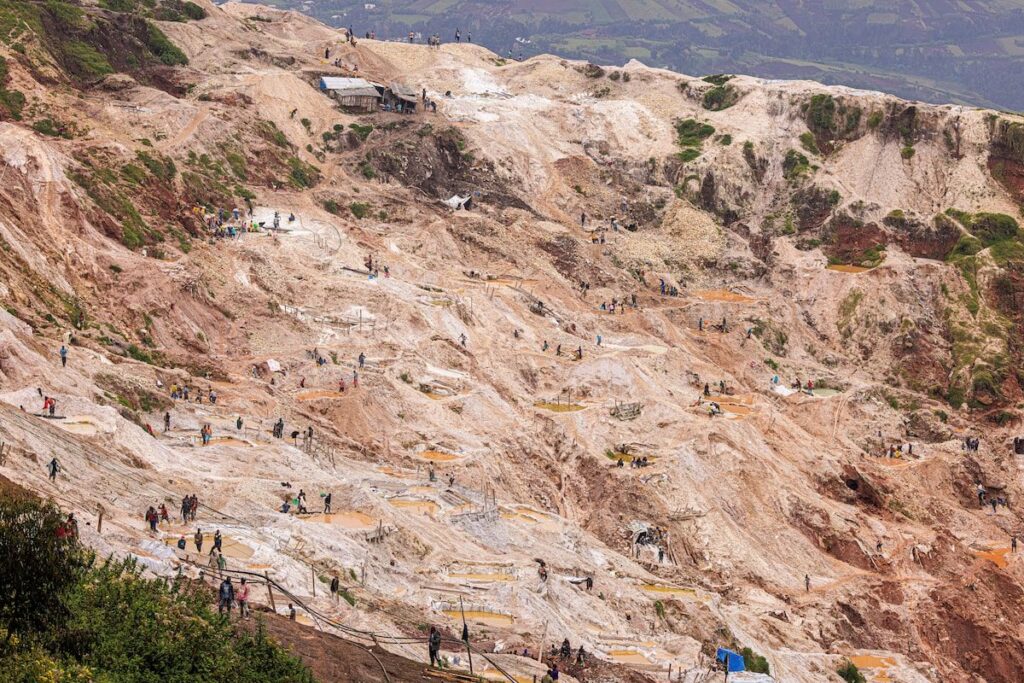
The urgency for this transition is not merely economic but humanitarian. The recent catastrophic landslides in North Kivu, which resulted in the loss of hundreds of lives among artisanal mining communities, have increased pressure on the Kinshasa government to industrialize its mineral extraction processes. By inviting U.S. capital into these volatile zones, the Congolese government is betting that high-standard industrialization can provide the infrastructure and safety protocols necessary to prevent further tragedy while formalizing an economy that has long been prone to smuggling and exploitation.
As the U.S. continues to expand its “Strategic Asset Reserve” through projects like the Lobito Corridor rail link, the move into Rubaya remains the most high-stakes gamble in its African mineral strategy. The success of this venture will likely be viewed as a bellwether for whether Western private capital can effectively navigate high-risk environments to secure the raw materials essential for the 21st-century global economy.
For the DRC, the partnership offers a potential path toward stability, provided that the legal and security hurdles currently surrounding these “crown jewel” assets can be resolved.
RELATED: