Wayne Lumbasi

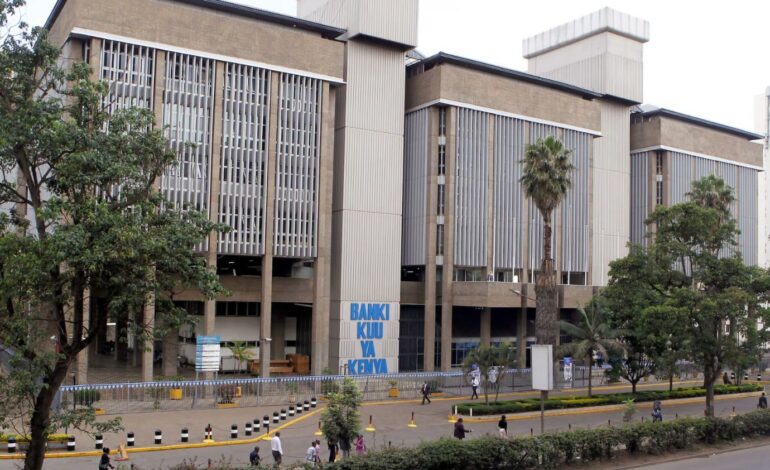
Kenya has officially requested significant rapid financial assistance from the World Bank to shield its economy from the escalating fallout of the war in Iran. Central Bank of Kenya (CBK) Governor Kamau Thugge confirmed the request during the IMF-World Bank Spring Meetings, signaling a proactive move to secure the nation’s fiscal stability. The East African nation, which relies heavily on energy imports, is moving to secure emergency liquidity as global oil markets remain volatile following the disruption of critical maritime corridors.
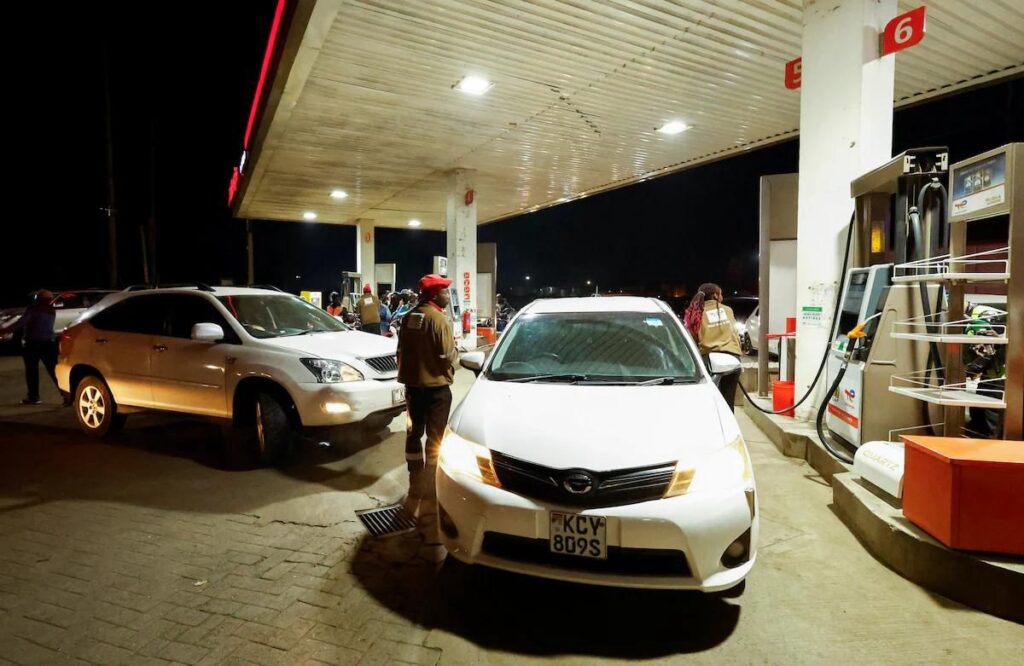
The primary objective of this funding is to stave off potential shortages of essential commodities, most notably petrol and diesel. The conflict has severely impacted supply chains through the Strait of Hormuz, causing a sharp rise in the landed cost of imported fuel. While the government has previously implemented measures to provide relief at the pump, the CBK warns that sustained conflict could push national inflation to a peak of 6.2% by July 2026 if the energy market does not stabilize.

This request falls under the World Bank’s Rapid Response Support framework, a mechanism designed for fast-disbursing aid during unforeseen global crises. Governor Thugge emphasized that this emergency cash is distinct from the Development Policy Operations (DPO) loan that Kenya has been negotiating since last year. The Governor noted that the request for rapid cash was significant and is intended to be in addition to the budgetary support loans that were already under discussion before the outbreak of the regional crisis.

The World Bank recently adjusted Kenya’s 2026 growth forecast to 4.1%, citing the war as a primary headwind for the region. Beyond the immediate impact on fuel prices, the Kenyan economy faces secondary shocks including currency volatility and the disruption of export routes for tea and horticulture. Despite these challenges, the CBK maintains that it has sufficient reserves, currently standing at $13 billion, to manage an orderly market response.

The World Bank Group has indicated it is preparing to mobilize up to $25 billion globally in rapid financing for countries impacted by the conflict. Kenya’s early application positions the country to be among the first recipients of this emergency window. This support is viewed as a critical anchor for Kenya’s macro-fiscal stability as it navigates the global supply chain uncertainties characterizing the first half of 2026.
RELATED: