Faith Nyasuguta

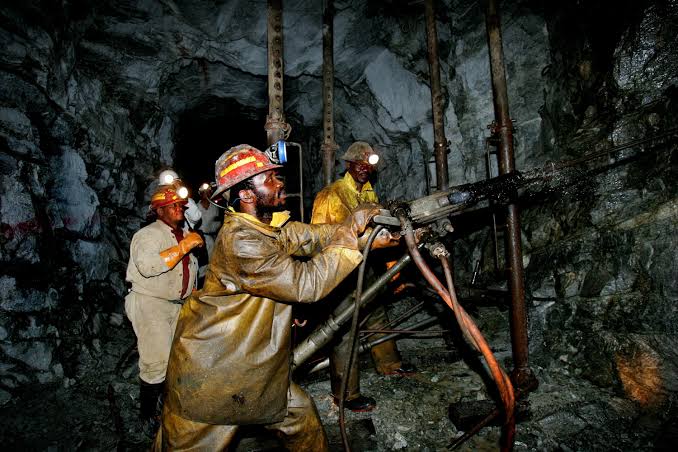
Cameroon is turning up the heat on its gold sector, rolling out tough new conditions that could reshape how foreign mining companies operate – especially in the resource-rich East Region.
In a decisive move to regain control over a largely informal and loosely regulated industry, authorities now require mining firms to meet strict financial and operational thresholds before suspended activities can resume. At the centre of the crackdown is a mandatory 63 million CFA franc (over $100,000) environmental bond, alongside new production benchmarks and a six-month deadline to adopt closed-circuit processing systems aimed at reducing environmental damage.

The new measures were outlined during high-level talks in Yaounde between Interim Mines Minister Fuh Calistus Gentry and Li Jiang Hua, reflecting growing diplomatic engagement as the policy shift takes effect. While much of the spotlight has fallen on Chinese operators – who dominate parts of the semi-mechanised mining space – officials insist the rules apply across the board.


“All operators, regardless of nationality, must comply with the same legal framework,” Gentry stated, pushing back against claims that the crackdown specifically targets foreign firms.

Still, the message is clear: the era of loosely monitored gold extraction is coming to an end. In recent months, Cameroon has shut down multiple sites found to be operating outside the law, part of a broader effort to clamp down on illegal mining, environmental degradation, and revenue losses.
For years, semi-mechanised artisanal mining has operated in a grey zone – generating income but often bypassing formal taxation systems and leaving behind significant ecological damage. Rivers have been polluted, land degraded, and local communities exposed to long-term environmental risks. Now, the government is drawing a hard line.

The introduction of a six-figure environmental bond is particularly significant. For many smaller or undercapitalised operators, the requirement could prove prohibitive, effectively forcing them out of the market or pushing them to formalise their operations. Analysts say this could accelerate consolidation in the sector, favouring larger, better-funded companies capable of meeting compliance standards.

Cameroon’s approach mirrors a broader continental trend. Across Africa, governments are increasingly reasserting control over natural resources, tightening regulations, and demanding higher accountability from foreign investors. From licence reviews to stricter environmental rules, the goal is the same: capture more value locally while reducing the long-term costs of unchecked extraction.
Chinese officials have acknowledged the shift, with Li Jiang Hua urging companies to comply fully with local laws. Authorities have also given a short window for embassies to notify nationals operating illegally, signalling that enforcement will be swift.
Ultimately, Cameroon’s crackdown is about more than regulation – it’s a recalibration of power in the mining sector. By raising the bar, the government is betting that stricter oversight will not only protect the environment but also ensure that the country benefits more directly from its gold wealth.
RELATED: