Faith Nyasuguta
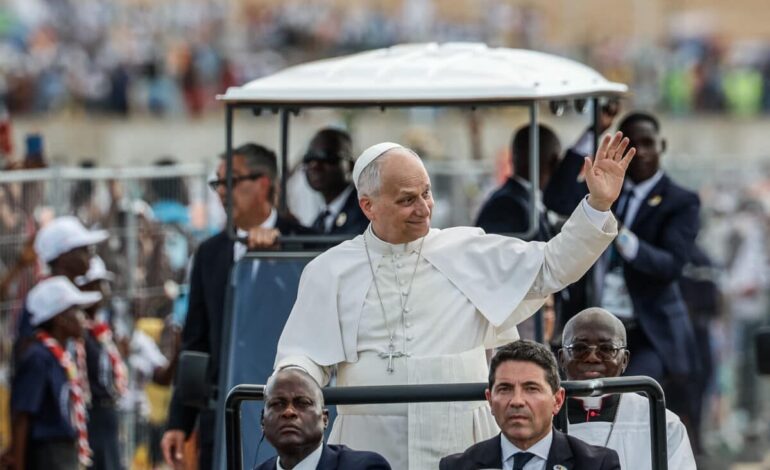
Pope Leo XIV has concluded a high-stakes, ten-day apostolic journey across Algeria, Cameroon, Angola, and Equatorial Guinea, leaving behind a trail of pointed political rebukes. In a tour defined by bluntness rather than traditional diplomatic vagueness, the Pontiff used his platform to expose systemic graft, human rights abuses, and the international arms trade, demanding an immediate end to the “predatory gaze” fixed on the African continent.
The most confrontational moment of the trip occurred in Cameroon, where the Pope addressed the nation’s political elite in Yaounde. Rather than offering the expected religious platitudes, he issued a direct mandate to “break the chains of corruption.” The message was rooted in hard reality, coming on the heels of reports from Cameroon’s National Anti-Corruption Commission which detailed the loss of over $200 million to embezzlement and graft in a single year. Leo characterized this corruption as an “idolatrous thirst for profit” that turns public service into a tool for private theft, effectively stripping the government of its moral authority.

In a move that caught security advisors off guard, the Pope traveled to Bamenda, a city devastated by the ongoing Anglophone crisis. Since 2017, the conflict between government forces and separatists has claimed thousands of lives and displaced hundreds of thousands more. Standing in the heart of this war zone, Leo released a dove of peace but followed the gesture with a verbal assault on the “masters of death.” He explicitly condemned both local warlords and the international arms dealers who fuel the violence, arguing that the cycle of death is perpetuated by those who profit from the sale of weapons and the illegal extraction of the region’s resources.

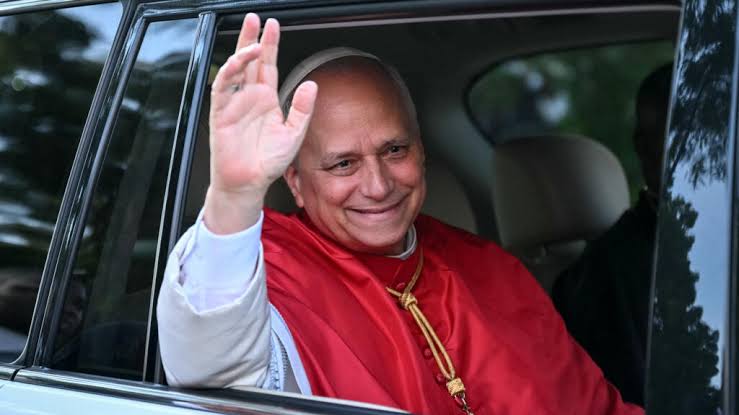
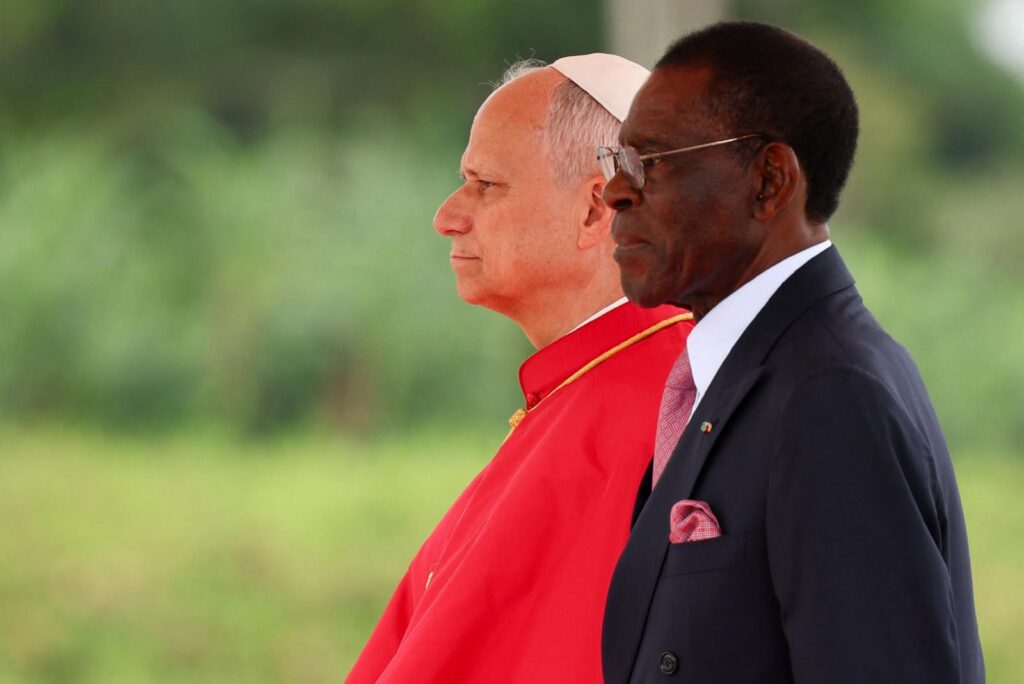
The theme of human rights took center stage during the Pope’s stop in Equatorial Guinea. In a nation frequently criticized by international watchdogs for its restrictive political climate, Leo chose to visit a high-security prison and a psychiatric hospital. This was a calculated move to force visibility upon those the state often renders invisible. By prioritizing the incarcerated and the marginalized, the Pope sent a crystal-clear signal to the ruling administration: the dignity of the individual is not subject to the whims of the state. He framed justice not as a legal formality, but as a moral obligation to the most vulnerable citizens.
In Algeria, the visit took on a historical and interfaith dimension. As the first Pope to visit the North African nation, Leo utilized his status as a “Son of St. Augustine” to bridge the divide between the Catholic Church and the Muslim world. Speaking at the Great Mosque of Algiers, he warned against “ideological colonization”– the imposition of foreign values and economic structures that ignore local culture. He argued that true peace in the Mediterranean region can only be achieved through a “renewed humanism” that rejects religious intolerance and respects the sovereignty of African nations.
Throughout the final legs of the journey in Angola, the Pope’s message remained consistent: Africa is not a quarry to be mined or a laboratory for foreign interests. He urged young Africans to reclaim their future from the “predatory gaze” of global powers and to hold their own leaders accountable for the management of the continent’s immense natural wealth.
Why This Tour Matters
To understand the weight of Leo’s words, one must look at the specific entities he indirectly – and sometimes directly – exposed. In Cameroon, while he praised the resilience of the people, his critique of the “idolatrous thirst for profit” was a thinly veiled reference to the state-run oil companies and the bureaucratic machinery that local activists have long accused of siphoning off national wealth.
By mentioning the “chains of corruption” in a city where the presidential palace overlooks neighborhoods without running water, the Pope effectively validated the grievances of the Cameroonian street.
In Bamenda, the exposure was even more raw. The Pope did not just call for peace; he called for an end to the “financial wrongdoing” that makes war profitable. He pointed toward the reality that many conflicts in Africa are not merely tribal or ideological but are sustained by the “filth of fraudulent business dealings.” By standing in a region that has seen schools shuttered and villages burned, he placed the blame for the stalled peace process squarely at the feet of those who benefit from chaos.
The Pope’s rhetoric on Justice was equally uncompromising. In his view, justice is not a gift bestowed by a generous leader but a fundamental right that is currently being withheld. In Equatorial Guinea, his focus on the “fettered and the forgotten” served to expose a penal system that many international human rights groups have flagged for arbitrary detentions. By physically entering these spaces, Leo forced the accompanying government officials to walk the same halls as the people they had marginalized.
As he moved through Angola, the Pope addressed the “economic development” of the region, noting that while the country boasts some of the largest crude oil reserves in sub-Saharan Africa, the benefits rarely trickle down to the citizenry. He challenged the “multinational extraction industries” to look beyond their balance sheets and see the human faces of those living in poverty atop golden soil. This was a call for a radical shift in how global markets interact with the continent – moving from extraction to partnership.
The Final Takeaway
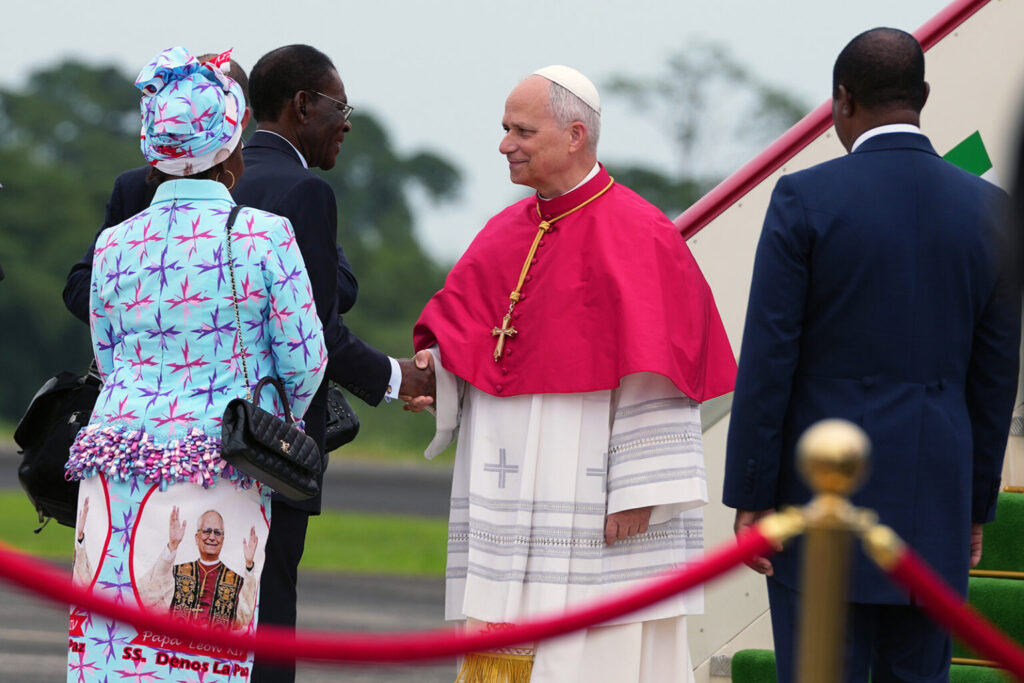
The overarching message of the tour was one of Sovereignty. Pope Leo XIV spent ten days arguing that Africa’s problems are often exacerbated by “external interests” that treat the continent as a map for resource grabbing. However, he also made it clear that the ultimate responsibility for change lies with African leaders and their youth.
The “Leo Effect” has left the region’s leadership in a precarious position. By naming specific sins – corruption, arms dealing, and the suppression of rights – the Pope has empowered local civil society and the Church to demand tangible reforms. He has provided a moral vocabulary for those who have been silenced, turning the Vatican’s diplomatic weight into a shield for the disenfranchised.
The narrative of this trip has shifted from a religious pilgrimage to a bold political manifesto. By standing with the marginalized against systemic exploitation, Pope Leo XIV has redefined the Vatican’s role on the continent. The echo of his indictments against corruption and the “masters of war” now haunts the corridors of power, leaving the world to wait and see if these challenged leaders will finally embrace a new era of African justice.
RELATED: