Faith Nyasuguta

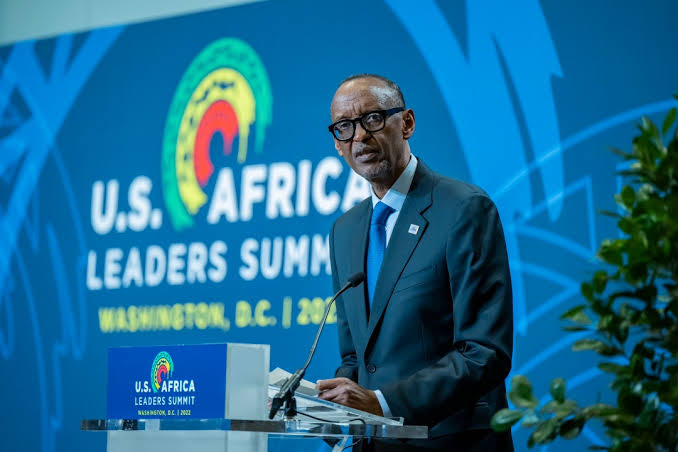
Rwanda is setting its sights beyond Earth’s borders as it seeks to deepen cooperation with the United States’ space agency, NASA, in a move that signals the country’s growing ambitions in science, technology, and space exploration.
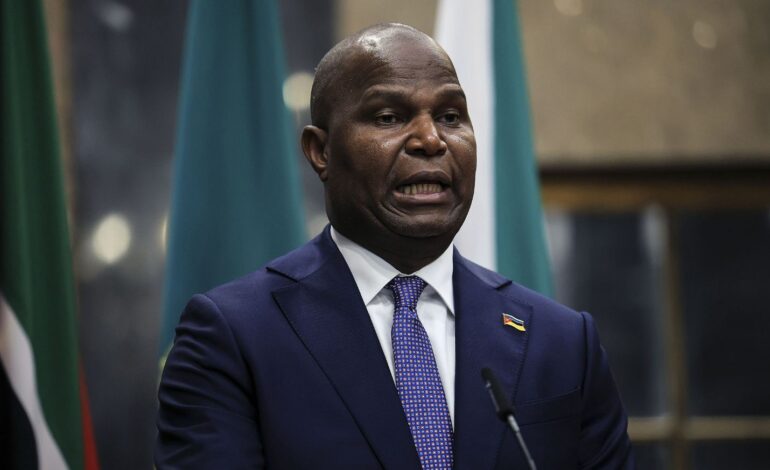
The interest was formally expressed by Rwanda’s Minister of Foreign Affairs and International Cooperation, Olivier Nduhungirehe, during a reception in Kigali marking the 250th anniversary of American independence and 64 years of diplomatic relations between Rwanda and the United States.

The event, hosted by the U.S. Embassy in Kigali, brought together government officials, diplomats, business leaders, members of the diplomatic corps, and the American community living in Rwanda. While the occasion celebrated the longstanding relationship between the two nations, it also highlighted a new frontier of cooperation: space.

Speaking during the event, Nduhungirehe emphasized Rwanda’s desire to build practical partnerships with NASA as the country accelerates investment in its domestic space sector.

“As a member of the Artemis Accords community, Rwanda remains keen to explore practical avenues of collaboration with NASA and looks forward to identifying mutually beneficial initiatives that can contribute to scientific advancement, capacity building, and economic development,” he said.
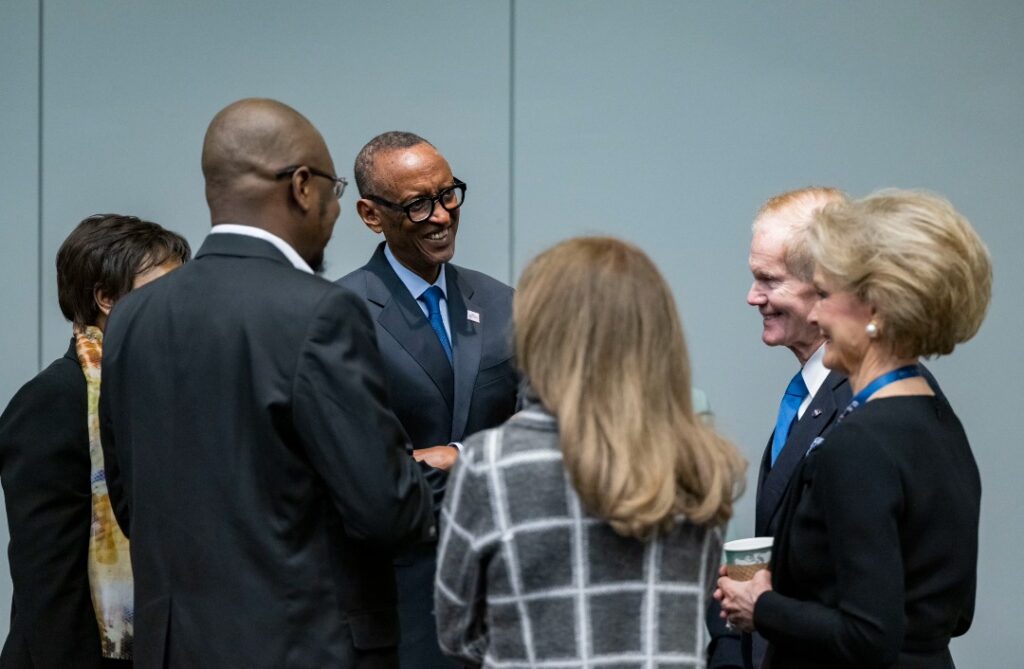
The Artemis Accords are a set of international principles designed to guide cooperation in future lunar exploration, scientific research, and broader space activities. By joining the accords, Rwanda aligned itself with a growing coalition of countries seeking to participate in the next generation of space exploration and technological innovation.

Rwanda’s interest in NASA comes at a time when the country is making significant investments in space-related infrastructure and services.
One of the clearest signs of that progress emerged this week when the World Teleport Association awarded Tier 3 Certification to Rwanda’s teleport facility. The recognition makes it the first fully accredited teleport facility in Sub-Saharan Africa, marking a major milestone in the country’s efforts to establish itself as a regional technology and communications hub.
The certification strengthens Rwanda’s capacity to support satellite communications, data transmission, and other services that are increasingly vital in a digital economy.
Officials say these developments are part of a broader strategy to position Rwanda as a leader in emerging technologies while creating new opportunities for economic growth and innovation.
Nduhungirehe noted that cooperation between Kigali and Washington has evolved considerably over the past decade.
“Over the last ten years, our cooperation has grown into a strategic partnership based on shared interests and a commitment to delivering tangible results for our peoples,” he said.
The United States has also signaled interest in expanding collaboration with Rwanda across a range of sectors beyond traditional diplomacy. John Armiger, Chargé d’Affaires at the U.S. Embassy in Kigali, described the relationship as a strategic partnership centered on peace, prosperity, and future-focused development.
According to Armiger, both countries are exploring opportunities in critical minerals, healthcare, infrastructure, and emerging technologies that are expected to play a central role in future economic growth.
He also highlighted the symbolic connection between the two nations, noting that while July 4 is celebrated in the United States as Independence Day, it is observed in Rwanda as Liberation Day.
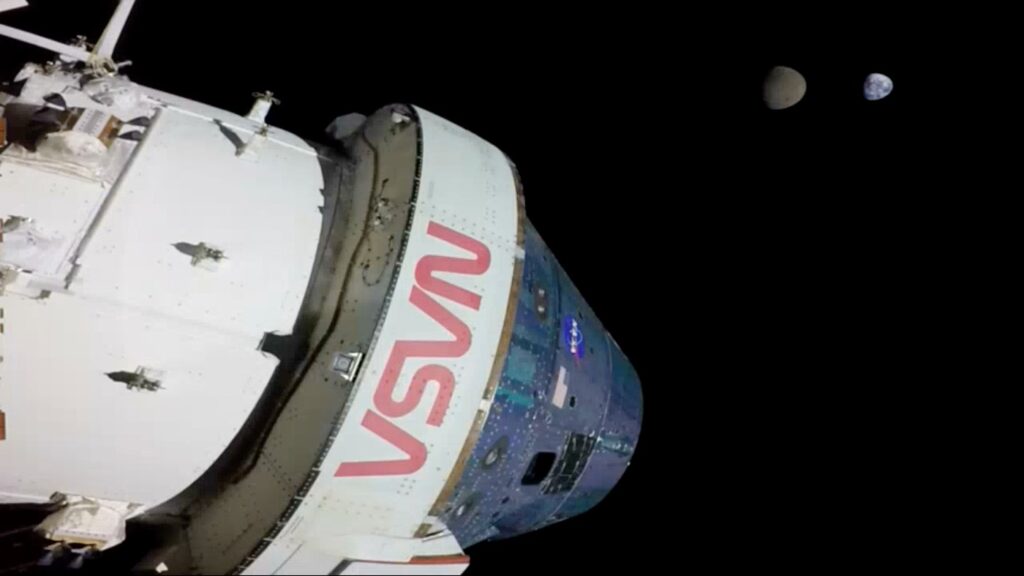
As global competition increasingly shifts toward technology, innovation, and access to space-based infrastructure, Rwanda appears determined not to remain on the sidelines.
From joining the Artemis Accords to building world-class telecommunications infrastructure and now pursuing closer ties with NASA, Kigali is signaling a clear message: Africa’s future in space is not merely about participation – it is about becoming an active player in shaping the next chapter of scientific and technological advancement.
RELATED: