Faith Nyasuguta

Nigeria and Ghana are escalating diplomatic pressure over the recent wave of anti-migrant violence in South Africa, agreeing to jointly push the African Union (AU) to take up the issue at the continental level in what could become one of the bloc’s most closely watched political debates this year.
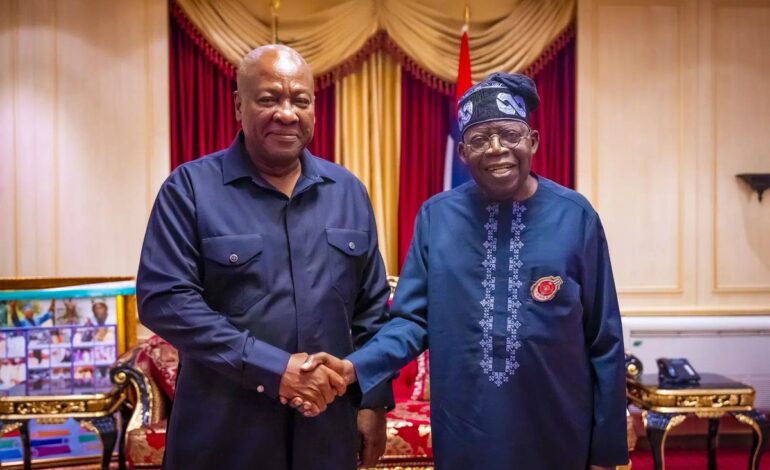
The agreement was reached during a bilateral meeting between Nigeria’s Minister of State for Foreign Affairs, Ambassador Sola Enikanolaiye, and Ghana’s Foreign Minister Samuel Okudzeto Ablakwa on the sidelines of the ECOWAS Mid-Year Summit in Freetown, Sierra Leone.

The two countries strongly condemned xenophobia, Afrophobia and violence directed at African nationals living in South Africa, describing such attacks as fundamentally incompatible with the ideals of Pan-Africanism and regional unity.

According to a statement issued after the meeting, both governments agreed to work together to ensure that the matter is placed on the agenda of the next African Union Summit, where they hope African leaders will adopt a coordinated continental response to prevent similar incidents from recurring.

The ministers emphasized that migration disputes should never descend into violence against fellow Africans and reaffirmed their commitment to strengthening cooperation through ECOWAS, the African Union and other multilateral platforms.
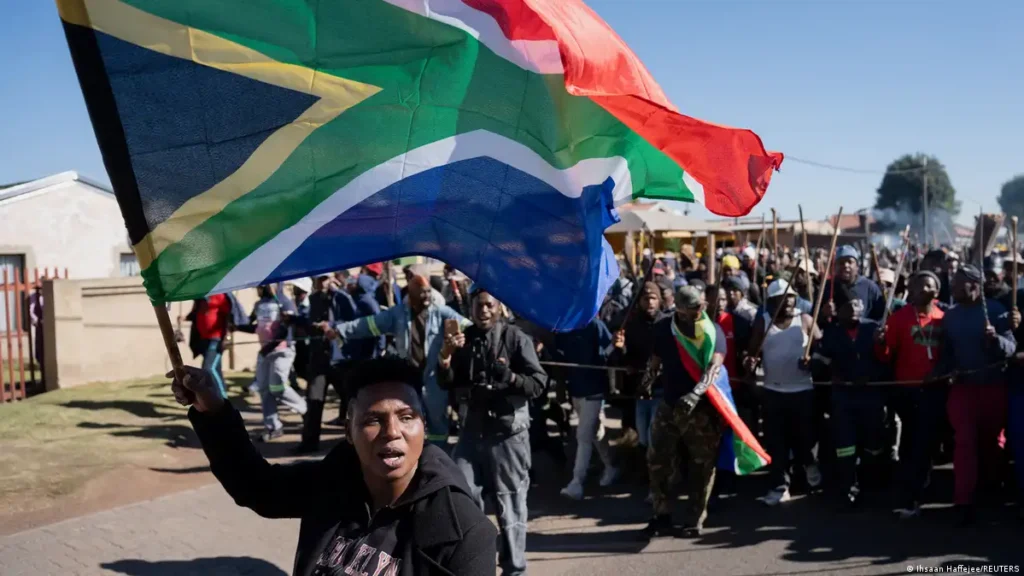
The diplomatic move comes after weeks of mounting tension following anti-migrant protests in several South African cities, where foreign-owned businesses were targeted and thousands of undocumented migrants came under pressure to leave the country. The unrest prompted several African governments to organize voluntary evacuations of their citizens.

Nigeria has already completed the evacuation of 1,490 citizens from South Africa in seven separate flights, with Abuja citing growing concerns over the safety of its nationals amid the protests.
Ghana has also taken an increasingly assertive diplomatic position. Earlier this month, Accra postponed a planned high-level bilateral commission with South Africa, arguing that the violence and anti-migrant atmosphere would overshadow the talks. Ghana also repatriated hundreds of its citizens after threats linked to the protests intensified.
South Africa, however, has consistently rejected accusations that it is sanctioning xenophobic violence.
The government insists it is enforcing immigration laws through constitutional means while condemning vigilantism and attacks on foreign nationals. Pretoria has maintained that criminal acts committed during the protests should not be interpreted as official government policy and has repeatedly called for lawful migration management rather than violence.
Despite those assurances, frustration among several African governments continues to grow.
The joint Nigeria-Ghana initiative signals a shift from bilateral protests to a broader continental strategy aimed at forcing collective action through the AU. Rather than treating the unrest as an isolated domestic issue, both countries want African leaders to frame attacks on fellow Africans as a threat to regional integration, free movement and the continent’s long-standing Pan-African vision.
The issue is also likely to test the African Union’s ability to balance national sovereignty with continental solidarity.
If the matter is formally adopted onto the AU agenda, member states could debate stronger continental mechanisms for protecting African migrants, preventing xenophobic violence and reinforcing commitments under existing free movement and regional integration frameworks.
For Nigeria and Ghana, the message is unmistakable: attacks on Africans anywhere on the continent should no longer be treated as purely domestic matters, but as a shared African responsibility requiring a united continental response.
RELATED: