Faith Nyasuguta

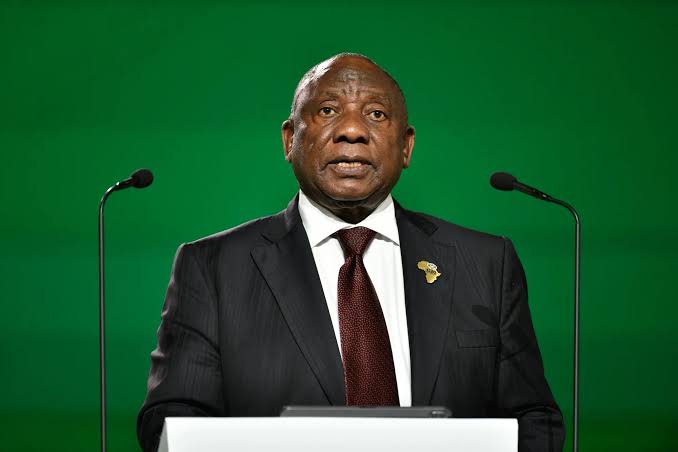
South African President Cyril Ramaphosa has publicly distanced his government from a growing trend of civilian-led immigration checks, warning that no private individual or community group has the authority to enforce immigration laws.
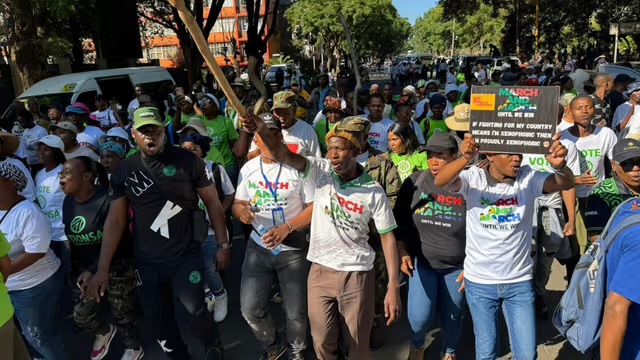
The intervention comes as concerns mount over rising anti-migrant sentiment and reports of self-appointed groups conducting so-called “street checks” on foreign nationals in parts of South Africa.

In a statement shared on social media, Ramaphosa stressed that immigration enforcement remains the exclusive responsibility of authorised state officials. He warned that citizens cannot stop people in public spaces, demand identification documents, or question individuals about their nationality.

The president’s remarks arrive at a sensitive moment for South Africa, where migration has become one of the country’s most politically charged issues. High unemployment, widening inequality, pressure on public services, and competition in the informal economy have fuelled growing frustration in some communities, with migrants often finding themselves at the centre of public anger.

Over the years, South Africa has experienced multiple outbreaks of xenophobic violence, with foreign-owned businesses looted, migrant communities attacked, and thousands displaced. African migrants from countries such as Nigeria, Ghana, Mozambique and others have frequently borne the brunt of these tensions.
The latest concern is not only the threat of violence but the emergence of informal groups taking immigration enforcement into their own hands. In several communities, residents have reportedly confronted suspected undocumented migrants, demanding identification documents and, in some cases, allegedly detaining or assaulting individuals they believe are in the country illegally.

Human rights organisations have warned that such actions risk normalising vigilantism and undermining the rule of law. Critics argue that once immigration enforcement moves from state institutions to the streets, it creates an environment where discrimination, profiling, and abuse can flourish unchecked.
Ramaphosa’s message was clear: immigration concerns cannot become an excuse for unlawful behaviour.
At the same time, the president acknowledged growing public concerns around illegal immigration and pledged to strengthen official enforcement measures. He said the government intends to intensify action against violations of immigration and labour laws, tighten border management, prevent unlawful entry, and root out corruption within the immigration system.
He also vowed to confront groups and individuals who exploit public frustrations over migration for political, personal, or criminal gain.
The government’s position reflects a delicate balancing act. On one hand, Pretoria faces increasing pressure from citizens demanding stronger immigration controls. On the other, it must prevent frustrations from escalating into xenophobic violence that could damage social cohesion and strain relations with fellow African nations.
South Africa’s handling of migration has long attracted attention across the continent. Previous outbreaks of anti-foreigner violence have triggered diplomatic tensions, with some African governments issuing travel advisories, condemning attacks, or facilitating the evacuation of their citizens.
Analysts say the deeper challenge extends beyond border control. Economic hardship, youth unemployment, and perceptions that migrants compete for jobs and services continue to drive resentment in some communities. Unless those underlying issues are addressed, they warn, tensions are likely to persist.
For now, Ramaphosa is drawing a firm line between lawful immigration enforcement and street-level vigilantism.
As South Africa grapples with migration pressures and growing public frustration, the president’s message is that the rule of law – not mob action -must determine who enforces the country’s borders and immigration policies.
RELATED: