Faith Nyasuguta
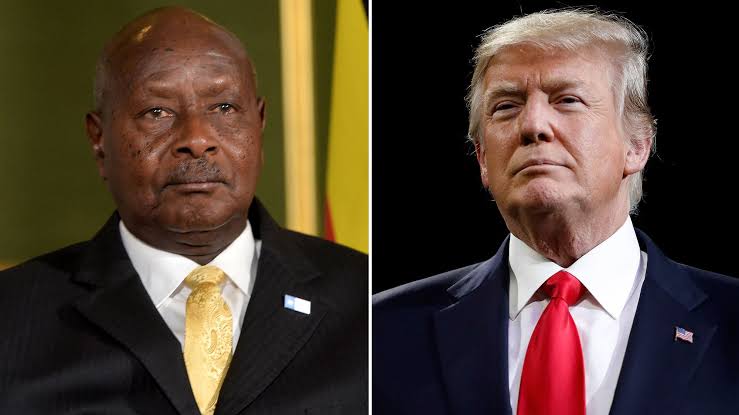
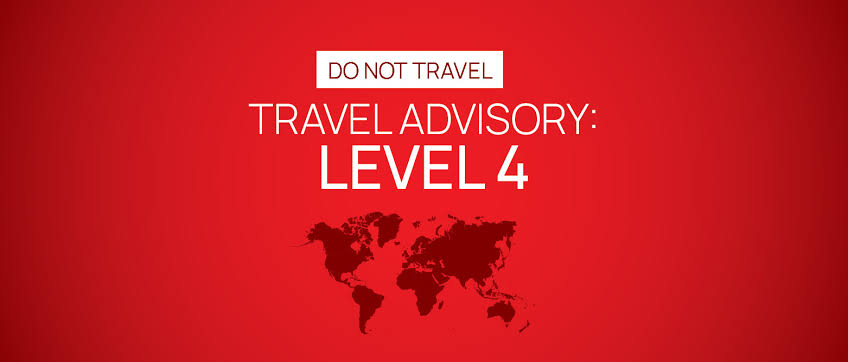
The United States has formally placed Uganda under its highest travel advisory level, urging American citizens not to travel to the East African nation as the Trump administration tightens health and security measures linked to the country’s recent Ebola outbreak and ongoing security risks. The decision places Uganda among a small group of African countries currently classified under the U.S. State Department’s most severe Level 4 advisory: “Do Not Travel.”
Although the advisory has gained renewed attention under President Donald Trump’s administration, U.S. officials insist the move is based on a combination of public health concerns, crime, terrorism and civil unrest rather than politics alone. The State Department’s latest guidance advises Americans to avoid travelling to Uganda because of “crime, health, terrorism and unrest,” while also noting that the U.S. government’s ability to provide emergency consular services remains limited following the Ebola outbreak.

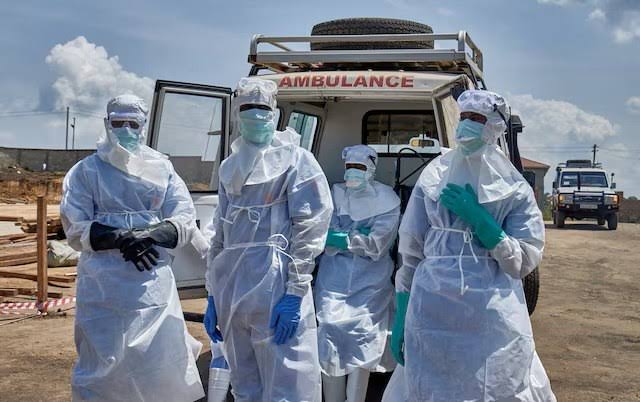
The advisory follows a series of health-related measures introduced after Uganda confirmed cases of the Bundibugyo strain of Ebola earlier this year. Although Kampala has since discharged its last confirmed Ebola patient and is progressing through the World Health Organization’s mandatory observation period before being declared Ebola-free, Washington has maintained strict travel precautions.

As part of those measures, travellers who have recently been in Uganda must enter the United States only through designated airports where enhanced Ebola screening is conducted. The U.S. Department of State has also temporarily suspended routine visa services at its embassy in Kampala, citing public health precautions linked to the outbreak.

Beyond the health concerns, American authorities continue to point to broader security challenges within Uganda. The advisory highlights violent crime, the threat of terrorism, and the possibility of civil unrest, urging travellers to avoid demonstrations, remain vigilant in crowded areas, limit nighttime movement, and maintain emergency communication plans. The State Department also cautions that government employees face movement restrictions in certain situations because of the limited ability to provide emergency assistance during ongoing health operations.
The designation places Uganda alongside several other countries carrying the U.S. government’s highest travel warning. Under the State Department’s four-tier system, Level 4 represents the most serious advisory and is reserved for destinations where life-threatening risks are considered exceptionally high or where the U.S. government’s capacity to assist its citizens is significantly constrained.

Ugandan officials, however, have pushed back against the continued restrictions. Health authorities argue that the country’s Ebola response has been swift and effective, with aggressive surveillance, isolation measures and cross-border monitoring helping contain the outbreak before it escalated into a national crisis. Officials have repeatedly appealed for international partners to lift travel restrictions once Uganda completes the internationally recognised 42-day monitoring period without recording new infections.
The African Centres for Disease Control and Prevention (Africa CDC) has also called on Washington to reconsider its restrictions, saying Uganda has demonstrated strong outbreak management and warning that prolonged travel measures risk damaging tourism, investment and international confidence without corresponding public health benefits.
For Uganda, the economic implications could be significant. Tourism remains one of the country’s major foreign exchange earners, attracting visitors to destinations such as Bwindi Impenetrable National Park, Queen Elizabeth National Park, Murchison Falls and the source of the River Nile. Industry stakeholders fear that the Level 4 advisory could discourage international visitors even after the Ebola threat subsides, affecting hotels, tour operators, airlines and thousands of livelihoods tied to the tourism sector.
While the advisory does not amount to a legal travel ban, it represents the strongest warning issued by the U.S. government and often influences travel insurance providers, multinational corporations, international organisations and individual travellers when making decisions.
For now, Washington maintains that the advisory will remain in place until conditions improve sufficiently to justify a reassessment. Ugandan authorities, meanwhile, are hoping that continued disease surveillance, the absence of new Ebola cases and sustained security efforts will eventually persuade the United States to remove the country from its “Do Not Travel” category and restore confidence in one of East Africa’s most important tourism and business destinations.
RELATED: