Faith Nyasuguta

South Africa’s image as a leading voice for African unity has suffered a major diplomatic embarrassment after African ambassadors and high commissioners collectively boycotted the country’s official Africa Day celebrations in the North West province.
The empty seats at an event meant to symbolize continental solidarity sent a powerful political message: many African governments are increasingly frustrated by Pretoria’s repeated failure to contain anti-immigrant hostility and protect African nationals living inside South Africa.

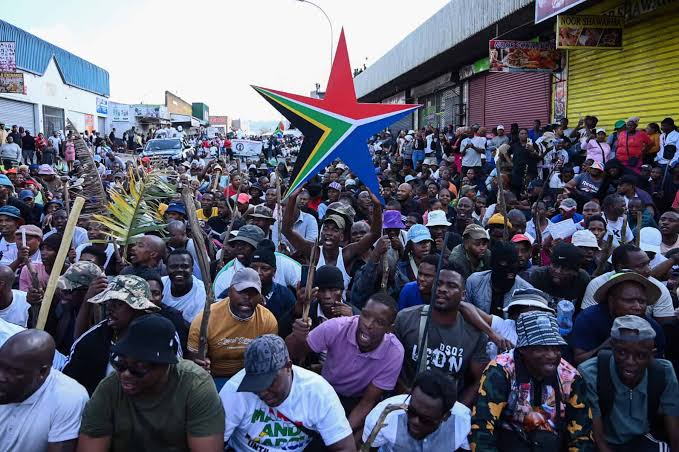
The boycott comes after months of mounting tensions linked to anti-foreigner protests, aggressive rhetoric, and growing pressure from vigilante-style groups demanding the removal of migrants from African countries such as Nigeria, Zimbabwe, Somalia, Ethiopia, Ghana, and Mozambique.

Diplomatic sources say African envoys deliberately stayed away from the state event to protest what they view as a widening gap between South Africa’s Pan-African rhetoric and the reality faced by many African migrants on the ground.

For years, African governments have quietly engaged Pretoria through diplomatic channels each time xenophobic violence erupted. Nigeria and Ghana have repeatedly summoned South African diplomats to explain attacks on their citizens, while several governments have demanded stronger protections for their nationals.
But many African states now appear to believe those engagements have produced little meaningful change.

The latest boycott reflects growing continental fatigue over recurring cycles of violence, political tensions, and inflammatory anti-immigrant campaigns that continue to target foreign Africans in South Africa’s townships and urban centers.
The diplomatic snub also comes as some foreign nationals have started seeking voluntary repatriation back to their home countries over fears for their safety. Ghana recently began evacuation preparations for citizens wishing to leave South Africa following rising tensions and public anxiety over possible attacks.
While South African authorities insist the country remains committed to African unity and regional cooperation, critics argue that official responses to xenophobic tensions have often appeared reactive, inconsistent, or dismissive.
The Department of International Relations and Cooperation moved quickly to downplay the significance of the boycott, portraying the tensions as isolated diplomatic disagreements rather than evidence of a deeper continental crisis.
However, analysts say the coordinated action by African envoys represents one of the clearest diplomatic rebukes South Africa has faced from fellow African nations in recent years.
The symbolism is particularly striking because Africa Day commemorates the founding ideals of continental solidarity, liberation, and cooperation under the African Union’s predecessor, the Organization of African Unity.
Instead, this year’s event exposed growing fractures over migration, economic competition, unemployment, and the treatment of African migrants within one of the continent’s largest economies.
Critics across the continent increasingly argue that South Africa cannot continue presenting itself as a defender of African interests globally while African nationals inside the country face hostility, intimidation, and periodic violence.
The boycott also raises broader questions about the future of Pan-Africanism at a time when African states are pushing deeper economic integration through initiatives such as the African Continental Free Trade Area.
For many observers, the message from African diplomats was blunt: continental unity cannot survive on speeches alone while African citizens continue to feel unsafe on African soil.
RELATED: