Faith Nyasuguta
Egypt and Russia are moving ahead with one of Africa’s most ambitious energy partnerships, as Cairo pushes forward with its first nuclear power plant at El Dabaa while expanding Russian involvement in industry, trade, food security and infrastructure.
But beneath the latest announcements is a much bigger African story. Why are more African governments looking to Russia for partnerships? The answer is not simply politics—or a rejection of the West. It is increasingly about options.

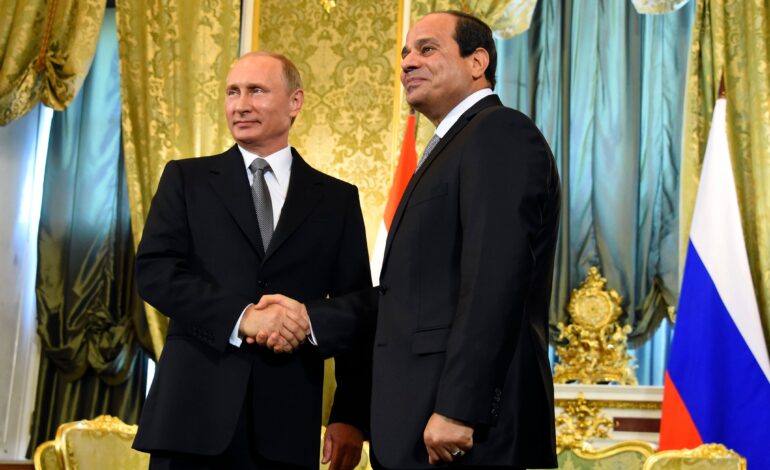
On August 27, Egyptian Foreign Minister Badr Abdelatty and Russian Foreign Minister Sergey Lavrov reaffirmed their commitment to accelerating major projects between the two countries.
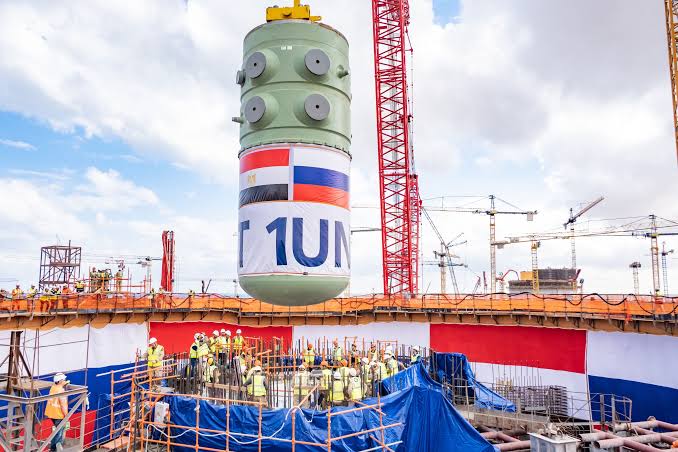
Among them is the El Dabaa Nuclear Power Plant, where the reactor pressure vessel for the second unit has now been installed. The two sides also discussed speeding up the Russian Industrial Zone within Egypt’s Suez Canal Economic Zone.
Russia is additionally opening direct flights to Alexandria and Alamein, creating another channel for Russian tourism into Egypt.
But tourism is arguably the least significant part of the story. The nuclear project could shape Egypt’s energy sector for generations.

El-Dabaa Is About More Than Electricity
Built by Russia’s state nuclear company Rosatom, El Dabaa will eventually have four VVER-1200 reactors producing a combined 4.8 gigawatts of electricity. The first reactor is expected to connect to Egypt’s national grid in 2028, while Cairo and Moscow are already discussing a possible second phase involving two additional reactors.
For Egypt, that means access to large-scale, reliable electricity while reducing its dependence on fossil fuels. But the relationship goes much further than Russia simply building reactors. The arrangement involves financing, construction, technology, training, nuclear fuel and long-term technical support.
In other words, Egypt is not buying a machine. It is entering a relationship that could last for decades. And that is precisely what makes the project important beyond Egypt.
Across Africa, energy shortages remain one of the biggest obstacles to industrialisation. Factories cannot operate reliably without electricity. Digital economies cannot grow without dependable power. Hospitals, schools, transport systems and businesses all depend on it.
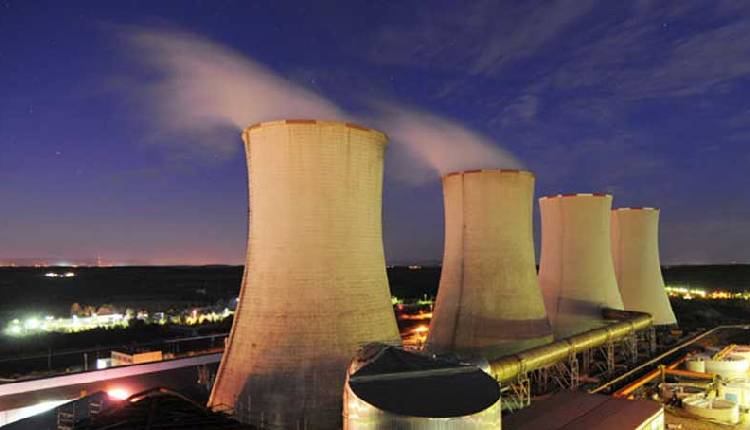
Nuclear energy is therefore becoming part of the conversation in countries looking for large-scale, dependable power. Russia wants to be part of that conversation.
Africa Is Not Necessarily Choosing Russia Over The West
There is a temptation to describe Africa’s growing relationship with Russia as a simple geopolitical switch: The West is out. Russia is in.
Reality is more complicated. Many African governments are trying to diversify their partnerships.
For decades, Western governments and institutions have played major roles in African development financing, security cooperation, trade and technology. China has also become a major economic partner. Now Russia is increasingly presenting itself as another option.
For governments that have become frustrated with Western conditions, sanctions or political pressure, Moscow can appear attractive because it generally emphasises state-to-state cooperation while placing fewer public governance conditions on certain partnerships. The trend is particularly visible in the Sahel.
Mali, Burkina Faso and Niger have dramatically reduced their military relationships with France and other Western powers while deepening ties with Moscow. Russia has expanded its security presence through Africa Corps, which followed the Wagner Group’s operations in Africa.
For governments confronting armed insurgencies, having another security partner gives them greater room to manoeuvre. But security is only one part of the equation.
Russia Has Something Africa Needs- And Africa Has Something Russia Wants
This relationship works because the interests run in both directions.
African countries need:
- Energy technology
- Infrastructure
- Investment
- Industrial capacity
- Fertiliser
- Food
- Security assistance
- Access to markets and technology
Russia, meanwhile, wants:
- New markets
- Strategic partnerships
- Access to resources
- Investment opportunities
- Diplomatic relationships
- Greater influence outside Europe
That creates a straightforward bargain. Africa has resources and markets. Russia has technology, commodities, capital and strategic capabilities. Neither side is doing charity. And understanding that is important.
Russia is pursuing its own interests in Africa just as Western countries, China and other global powers do.
Then There Is Food Security
One of Russia’s most important advantages in Africa has little to do with soldiers or weapons. It is food. Russia is a major exporter of wheat and fertiliser—two commodities that matter enormously to African food systems.
Egypt is particularly important in this equation. The country is the world’s largest importer of Russian wheat and is exploring deeper cooperation with Moscow around grain storage, processing and trading.
Think about what that means. A relationship that began with nuclear energy can simultaneously touch food security, fertiliser, trade, infrastructure, tourism and industrialisation. That makes the partnership considerably more strategic than a conventional diplomatic relationship.
Why The Suez Canal Matters
Then comes the Russian Industrial Zone. Egypt and Russia have been working to establish a dedicated industrial zone within the Suez Canal Economic Zone, designed to attract Russian companies and investment. For Cairo, the logic is clear.
Egypt does not want the Suez Canal to simply be a place where ships pass and pay fees. It wants the enormous economic activity around the canal to generate factories, logistics centres, manufacturing, jobs and exports.
For Moscow, Egypt provides something equally valuable. It offers a strategic location linking Africa, the Middle East, Europe and global trade routes.
So once again, the relationship is reciprocal. Egypt wants investment and industrialisation. Russia wants access to markets and a strategically important economic gateway.
So, Why Is Africa Looking To Russia
There is no single answer. For different African governments, Russia represents different opportunities.
It can be:
A security partner for governments fighting insurgencies. An energy partner for countries seeking nuclear, oil and other energy technologies. A food-security partner through wheat and fertiliser supplies. An industrial partner through manufacturing and infrastructure. A diplomatic alternative when relations with Western governments become difficult.
And perhaps most importantly, another option in a world where African governments increasingly want to avoid dependence on a single external power. But there is a warning here. Africa must be careful not to replace one dependency with another.
Having more partners only creates real sovereignty if African countries can negotiate from a position of strength. Otherwise, changing partners simply changes the name on the contract.
Egypt’s Big Lesson For Africa
Egypt offers an interesting model. Cairo has not abandoned its relationships with the United States, Europe, China or other global powers simply because it is strengthening ties with Russia. Instead, it is keeping multiple relationships alive. That gives Egypt more options.
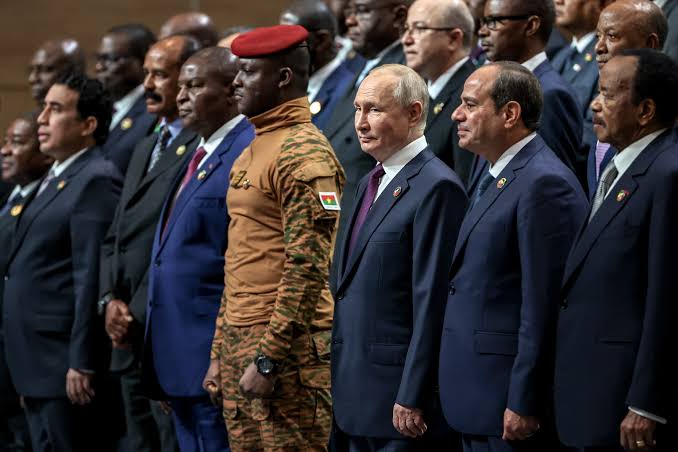
And that may be the most important lesson from the growing Russia-Africa relationship.
The question should not be: Should Africa choose Russia or the West? It should be: How can Africa work with Russia, China, Europe, America, India and others while ensuring that Africans get the factories, electricity, jobs, technology and skills?
Because partnerships are not automatically beneficial simply because they are new.
The real measure is what happens after the agreements are signed. Does Africa process its own resources? Does it manufacture? Does it generate reliable electricity? Does it create jobs? Does it develop technology? Does it build local expertise? Does it strengthen its negotiating power?
If the answer is yes, then diversification can become a powerful tool for African sovereignty.If not, Africa risks simply exchanging one form of dependence for another.
Africa does not need a new master. It needs more choices—and the economic strength to make those choices work for its people.
RELATED: