Faith Nyasuguta

Washington is once again turning its attention to the Sahel—and this time, the immediate former Nigerien president is at the centre of the dispute.
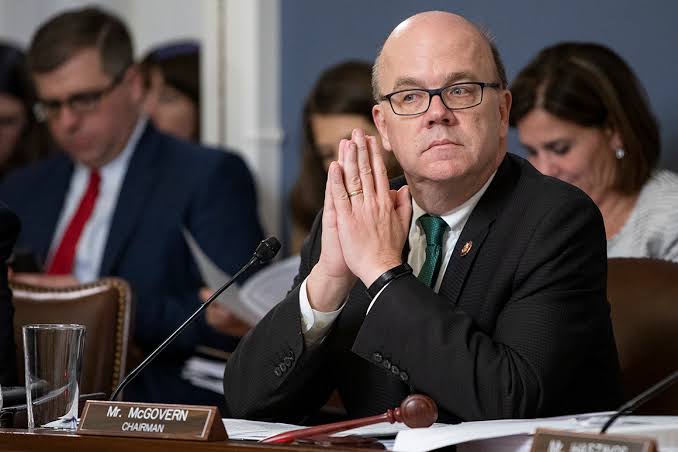
On August 12, 2026, James P. McGovern, a Democratic Party congressman from Massachusetts and co-chair of the bipartisan Tom Lantos Human Rights Commission, called on U.S. Secretary of State Marco Rubio to take tougher action against the military-led governments of Niger, Mali and Burkina Faso.

McGovern urged Washington to consider targeted sanctions against individuals accused of serious human-rights abuses and called for the release of political detainees, including Mohamed Bazoum, Niger’s democratically elected president who was overthrown in a military coup in July 2023.

That demand comes at a particularly sensitive moment.
Since Bazoum was removed, Niger has undergone one of the most dramatic foreign-policy shifts in modern West African history. French troops have been pushed out. American forces have withdrawn. Previous Western security arrangements have collapsed. And Niger has joined Burkina Faso and Mali to form the Alliance of Sahel States (AES)—a bloc built around the language of sovereignty, self-reliance and freedom from foreign influence.
But there is another layer to this story
The countries at the heart of the AES are sitting on enormous deposits of uranium, gold, lithium and other strategic resources. As their governments move to take greater control of those resources and renegotiate relationships with foreign companies, the Sahel is becoming a battleground not only over security and political ideology, but also over who controls Africa’s mineral wealth—and who gets the profits.
And that makes Bazoum’s case far more complicated than a simple argument about one president being removed from power.
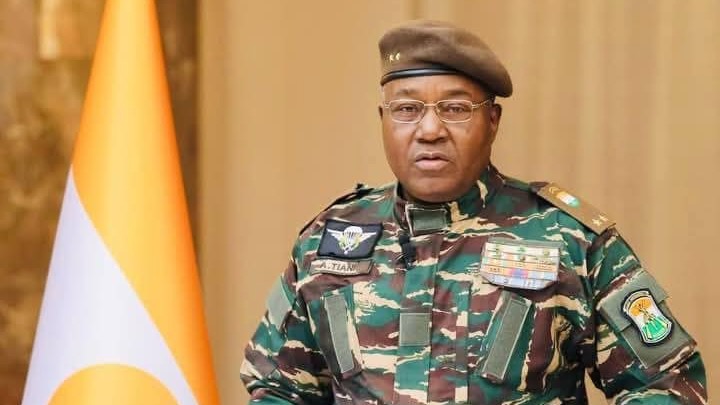
Why Bazoum Was Key To The West
Before his overthrow, Bazoum was one of Washington and Europe’s most important partners in the Sahel.
Niger had become a major base for Western counterterrorism operations as jihadist violence spread across the region. The United States had invested heavily in intelligence and surveillance infrastructure, including the large drone facility at Agadez, while France maintained a significant military presence in the country.
For Western governments, Niger offered something increasingly rare in the Sahel: a government willing to cooperate with them. Bazoum also represented political continuity at a time when military coups were sweeping across the region.
His government maintained close security relationships with France, the United States and other Western partners. Niger consequently became a crucial platform from which Western powers monitored militant networks stretching across the Sahel.
Then came July 2023. Members of Niger’s presidential guard detained Bazoum and announced that they had taken power. The coup was led by General Abdourahamane Tiani, who subsequently became head of the military government.
The consequences were enormous. The new authorities demanded the departure of French troops, eventually ending France’s military presence in Niger. Relations with Washington also deteriorated, ultimately leading to the withdrawal of U.S. forces.
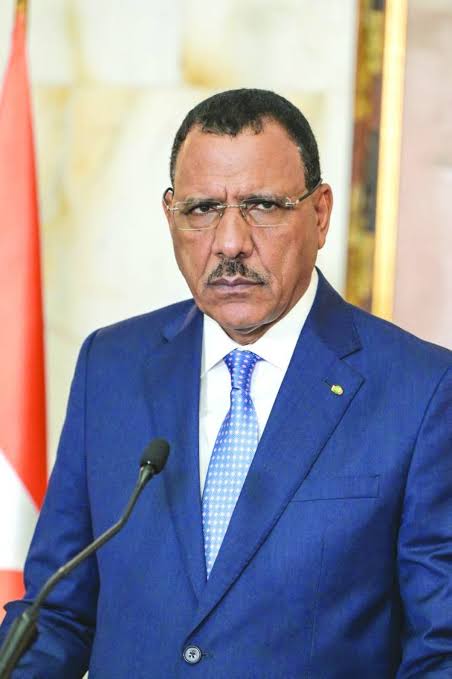
Niger then deepened its security relationship with Russia and strengthened its political ties with neighbouring Burkina Faso and Mali. The three countries eventually formalised the Alliance of Sahel States, transforming what had initially been a collection of military regimes into a political and security bloc.
For Western capitals, the strategic map had suddenly changed.
Uranium
Niger’s importance to Europe and the US was never purely military. The country is one of the world’s significant uranium producers, and its uranium industry has historically been closely linked to French interests.
For decades, French nuclear giant Orano was deeply involved in Niger’s uranium sector, including the SOMAIR operation and the enormous Imouraren deposit. After the coup, that relationship deteriorated.
Niger’s authorities moved to reclaim greater control over the country’s uranium resources, eventually revoking Orano’s operating rights at key projects. From Niamey’s perspective, the message was clear: Niger should have greater control over the resources beneath its soil.
For Western governments and companies, however, losing established access to strategic minerals creates an obvious economic and geopolitical problem. And uranium is only the beginning.
The Gold, Lithium & Mineral Battle
Burkina Faso and Mali are major gold producers, while the wider Sahel possesses deposits of lithium, manganese, oil and other minerals that are increasingly valuable to the global economy. Mali is expanding its lithium industry, while gold remains a cornerstone of Burkina Faso’s economy.
These resources matter far beyond Africa.
Gold generates foreign currency. Lithium is increasingly important to battery supply chains. Uranium remains strategically important to nuclear energy. Oil and gas determine energy security.
The countries controlling these resources therefore have something the world’s major powers desperately want: leverage. And the AES governments are increasingly asking a different question than previous administrations did.
Instead of simply asking how much foreign investment can be attracted, they are asking: How much of the value stays here?
The Old Model Vs The AES Model
For decades, critics of the Western economic relationship with Africa have argued that the continent has largely remained an exporter of raw materials. Gold leaves Africa as gold. Uranium leaves Africa as uranium. Crude has left Africa as crude.
The higher-value processing, manufacturing and financial benefits often occur elsewhere. The AES governments are attempting to challenge that model.
Burkina Faso, Mali and Niger have been revising mining policies, increasing state participation, reviewing foreign concessions and pushing for greater domestic control of extractive industries. Their argument is fundamentally about economic sovereignty.
If African countries possess the resources, they argue, African governments should have greater control over how those resources are extracted, sold and processed—and how the resulting revenue is spent.
That approach has obvious appeal among populations that have watched enormous mineral wealth coexist with widespread poverty. But there is another side.
The AES governments are military-led administrations that came to power through coups. Their security forces have faced allegations of abuses, while jihadist groups continue to operate across large parts of the region.
So the question is not simply whether Western governments have legitimate concerns. They could. The bigger question is whether human rights and geopolitical interests are operating separately—or whether they are increasingly colliding.
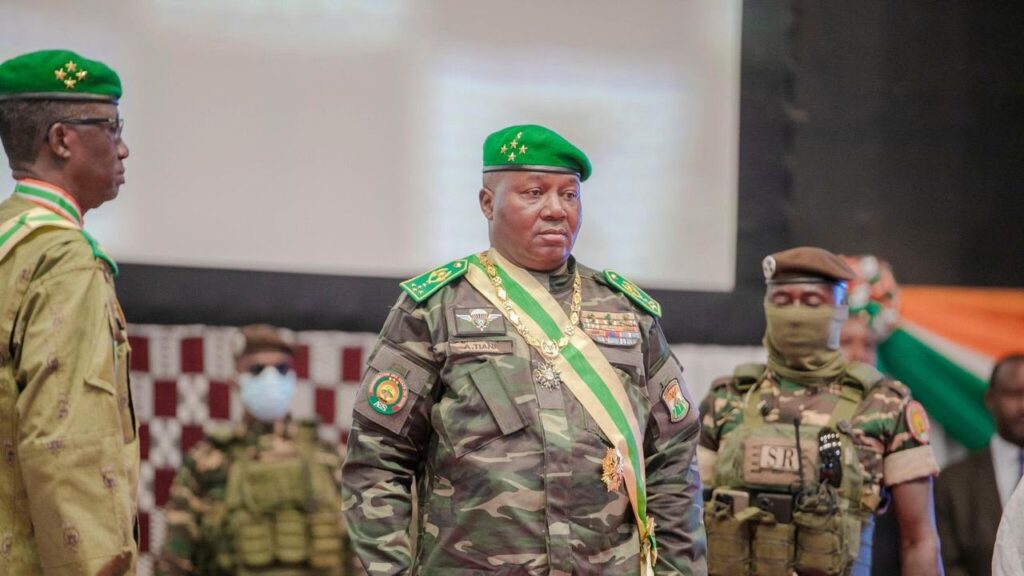
Why Washington Wants Pressure
McGovern’s argument focuses primarily on human rights. His August 12 letter called for targeted sanctions against officials accused of abuses and questioned Washington’s approach to the military governments of the AES. He also urged the United States to press for Bazoum’s release.
For Washington, Bazoum represents an elected government that was removed through a military takeover. But strategically, his return would also represent something else: the possibility of restoring a relationship that gave the West considerable influence in Niger.
Before the coup, Niger was a major Western security partner. After the coup, it became one of the countries most determined to remove Western military influence. That transformation did not happen in isolation.
France has lost military bases across much of the Sahel. The United States has been forced to reconsider its regional posture. Meanwhile, Russia has expanded its security relationships and other powers, including Turkey and China, are seeking deeper economic and strategic engagement across Africa.
The contest is no longer simply France versus Russia. It is becoming a much broader struggle for influence, markets, military access and resources.
Ordinary Sahelians
This is perhaps the most important part of the debate. Western governments speak about democracy, security and human rights. AES governments speak about sovereignty and liberation from foreign influence.
But ordinary people in Niger, Mali and Burkina Faso ultimately want something more basic. They want security. They want jobs. They want functioning schools and hospitals. They want roads, electricity and food security.
And if their countries are sitting on billions of dollars worth of natural resources, they want to know why that wealth has not translated into better lives. That is where the resource question becomes impossible to ignore.
A country can be rich in uranium and still have poor communities. A country can produce billions of dollars in gold and still struggle to provide basic services. The real test for the AES will therefore not be whether it can expel France or resist Washington. It will be whether it can turn resource sovereignty into prosperity.
Bazoum Is Central To A Bigger Fight
Bazoum’s detention has therefore become a symbol of two competing visions of the Sahel. To Washington and its allies, he represents an elected leader whose government was illegally overthrown and whose release is part of the broader defence of democratic governance.
To the AES governments and their supporters, the struggle is connected to a much deeper rejection of the political and economic order that existed before the coups. Neither interpretation tells the whole story.
The West could have security and human-rights concerns. But Western governments and corporations also have clear strategic interests in a region packed with uranium, gold, lithium, oil and other resources. But the Sahel is changing hands—not literally, but strategically.
The old security partnerships are collapsing. New alliances are emerging. Foreign mining concessions are being challenged. African states are demanding a bigger share of their own resources. And Washington is now asking whether pressure can reverse some of that transformation.
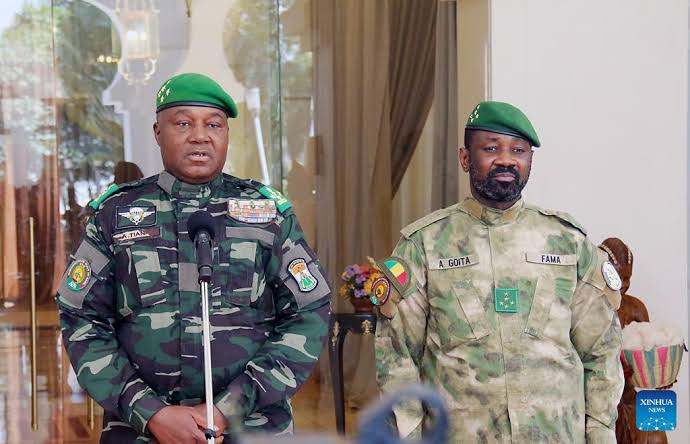
At the centre of that confrontation sits Mohamed Bazoum—the former Nigerien president whose removal helped trigger one of the biggest geopolitical realignments Africa has seen in decades.
But the bigger question is no longer simply whether Bazoum should be released. It is this: Who gets to decide what Africa’s resources are worth—and who gets to keep the wealth they generate?
RELATED: