Faith Nyasuguta

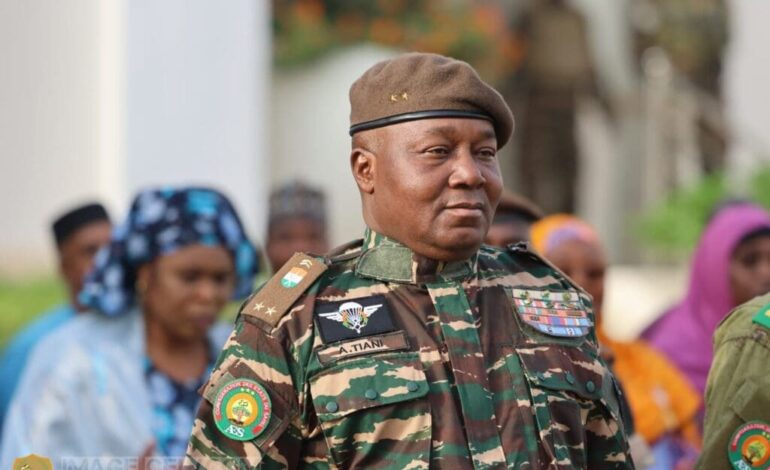
Niger’s military-led government has signed major new oil agreements with Chinese energy firms worth an estimated $1 billion, deepening the Alliance of Sahel States’ (AES) growing push to tighten control over strategic natural resources and reduce foreign dominance in key sectors.
The agreements, signed in Niamey under the supervision of Prime Minister Ali Mahaman Lamine Zeine, are expected to significantly expand Niger’s petroleum industry while strengthening the country’s leverage over its oil infrastructure and export systems.

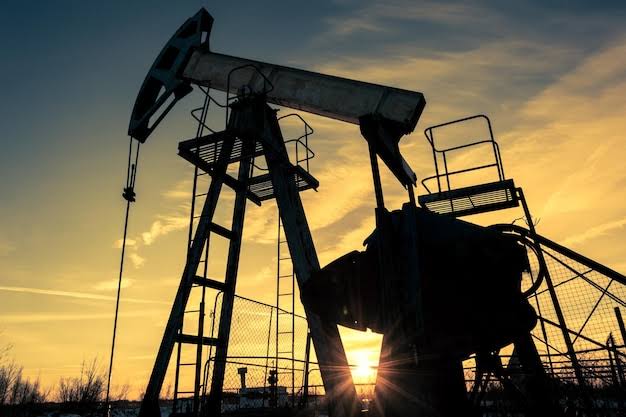
At the center of the deal are the relaunch of the Dinga Deep and Abolo-Yogou oil projects, two major developments expected to boost Niger’s crude production from roughly 110,000 barrels per day to 145,000 barrels per day by 2029.


Officials say the projects form part of a broader economic sovereignty agenda being pursued by the military governments of Niger, Mali, and Burkina Faso under the AES alliance, which has increasingly positioned itself against what it describes as exploitative foreign influence in the Sahel.
Foreign Minister Bakary Yaou Sangare said the new agreements would also reduce the cost of transporting crude through the Niger-Benin export pipeline from $27 to $15 per barrel — a move projected to save Niger more than $106 million annually.
One of the most strategic elements of the deal is Niger securing a 45% stake in the West African Oil Pipeline Company, a subsidiary linked to China National Petroleum Corporation (CNPC), which operates the key export pipeline connecting Niger to neighboring Benin.

The agreements come after months of tensions between Niger’s junta and Chinese oil operators over labor practices, expatriate dominance, and regulatory disputes.
Since taking power in a 2023 coup, Niger’s military authorities have steadily moved to renegotiate foreign involvement in sectors such as oil, uranium, and mining. The government has framed the strategy as part of a wider effort to reclaim economic control and ensure African resources benefit local populations more directly.
Last year, Niger’s Oil Ministry ordered Chinese operators, including CNPC and refinery company SORAZ, to end contracts for expatriate workers who had remained in the country for more than four years. Authorities also expelled several senior Chinese executives following disputes over wage inequality and employment conditions between foreign and local workers.
Under the latest agreements, Chinese firms have now committed to creating around 450 jobs for Nigeriens by 2030, increasing subcontracting opportunities for local businesses, and reducing salary disparities between expatriate and domestic employees.
The deals also reflect China’s continuing strategic expansion across the Sahel at a time when Western influence in the region is weakening following military takeovers and deteriorating relations between several Sahel governments and former colonial power France.
For the AES bloc, the agreements are about more than energy. They represent a larger political message emerging across parts of Africa: a growing determination by resource-rich states to renegotiate how foreign powers access African minerals, oil, and infrastructure.
Whether these new partnerships will ultimately deliver broader prosperity for ordinary citizens remains uncertain. But across the Sahel, the era of foreign companies operating with limited state resistance appears to be rapidly changing.
RELATED: