Wayne Lumbasi
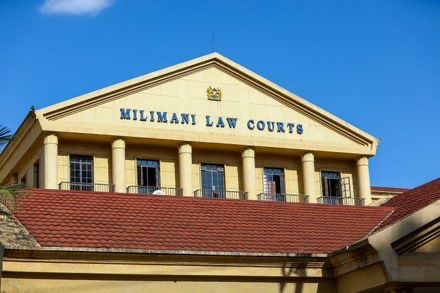
The High Court in Nairobi has issued temporary conservatory orders blocking a controversial plan by the United States government to establish a specialized Ebola quarantine and biocontainment facility on Kenyan soil.
The emergency ruling suspends all movement, agreements, or operations related to the project until full petitions from local civil society groups can be heard next Tuesday.

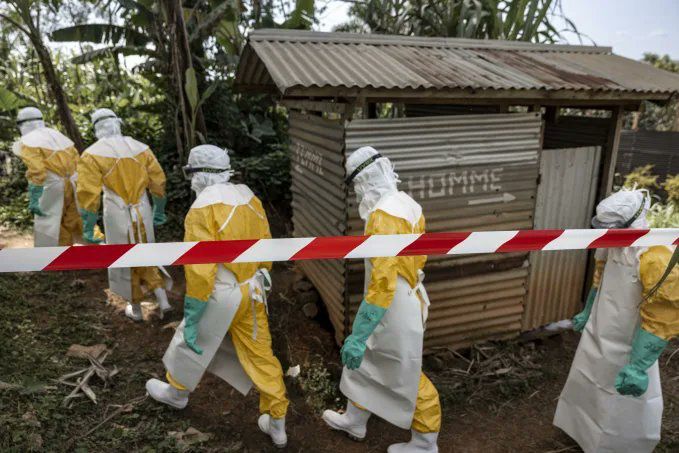
The legal freeze comes less than 48 hours after Trump administration officials confirmed plans to build a 50-bed quarantine station in Kenya, equipped with 12 isolation beds and four biocontainment units. The site was designed to house, isolate, and treat American citizens including aid workers, diplomats, and missionaries exposed to a rapidly escalating Ebola outbreak in East and Central Africa.
U.S. officials cited severe logistical hurdles in evacuating infected individuals directly to North America and the risk of health deterioration during transatlantic flights. However, comments made by U.S. Secretary of State Marco Rubio during a Wednesday cabinet meeting sparked intense fury in Nairobi. Rubio stated that the administration “cannot and will not allow any cases of Ebola to enter the United States,” leading critics to accuse Washington of treating Kenya as a public health buffer zone.
The legal challenge was spearheaded by the Katiba Institute, a prominent constitutional rights group, and the Law Society of Kenya (LSK), who filed separate urgent petitions. The groups argued that the bilateral deal was negotiated in complete secrecy without mandatory public participation, violating the Kenyan constitution. Furthermore, the LSK warned that Kenya lacks the hyper-specialized high-containment infrastructure necessary to safely handle a highly infectious pathogen without exposing the local public to catastrophic health risks.
The backlash extended deeply into Kenya’s medical community. The Kenya Medical Practitioners, Pharmacists and Dentists Union (KMPDU) issued a definitive 48-hour strike notice on Thursday, threatening a total healthcare shutdown if the government moved forward with the deal. KMPDU Chairperson Davji Atellah expressed disgust at the state’s apparent willingness to “trade national biosecurity and the lives of citizens for foreign aid,” adding that Kenya should not become an American “dumping ground.”

Fears are further compounded by the specific nature of the current outbreak in the region. Originating in northeastern Democratic Republic of Congo (DRC) on May 15 before spreading into neighboring Uganda, the crisis involves the rare Bundibugyo ebolavirus strain. Unlike more common strains, the Bundibugyo virus currently has no approved vaccine or effective antiviral treatment. The World Health Organization (WHO) and Congo’s health ministry have already registered over 1,000 suspected cases and 220 deaths, warning that the true scale of the outbreak is likely much larger due to weeks of undetected spread.
While Washington had pledged $13.5 million to assist Kenya with broader regional Ebola preparedness efforts, the Africa Centres for Disease Control and Prevention (Africa CDC) threw its weight behind the local concerns. Africa CDC Director-General Jean Kaseya warned that forcing Kenya to assume international quarantine duties for foreign nationals would severely stretch national healthcare capacities.
Kenya’s Ministry of Health has consistently verified that it is conducting aggressive screening at border entry points and has not recorded a single case of Ebola within its territory. Following the High Court’s intervention, the government will now be forced to answer directly to the judiciary regarding the secrecy and safety of the aborted U.S. deal.
RELATED: