Wayne Lumbasi
A major opposition coalition in the Democratic Republic of Congo has taken to the streets to protest proposed constitutional changes that it says could open the way for President Félix Tshisekedi to seek a third term in office.
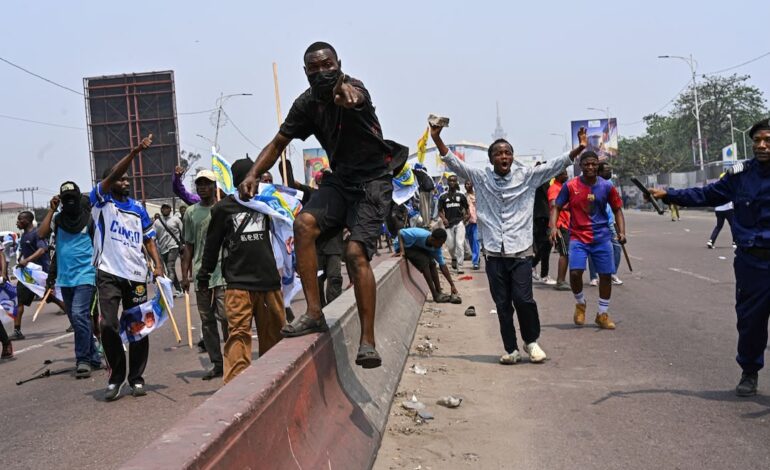
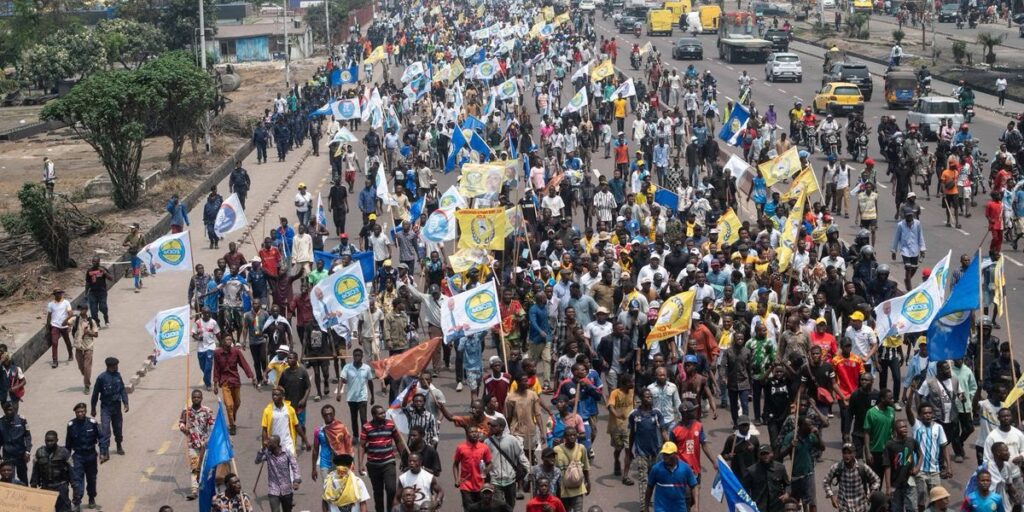
The C64 coalition, an alliance of opposition parties formed in May, called for nationwide demonstrations on September 15, with protests reported in Kinshasa and other cities including Lubumbashi and Kindu. The mobilisation came as Parliament resumed its activities and amid an increasingly contentious debate over the country’s constitutional framework.

In Kinshasa, hundreds of protesters initially gathered peacefully before clashes broke out between opposition demonstrators and pro-government supporters. Police subsequently fired tear gas and warning shots to disperse the crowd. Local reports also indicated that protests went ahead in some areas despite restrictions on public gatherings linked to the Ebola outbreak.

The C64 coalition brings together several prominent opposition figures, including Martin Fayulu, Moïse Katumbi, Jean-Marc Kabund, Augustin Matata Ponyo and DellySesanga. The group has rejected efforts to alter the constitutional order and argues that existing provisions protecting presidential term limits must remain intact.
The dispute centres on the DRC’s presidential term limits. Under the current Constitution, a president can serve a maximum of two five-year terms. Tshisekedi took office in 2019 and was re-elected in 2023, putting him in his second term, which is due to end in 2028.
Tshisekedi has indicated that he would be willing to seek another term if constitutional changes are approved through a referendum. His opponents argue that the proposed process could ultimately weaken the existing restrictions on presidential tenure. A bill adopted by Parliament in June provides a framework for constitutional changes to be submitted to voters, while a proposal under consideration in the National Assembly could create circumstances under which changes to presidential provisions become possible.
The C64 has repeatedly rejected the constitutional initiative. In its August mobilisation statement, the coalition argued that sending the referendum legislation back to Parliament for further consideration did not amount to abandoning the broader constitutional-change project. It called on Congolese citizens to oppose any legal or political route that could permit a third Tshisekedi term.
The government, however, has defended the right to peaceful demonstrations while insisting that protests must comply with the law. Government spokesperson Patrick Muyaya criticised the opposition over the mobilisation and said the constitutional right to protest must be exercised properly. He also disputed claims surrounding disruption of schools and other public activities.
The September protests are the latest confrontation between the opposition and authorities over the constitutional debate. A previous C64 demonstration in Kinshasa in June was also dispersed by security forces, with several people, including Fayulu, reported injured.
The political dispute is unfolding as the DRC faces several other major challenges. The country is dealing with an Ebola outbreak while fighting involving the M23 and other armed groups continues in the east. Tshisekedi has also proposed a national dialogue involving opposition parties, civil society and religious leaders, although the proposed talks have faced criticism from parts of the opposition.
For the C64, the constitutional question has become a central test of the country’s political system. For Tshisekedi’s administration, the proposed reforms are part of a broader constitutional process whose final outcome remains subject to the country’s political and legal institutions.
The protests therefore mark another significant confrontation over whether the DRC’s existing presidential term limits will remain unchanged or whether the country will eventually approve constitutional reforms that could alter the rules governing presidential tenure.
RELATED: