Faith Nyasuguta

Ethiopia is powering ahead with another extraordinary infrastructure achievement!After bringing the Grand Ethiopian Renaissance Dam (GERD) into operation, the East African nation is advancing construction of another enormous hydropower facility, reinforcing its determination to become a continental powerhouse in renewable electricity generation.
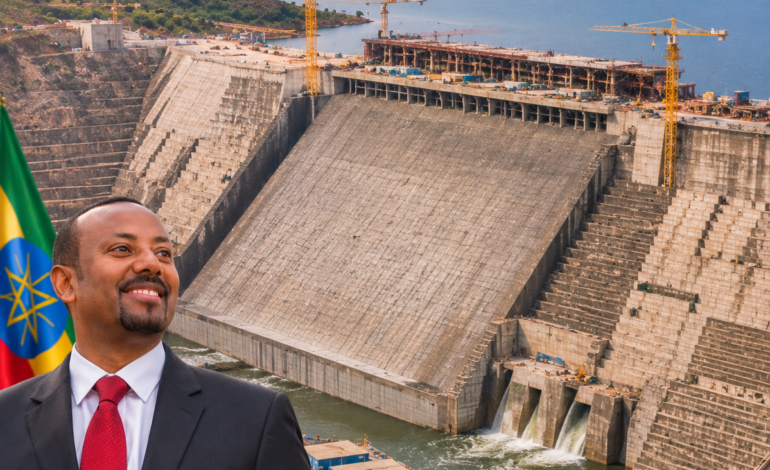
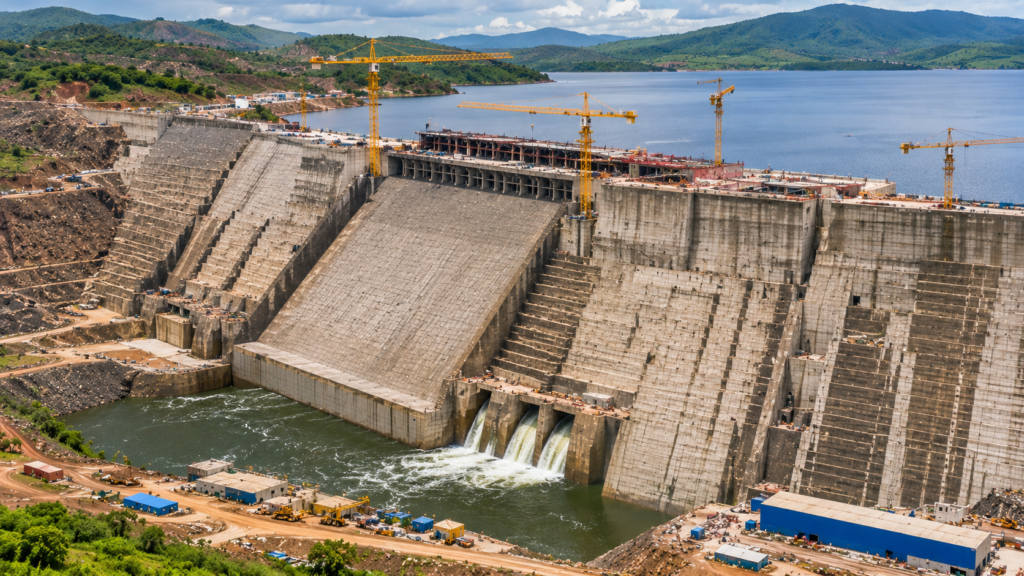
The Koysha Hydroelectric Project, rising along the Omo River in southwestern Ethiopia, has surpassed 77% overall construction completion, according to Ethiopian Electric Power’s August 2026 progress report.

The milestone represents another significant step in Ethiopia’s ambitious strategy to transform its rivers into engines of industrialisation, economic growth and regional electricity trade.

Another African Energy Giant Takes Shape

Koysha is being constructed by Italian infrastructure company Webuild, which also participated in developing Ethiopia’s GERD and Gibe III hydropower projects. The massive facility is designed to generate approximately 2,200 megawatts of electricity, with projected annual production reaching 6,460 gigawatt-hours.
Its 201-metre-high dam is among the country’s most ambitious engineering undertakings. According to Ethiopian Electric Power, approximately 81.2% of the project’s required roller-compacted concrete had already been placed by August 2026. Excavation and initial concrete works were completed, while manufacturing of electromechanical equipment continued.

The first turbine is expected to undergo operational testing around October or November 2028, with full project completion targeted for May or June 2029. Once operational, Koysha will become another major contributor to Ethiopia’s expanding electricity network.
Ethiopia Turns Electricity Into Economic Power
Ethiopia’s clean energy ambitions extend far beyond supplying electricity to its own population. The country is already exporting power to neighbouring nations, including Kenya and Djibouti, strengthening regional energy integration.
Additional generating capacity from Koysha could increase Ethiopia’s ability to meet domestic demand while expanding electricity exports. For neighbouring countries, access to renewable electricity could support manufacturing, economic development and greater energy security.
For Ethiopia, electricity exports provide an opportunity to earn foreign exchange and strengthen economic cooperation across East Africa. This transformation is already taking shape.
During Ethiopia’s latest reported fiscal year, GERD generated approximately 18.3 terawatt-hours of electricity, accounting for around 52% of national production. Overall electricity generation increased by approximately 21%, highlighting the growing contribution of major hydropower infrastructure.
From the Omo River to the Global Climate Stage
Ethiopia’s expanding renewable energy portfolio comes as the country prepares for another historic milestone. In November 2027, Addis Ababa will host COP32, the United Nations climate change conference.
The gathering will bring international attention to Ethiopia and provide an important platform for African countries to advocate for climate finance, sustainable development and investment in clean energy. The country’s hydropower achievements complement its broader environmental initiatives, including the Green Legacy reforestation programme.
Ethiopia’s electricity system is already overwhelmingly powered by renewable sources, particularly hydropower, while its per-capita carbon emissions remain substantially below the global average.
Hosting COP32 will allow Ethiopia to demonstrate how African countries can pursue economic development while expanding renewable energy infrastructure.
A Bold Vision for Africa’s Energy Future
Koysha’s progress is particularly significant given the financial challenges that previously slowed construction. Ethiopian Electric Power has acknowledged that approximately €500 million in additional financing is required to complete the project, with plans involving commercial borrowing and internal resources.
Despite these challenges, construction continues, reflecting Ethiopia’s commitment to expanding its energy infrastructure. Environmental protection, river ecosystems and the interests of communities along the Omo River will remain important considerations as development advances.
But the country’s broader ambition is unmistakable. With GERD generating electricity, Koysha progressing towards completion and COP32 approaching, Ethiopia is positioning itself as a major force in Africa’s energy transformation.
From powering Ethiopian industries to supplying neighbouring economies, the nation is pursuing a future in which African renewable energy drives African prosperity.
RELATED: