
Wayne Lumbasi

South Africa’s historic wine industry is facing renewed scrutiny over its legacy of slavery, as descendants of enslaved people seek recognition, secure housing and greater economic participation in vineyards their ancestors helped build.
The Western Cape’s wine estates are celebrated for their historic architecture, scenic vineyards and internationally recognised wines. Yet the industry’s origins are also tied to generations of forced labour, raising difficult questions about land ownership, economic inequality and the treatment of communities whose history is closely linked to the farms.

Slavery took root at the Cape after the Dutch East India Company established a settlement in 1652. Enslaved people were brought from different parts of Africa and Asia to work on farms and in households, becoming an essential part of the colonial economy.

By the 19th century, 21 prominent wine industry families collectively owned 3,557 enslaved people, according to historical research. Research on labour conditions in the 1820s indicates that enslaved people accounted for approximately 80% of coerced workers in the wine industry, with the remainder including dispossessed Indigenous people.
Although slavery was abolished at the Cape in 1834, the end of the system did not bring an equal distribution of land or wealth. Subsequent colonial policies and apartheid further entrenched racial inequalities, leaving questions about ownership and economic opportunity unresolved across generations.
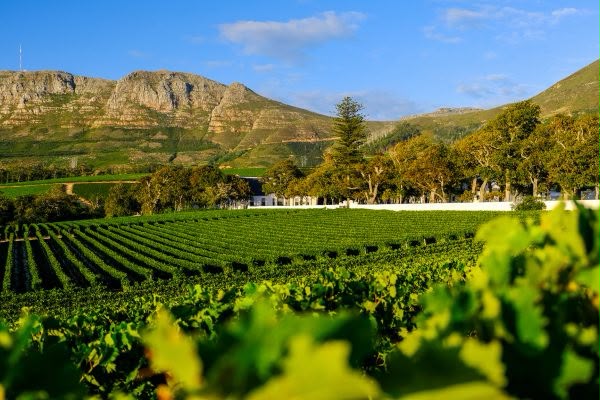
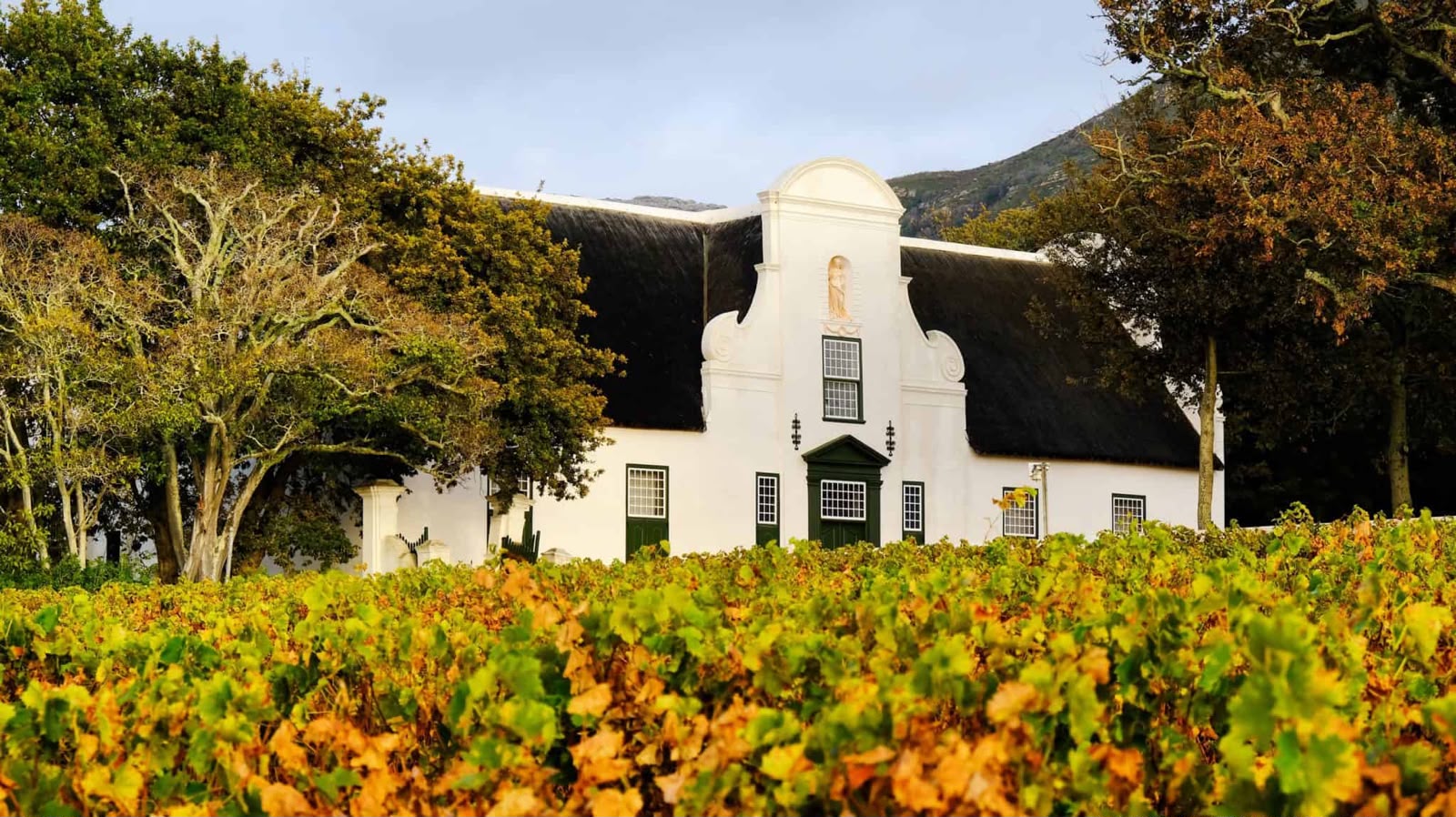
One estate confronting this history is Groot Constantia, established in 1685 and widely recognised as South Africa’s oldest wine farm. The estate houses a museum managed by Iziko Museums of South Africa, where exhibits document the lives of enslaved people who worked on the property.
Around 30 enslaved people lived at Groot Constantia at any given time during much of its early history. Memorial plaques identify people forcibly brought from Mozambique, Madagascar, India, Sri Lanka and Indonesia, recognising their contribution to the estate’s development and the oppression they experienced.
Groot Constantia chief executive Jean Naudé has acknowledged that the estate was built on an unjust foundation, arguing that its history must be recognised while the institution works towards a more responsible future.
However, the estate’s efforts to preserve this history have coincided with concerns about the present circumstances of families connected to the property. The Trust for Community Outreach and Education and the Commercial, Stevedoring, Agricultural and Allied Workers Union reported that at least 10 families, mostly former workers, had been evicted from the estate since July 2026.
The organisations argue that the evictions highlight the continuing insecurity faced by people whose families have longstanding connections to wine farms. Naudé said the evictions were carried out under court orders and maintained that the estate complied with the law.
The debate extends beyond Groot Constantia. At Solms-Delta, a historic wine farm in Franschhoek, efforts were made to give workers a greater stake in the business while documenting the community’s history and cultural traditions.
Owner Mark Solms, who acquired the estate in 2001, introduced initiatives intended to improve workers’ wages and housing. In 2005, workers established a trust and secured a loan to purchase a neighbouring farm. The estate also supported archaeological excavations, established a museum and helped revive local musical traditions.
Nico Jansen, whose family has lived on Solms-Delta for three generations and who identifies as Indigenous Khoikhoi, became the estate manager in 2001. He initially doubted promises to improve working conditions, reflecting the mistrust that can arise from longstanding inequalities between farm owners and workers.
The ownership initiative later encountered financial difficulties. In 2016, the government intervened in the business, and the estate subsequently entered business rescue. The Department of Rural Development and Land Reform attributed its difficulties to accumulated debt and poor management, while Solms disputed aspects of the government’s handling of the arrangement.
Solms-Delta is currently not operating. Technology executive Tommy Hall has pledged to purchase the government’s shares on behalf of the workers and invest in the business. Negotiations over the proposed arrangement remain ongoing, with hopes of reopening the farm and resuming wine sales.
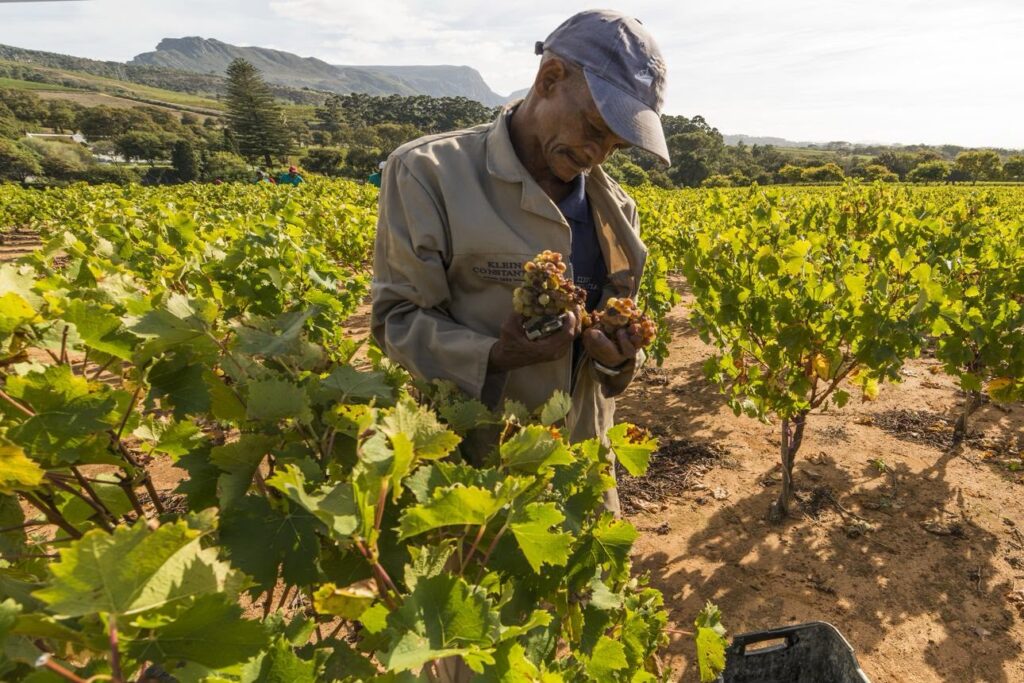
The experiences of the two estates illustrate the challenges of addressing historical injustice in an industry where land and wealth have accumulated over centuries. While museums and memorials help restore visibility to people whose contributions were long overlooked, recognition alone cannot resolve disputes over housing, land access and economic participation.
For descendants of enslaved people and Indigenous communities, the issue is not simply whether historic wine farms acknowledge their past. It is also whether people whose ancestors cultivated the vineyards can enjoy greater security, opportunity and a meaningful share in the industry’s prosperity.
As South Africa’s wine country confronts its history, the struggle for recognition is increasingly connected to demands for tangible change. The challenge is to ensure that the people whose labour helped build the industry are not remembered only through historical exhibits, but are also considered in decisions about land, livelihoods and the future of the communities that remain connected to the vineyards.
RELATED: